












Challenges in collecting lithium-ion batteries
Text Valérie CouplezImage Bebat
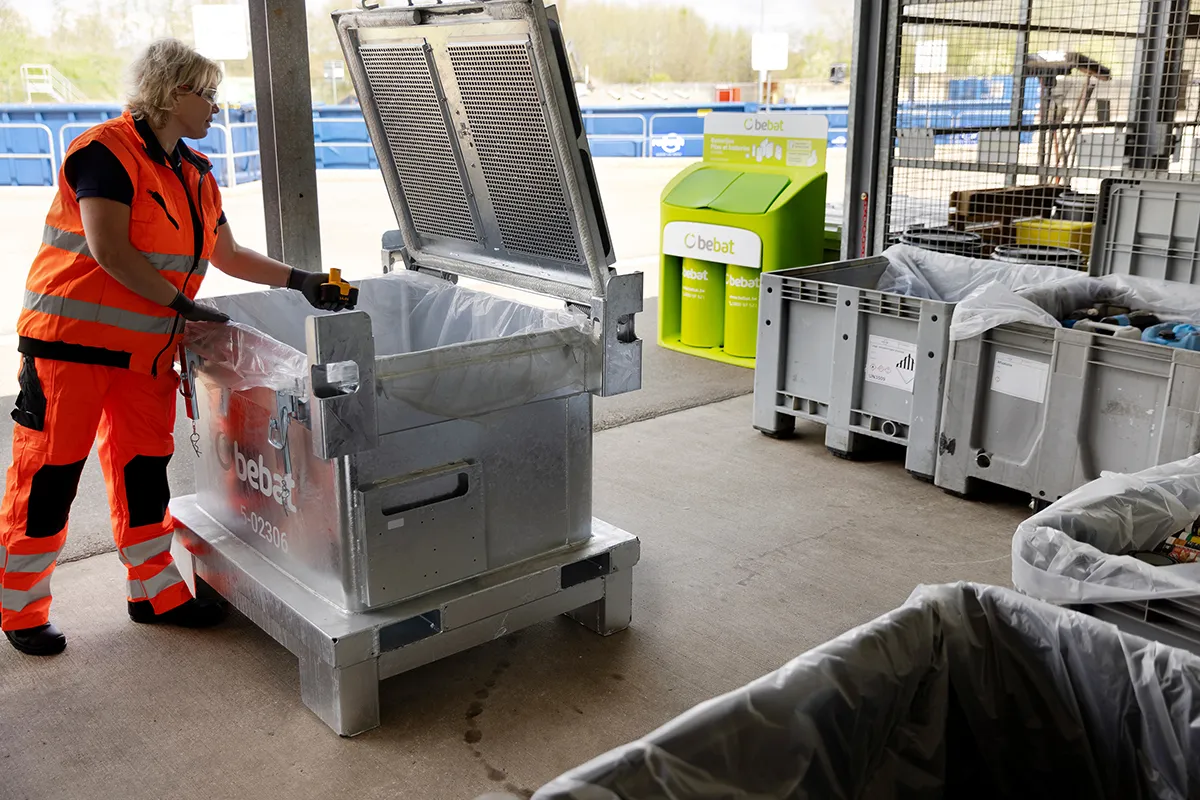
The ongoing electrification of society means that ever more lithium-ion batteries are coming onto the market. A new European Battery Regulation has therefore been in force since 18 February 2024. It includes guidelines for manufacturers to enable better recycling, but also sets new collection targets for EU Member States. And they are no walk in the park. Belgium will have to collect almost seven times more lithium-ion batteries than it does today. However, Bebat is determined to remain Europe’s recycling champion. Through new initiatives involving all stakeholders in the chain, it aims to collect more batteries, more safely. Lithium-ion batteries deserve extra attention in this respect, too.
The figures prove it: Belgium can count itself among Europe’s best-performing countries when it comes to collecting used batteries. With a total of 3,907 tonnes in 2023, it achieved a collection rate of 60.3%, well above the 45% target. Lithium-ion batteries account for an ever larger share of the total. “In 2014, lithium-ion batteries, excluding electric vehicles, accounted for just 25% of the total weight of batteries placed on the market, compared with 64% for single-use alkaline batteries. The trend has been reversed since 2020. By 2022, lithium-ion batteries already accounted for as much as 68% of the total weight of batteries placed on the market,” says Fatima Boudjaoui, communications manager at Bebat.
Overly ambitious targets
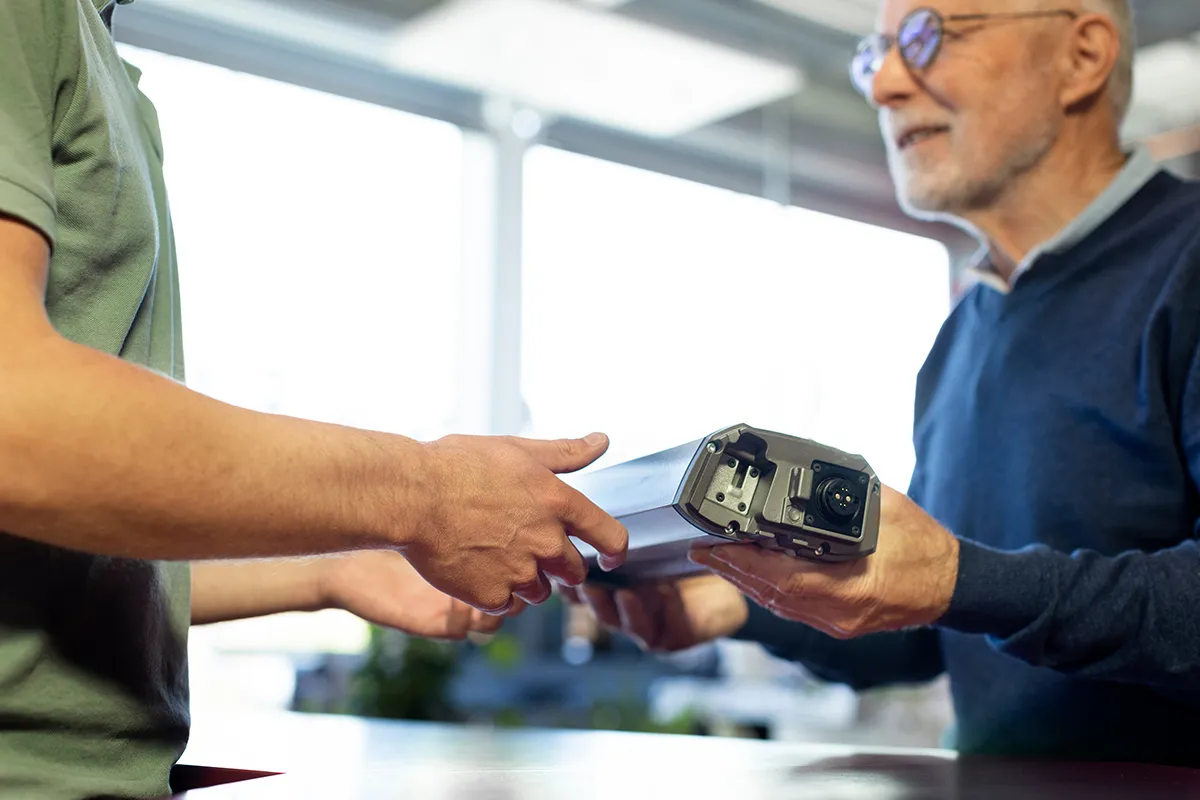
This trend will continue in the coming years. With its new Battery Regulation, which came into force earlier this year, Europe aims to anticipate this. Batteries are now divided into five categories. The biggest challenge lies with LMT batteries, which are used in light means of transport such as electric bicycles and e-scooters. “The targets set for 2027 and 2028 are not achievable in practice. We know that 80% of lithium-ion batteries are currently built in such a way that they cannot simply be dismantled. This is true not only for consumers, but also for professional dismantlers. The same regulation does introduce new rules requiring manufacturers to make their batteries removable, but these will only apply to batteries placed on the market from February 2027 onwards.”
Lithium-ion batteries last longer
A second issue Bebat wants to raise at European level is the methodology used to calculate the targets. Boudjaoui says: “It assumes a three-year lifespan for lithium-ion batteries. But in practice, you ride an electric bicycle for much longer than that. Combined with the accelerated electrification of society, this makes it impossible for us to meet the targets. We also need to take into account batteries that slip through the net, for example through exports or reuse without proper registration and therefore traceability.” Even so, Bebat welcomes the new regulations. “They include many provisions that will make recycling and reuse easier and safer in the future.”
Continuing to improve safety
In the recycling sector, lithium-ion batteries immediately bring to mind the fire risk they can pose if they are not sorted correctly. In mid-November, Bebat therefore launched a new awareness campaign with various stakeholders from across the chain. Comet Group, Denuo, Galloo and Recupel were among those involved. “Sorting correctly at source, both at home and at work, is the foundation of everything. Because of their properties, lithium-ion batteries are more sensitive than other batteries. If, for example, they end up in a shredder, this can have serious consequences for every operator working nearby. Every link in the chain must be aware of the risks and take the right action. By sharing best practices, we want to help improve safety throughout the entire chain,” Boudjaoui concludes.
Four tips for the recycling sector on handling lithium-ion batteries safely
• If you spot a lithium-ion battery, remove it from the stream before transport;
• Raise awareness of good practices among your employees and suppliers;
• Invest in technology that enables you to respond quickly in the event of an incident;
• Arrange for used lithium-ion batteries to be collected by approved partners, so they can be processed correctly and safely.
Een zakelijke vraag aan Bebat vzw? Get in touch
Companies in this story

Keep following this
Get an email when a new story is published. No account needed.
- ThemeCircular processing of electronics and batteries
- SubjectNews
- CompanyBebat vzw
- CompanyRecupel







