












“Anything you can make from existing raw materials is always a positive”
Text Ferdi den BakkerImage Roba Metals
Ten or twenty years ago, recycled content was looked down on. Today, it sometimes carries an A+ quality label. Danny Peele, business development manager at Roba Metals, believes this is absolutely justified. “Anything you can make from used raw materials is positive by definition.” The company, headquartered in IJsselstein, is seeing demand for recycled content rise.
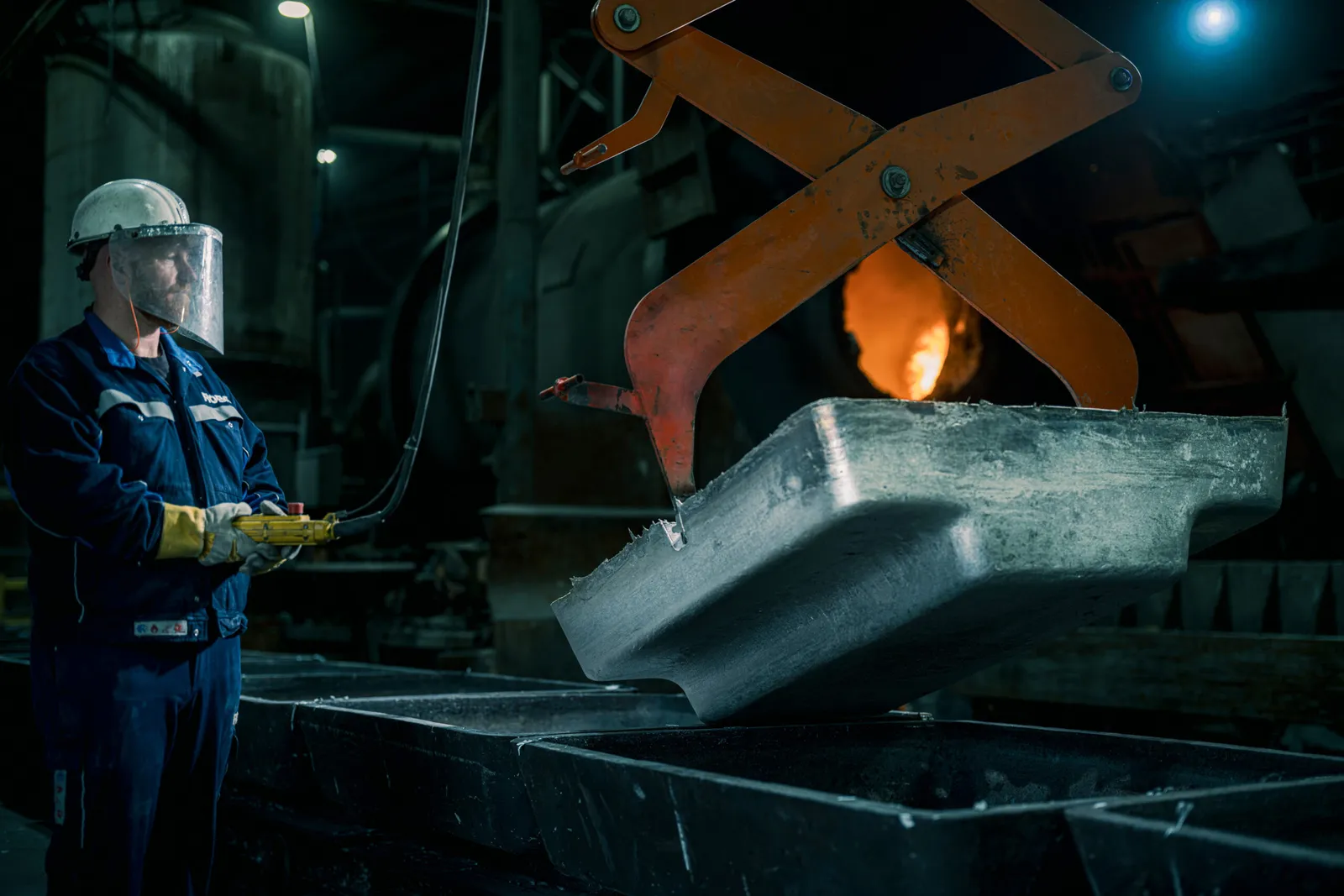
The family-owned Roba Metals is a somewhat unconventional company. It began with recycling as its core business and now also operates four smelters, while other smelters are struggling. Peele believes the smelters are very much in tune with the times. “We mainly recycle aluminium. This takes far less energy than producing aluminium from raw materials. The CO2 savings can easily reach 95%. This makes the economics of recycling secondary raw materials add up quickly, much more quickly than, for example, recycling plastic.”
Own smelters
Founded in Amsterdam in 1937 by Robert Baruch, the company initially bought materials from private individuals and resold them to larger traders, who in turn supplied smelters. Roba grew and later began selling products directly to smelters. It then decided to establish its own smelter. The four production sites process the company’s own materials, which leave the facilities as finished products or semi-finished products.
Recycled material returned to producers
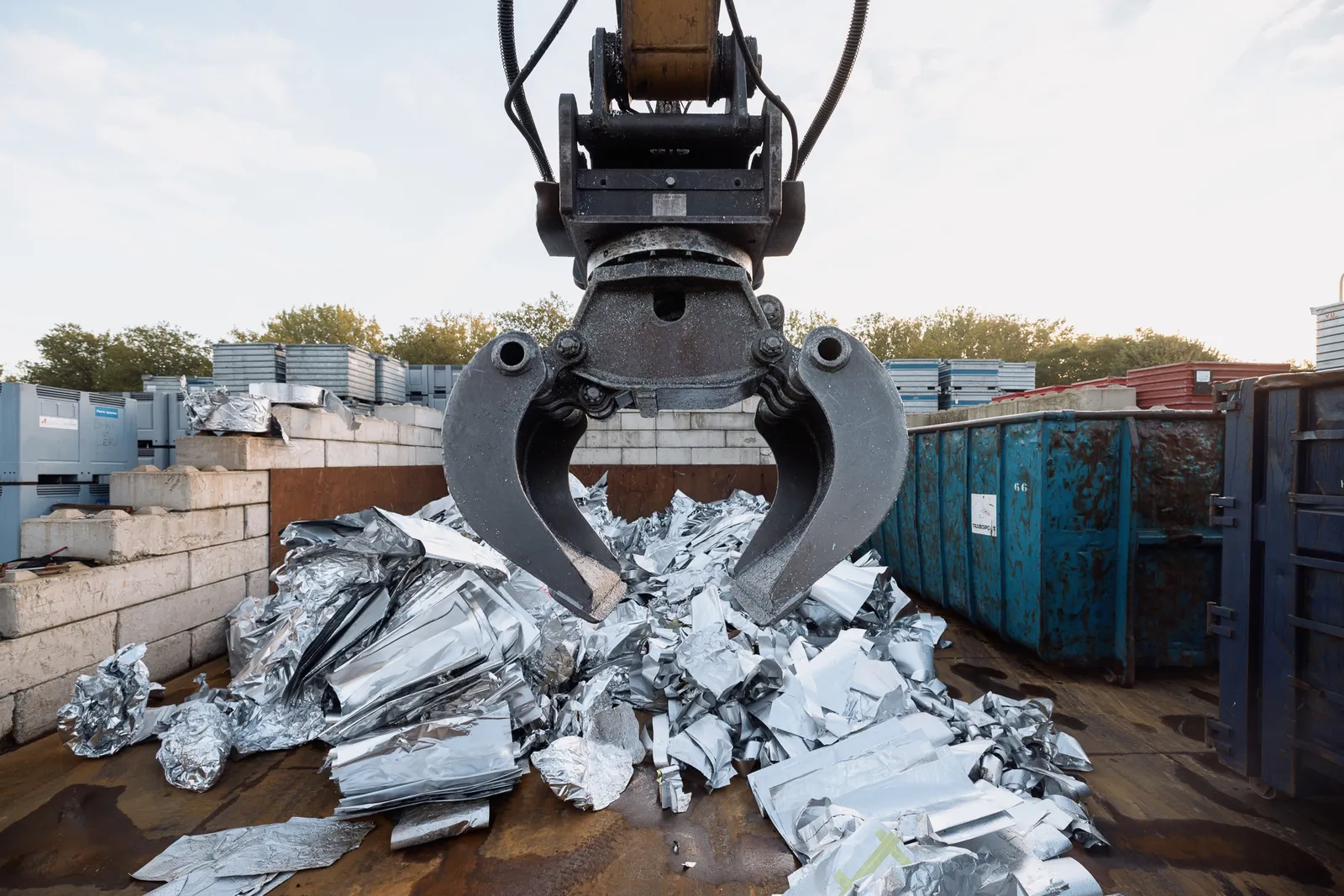
At its fourth smelter, which opened in 2009, Roba also processes aluminium products contaminated with materials such as lacquer or plastic. “We are a major processor of aluminium packaging foil and items such as the lids on drinks cups, often a combination of aluminium and printed plastic. After recycling the aluminium, we send it back to the foil manufacturers. In this way, aluminium waste re-enters the packaging chain.”
A change in philosophy
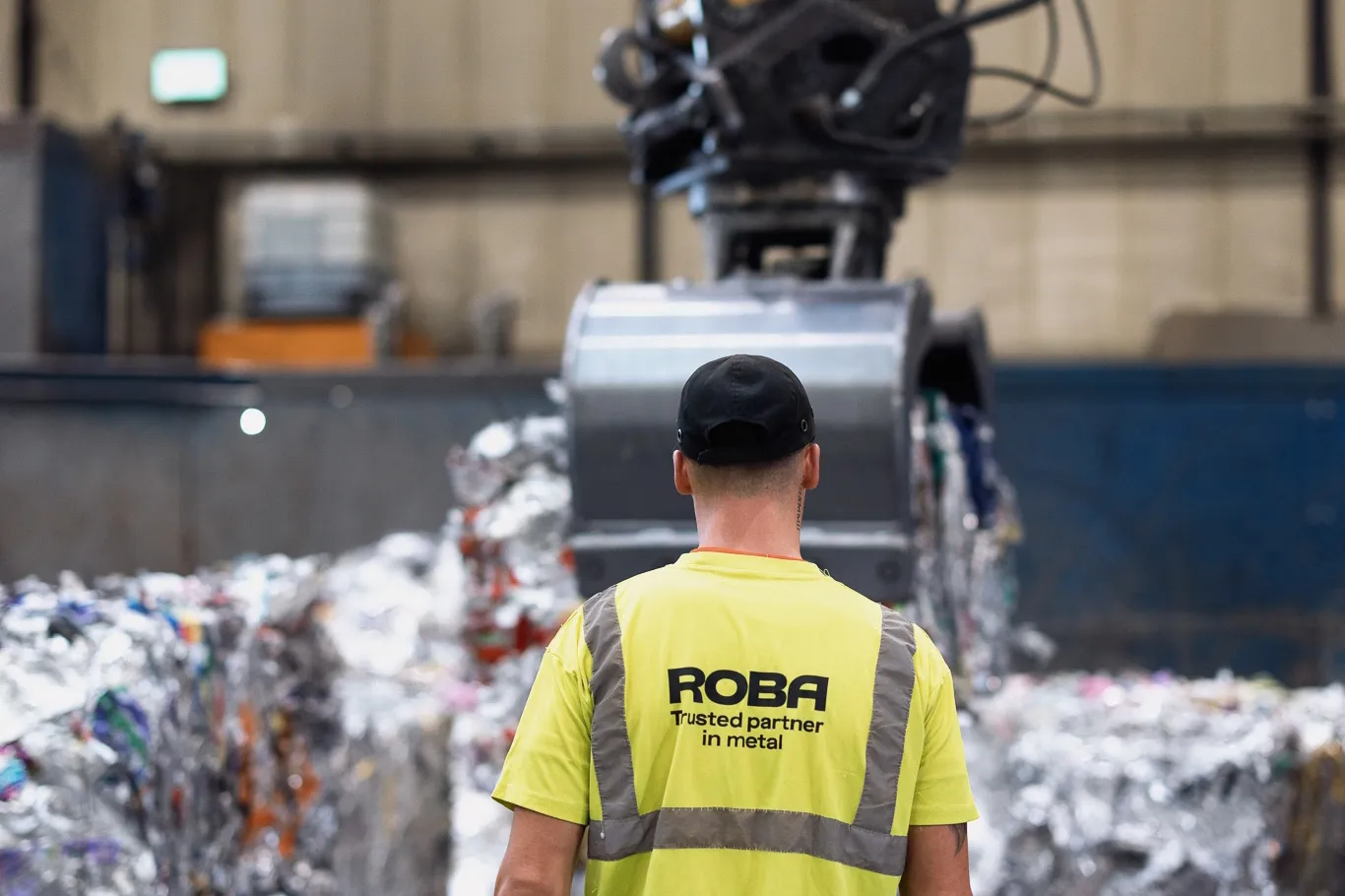
Roba, too, has had to adapt its original philosophy, under which it controlled the entire process, to keep pace with the times. Peele says: “The biggest change we have made over the past five to ten years is deciding that we want to play a less dominant role. We used to buy materials and decide what to do with them and who they could go to. Now, throughout the buying and selling process, we focus more on how much added value we can provide. One example is returning recycled packaging material, such as the lids, to the packaging chain.”
Geopolitics
Peele believes that providing added value and focusing on sustainability through cradle-to-cradle practices fit well with the new zeitgeist. “Even now, when geopolitical circumstances have somewhat reduced the focus on sustainability, this issue is not going away.” The business development manager has recently seen protectionism on the rise. “We are responding by keeping in Europe what we produce ourselves. Raw materials are scarce, and energy costs pose a threat to the market. Export volumes from Europe, particularly to Asia and India, have doubled in recent years. I think it is time to reconsider that.”
“Having the confidence to seize opportunities when they arise”
Listening to Peele, it is clear that he takes a positive view of trade. “At the same time, companies in the recycling industry need to have the confidence to seize opportunities when they arise. In my view, that means being transparent above all, as well as providing added value. That was also one reason for changing our business model. As a company, you need to consider what you can do, what you are good at and what costs are involved. You then supply products to your customers’ customers. One thing you always need to bear in mind is that if you can no longer provide added value, sooner or later it will eat into your margins.”
Question about this story? Ask your question
Keep following this
Get an email when a new story is published. No account needed.
- SubjectNews







