












A platform for circular start-ups
“Why not introduce a tax shift to offset the cost of innovation?”
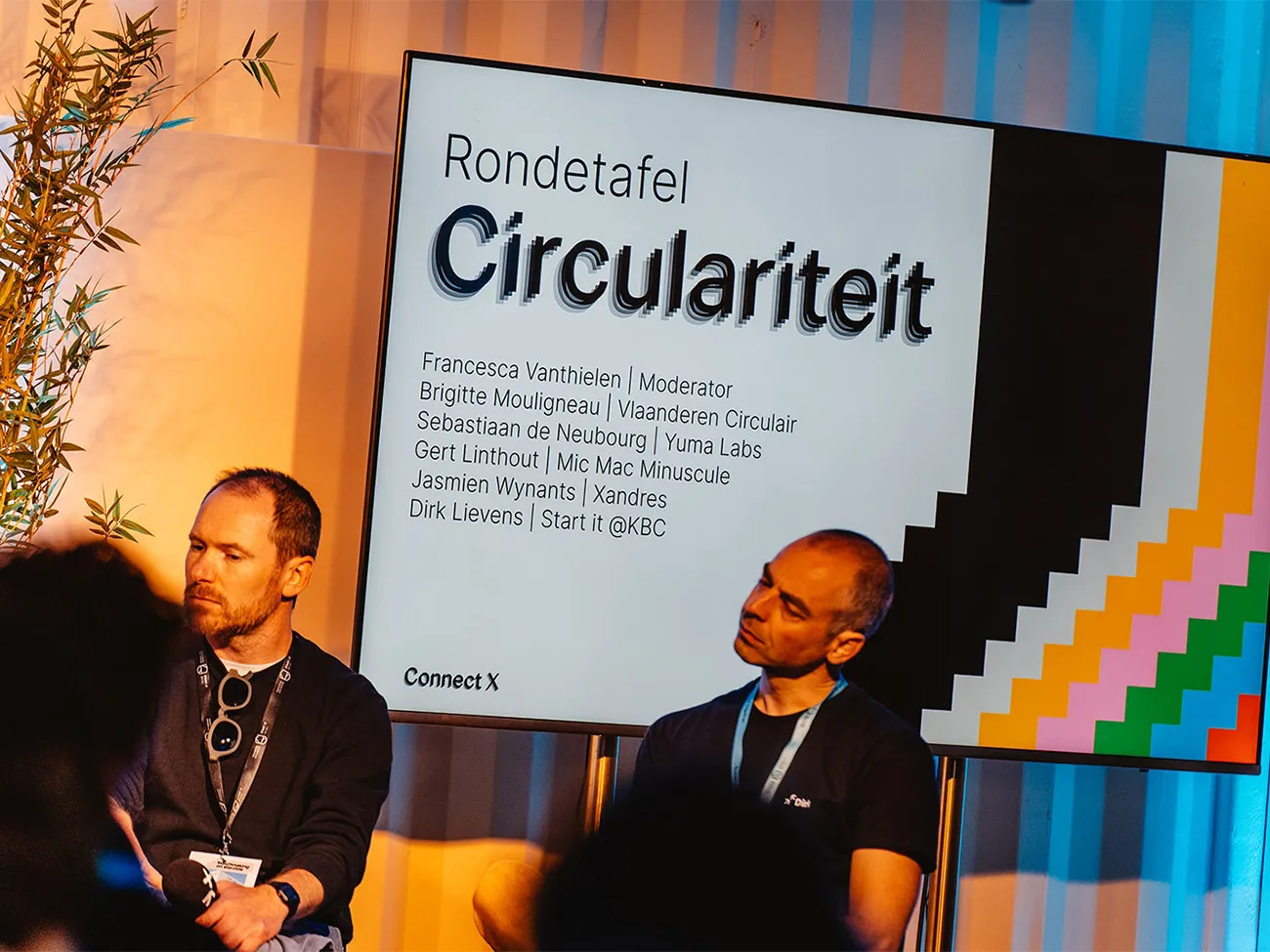
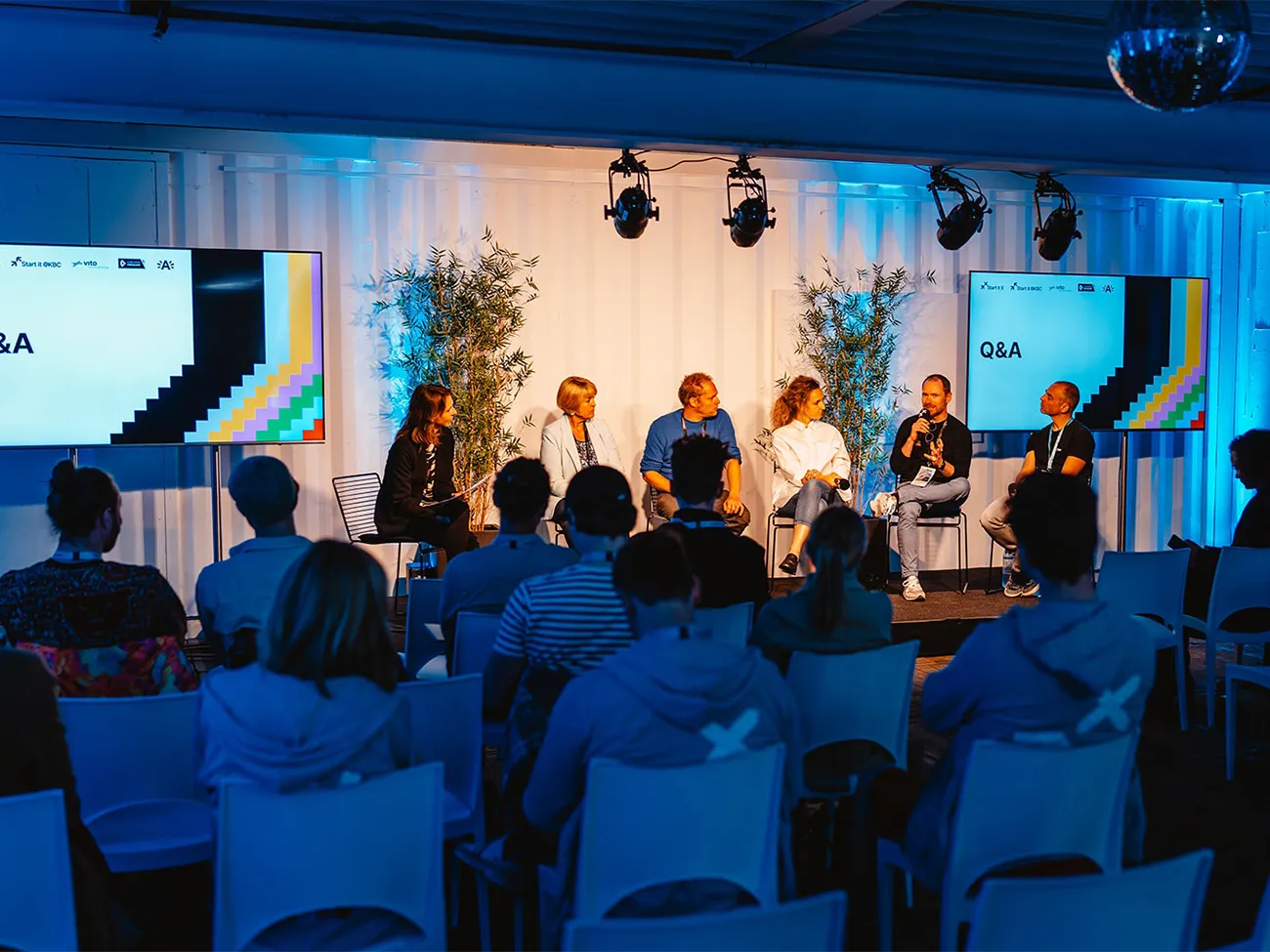
Start it @KBC wants to provide more active support to start-ups as they transition to a circular business model. That is no luxury, as became clear during a round-table discussion in Antwerp with external stakeholders and experts with first-hand experience. “We have to change the whole system. That is a huge challenge.”
By 2030, Flanders aims to increase the share of the circular economy in Flanders from 20 to 40%. “By 2030, the Flemish efforts to recycle and reuse materials will therefore have doubled,” Flemish Minister for the Economy and Innovation Hilde Crevits (CD&V) promised those attending the start-up festival Connect X in a video message. The ambition is achievable, the round-table discussion showed. “It is no longer just trendy start-ups that are embracing the circular economy,” says Jasmien Wynants, Sustainability Coordinator at clothing manufacturer Xandres and initiator of Close The Loop. “Well-established SMEs and large corporates are also getting on board. They often partner with innovative start-ups to do so.” The biggest challenges currently facing circular start-ups are external, as the various accounts made clear. These range from outdated legislation and an unsuitable tax system to rigid linear supply chains that cannot simply be changed overnight. This prompted the round-table participants to identify several key priorities.
Circularity = a price advantage
Start-ups do not have to contend with a historical legacy that could significantly drive up the cost of switching to a circular model. What is more, a circular model now allows them to make the most of increasingly severe raw material shortages. This can give them a price advantage over competitors with a purely linear business model. However, circular start-ups in Belgium often struggle to find enough high-quality recycled materials, which sometimes forces them to look abroad. High-quality recycling therefore offers considerable scope for economic growth in our country. At the same time, this could also help the government keep more innovative start-ups at home.
Focus on customers = crucial
Circular businesses must above all make sure they stay focused on the right things. Circularity alone does little to sell to the general public, but good or attractive products with clear added value that are also made using circular methods do sell. It is therefore crucial to use the right messaging with consumers and invest sufficiently in proper product marketing.
A level playing field = fair competition
The sector is not so much calling for additional subsidies as for a level playing field. “Only then can we bring the big players on board too. By updating outdated legislation where necessary, levying additional taxes on polluting activities, introducing a tax shift that benefits circular business models and reforming the tax system in certain areas, circular business models can compete on price with existing models in the long term. That will also persuade less motivated or highly price-conscious consumers to change their buying habits. And such a change in behaviour can happen much faster than people generally think,” stresses Gert Linthout. He is the founder of sustainable coffee brand Ray & Jules and Mic Mac Minuscule, which offers second-hand baby gift lists. “Until just a few decades ago, we routinely mended our worn-out socks and shoes. The unbridled consumer society is therefore also a phenomenon of only the past few decades.”
Circular economy = an economic boost for Europe
Circular models can give the European economy a major boost. Not only because we will produce and recycle more locally, but also because our European knowledge economy provides an ideal breeding ground for innovative production processes. “Belgium has a huge amount of knowledge and expertise,” stresses start-up coach Dirk Lievens. “So let’s make the most of networks and structures that can help start-ups work together and learn from one another.”
Question about this story? Ask your question
Keep following this
Get an email when a new story is published. No account needed.
- SubjectNews







