












A pivotal player in tomorrow’s green raw materials
Text Saar BenteinImage Vanheede
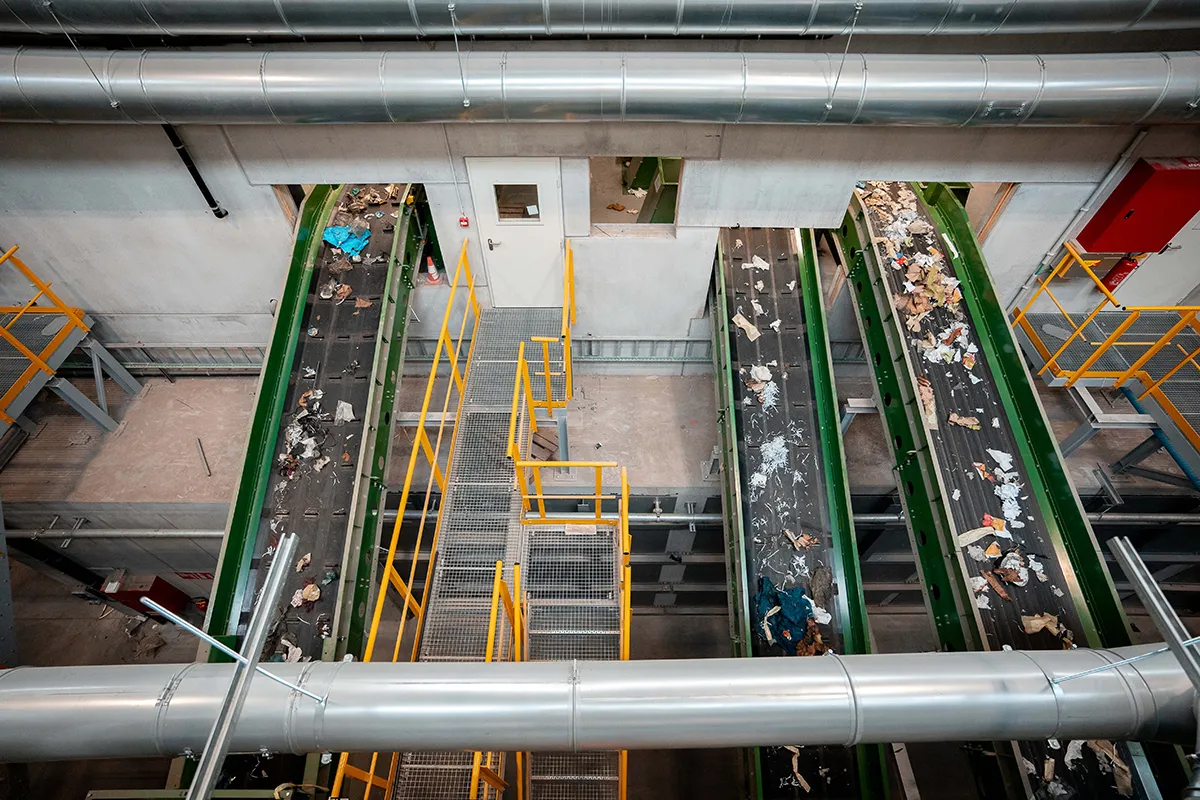
‘Join the recycling revolution’ is prominently displayed on the Vanheede Environment Group website. According to the group, which recovers no less than 655,188 tonnes of new raw materials from waste each year, such a revolution is absolutely essential if we are to save our planet. The key to success? Genuine collaboration and building strong partnerships. Vanheede wants to act as a facilitator, connecting value circles more effectively.
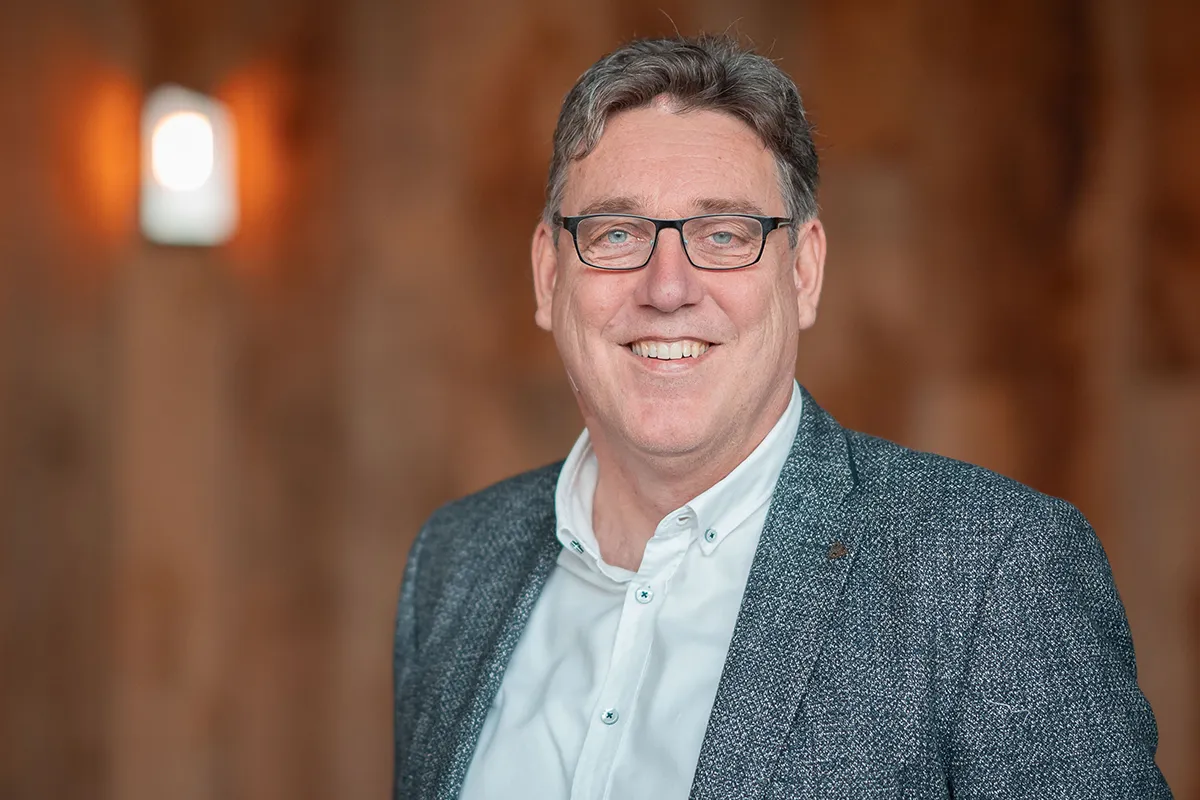
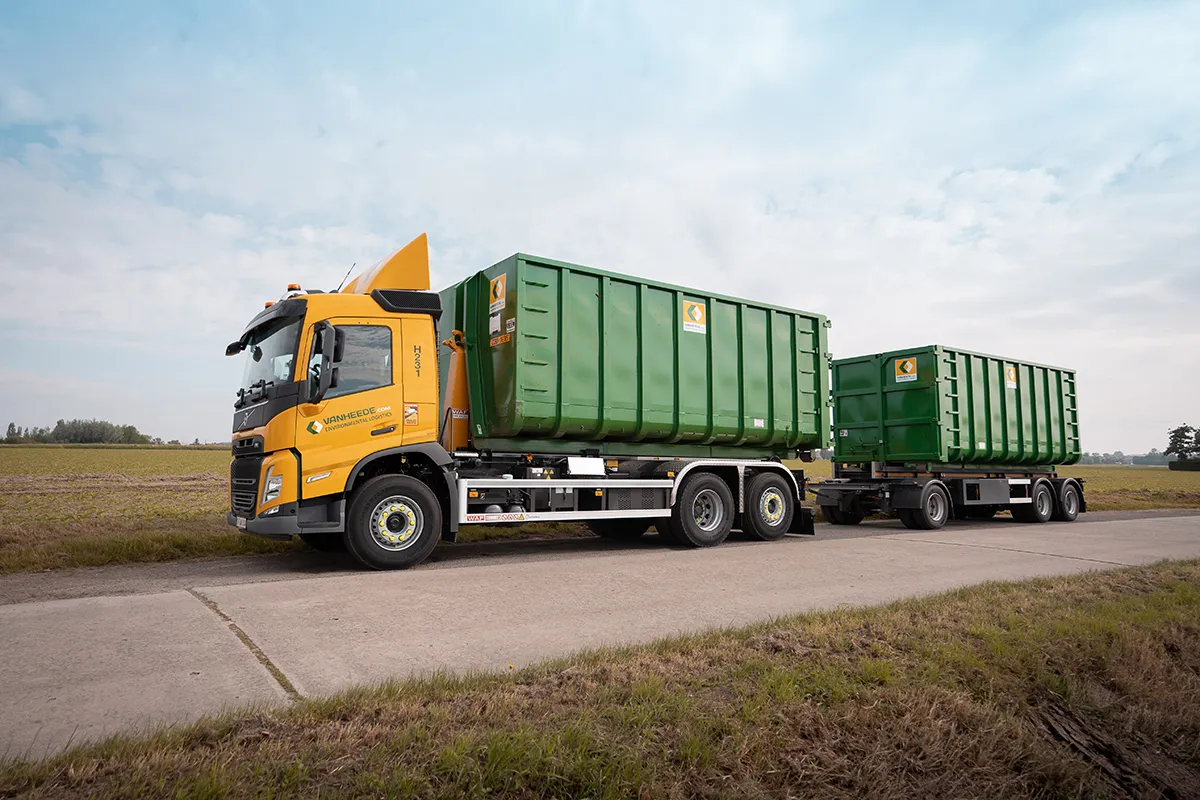
“Today, we manage more than 2,600 waste streams, or rather, raw materials. That is what matters to us, now and in the future. We do not just manage waste, we also supply raw materials,” says Jürgen Desmedt, business unit manager Recovery Facilities & programme manager Circular Materials at Vanheede, enthusiastically. Vanheede Environment Group operates from twenty different sites in Belgium, France and Luxembourg. Over the past ten years, the group has doubled its turnover and workforce, and processes around 1.2 million tonnes of waste each year. Yet Vanheede is proud of the specialist services it offers. One good example is the MedyBin, a collaboration between UZ Gent and Vanheede to collect hazardous medical waste in containers made entirely from recycled plastics.
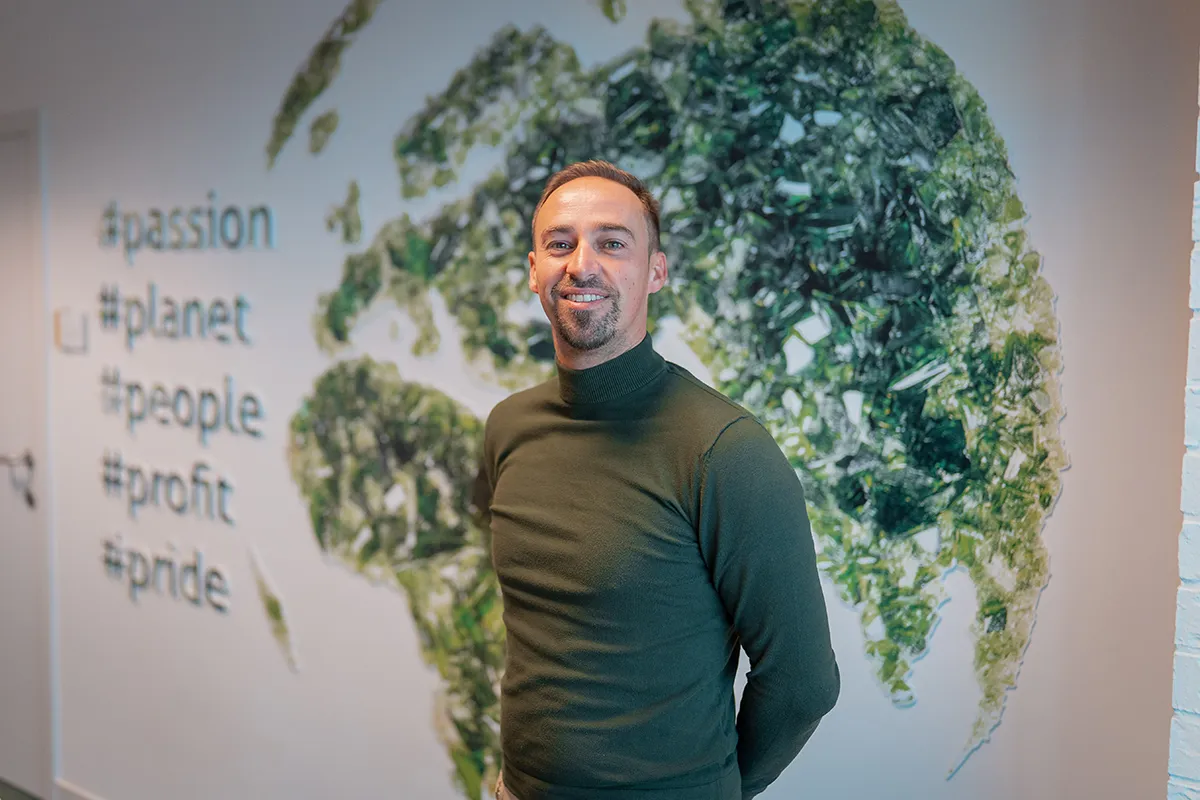
“We make products that nobody else makes,” says Kim Delvoye, marketing and communications manager at Vanheede. “A container made from 100% recycled material for this type of waste is a world first. It has to meet stringent technical requirements. Our dual role as both a producer and user of raw materials makes this possible. That combination will also enable us to launch excellent projects in the future.”
From evolution to revolution
The climate challenges are so urgent that we must act now. According to Desmedt and Delvoye, that calls for genuine doers such as Vanheede. “Everyone talks about the circular economy. But we must not just express that ambition, we must deliver on it. Our climate needs not evolution, but a true revolution in which all stakeholders, from industry to government, work together more closely and practically to save our planet. Tomorrow’s raw materials will come from our waste. That is why we must truly regard waste as raw ore to be mined.” Vanheede has already embedded this ambition in its recycling revolution manifesto. Specialisation and digitalisation are two crucial developments needed to bring about this revolution. “The gap between recycled and virgin material must continue to narrow. By investing in technology, recycled material must become technically, qualitatively and aesthetically equivalent to primary raw materials. The higher the quality, the better placed you are to compete in international raw materials markets,” says Desmedt. “That is why digitalisation is also essential,” adds Delvoye. “If recycled materials are to be used widely around the world, everything must be traceable, from origin to final destination. Digitalisation is one of the five innovation programmes we are pursuing for good reason.”
Not a one-man show
Although awareness of the importance of sustainability and circularity is growing, everyone needs to step further outside their comfort zone. “We need decisive action: producers must take genuine responsibility for their products’ life cycles. Governments must support industry with ambitious legislation that is also achievable. And the recycling industry must work more closely with industry so that we can work together towards a sustainable future,” says Delvoye. “A truly circular economy is not a one-man show, but a value chain, or better still, a value circle, in which all stakeholders work together. We see ourselves as a facilitator, a central link in the network, a pivotal player in tomorrow’s green raw materials,” Desmedt concludes.
Question about this story? Ask your question
Keep following this
Get an email when a new story is published. No account needed.
- SubjectNews







