Deposit on lithium batteries as a solution to waste fires
High time to tackle the problem at source
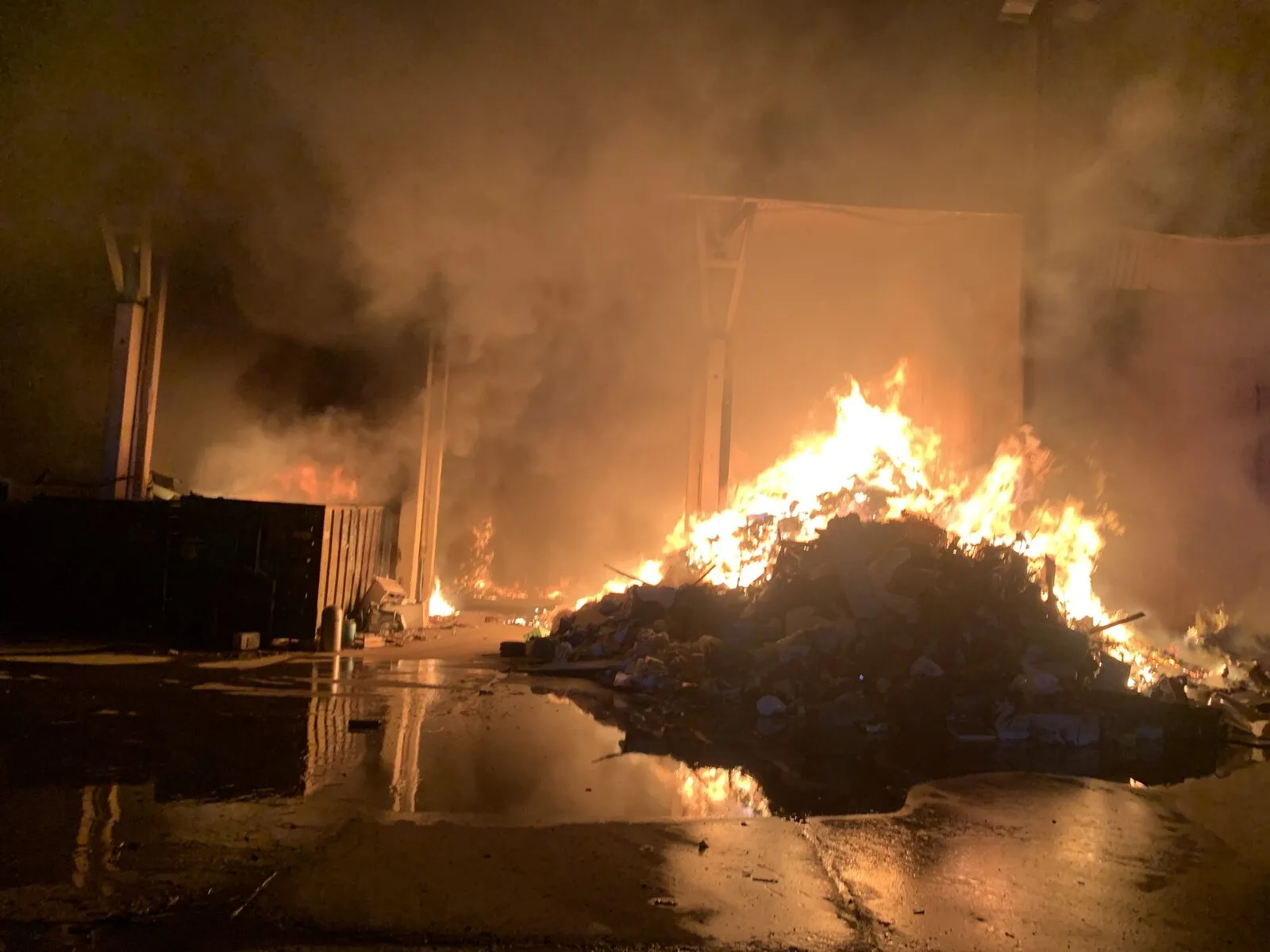
Fires breaking out in waste containers, refuse trucks and sorting centres: the number of incidents keeps rising. The main cause? Lithium batteries carelessly thrown out with general waste. Together with the wider waste sector, VSOR is calling for greater producer responsibility and a deposit system that encourages consumers to return batteries correctly.
Alarming figures
Major fires at recycling companies and waste processors in West Flanders recently demonstrated just how serious the problem is. The stored waste caught fire, presumably because of lithium batteries left in the waste or undetected nitrous oxide cylinders. The impact was enormous: local residents received a BE-Alert and several fire brigades had to pull out all the stops to bring the fire under control.
The figures paint a worrying picture: in 2023, 14 fires made the news, in 2024 that number rose to 17 and in 2025 to as many as 33. With 45 fires already recorded in the first eight months of 2026, the upward trend continues unabated. A similar trend can be seen elsewhere in Europe.
Moreover, this is only the tip of the iceberg. A survey among VSOR members shows that incidents occur every week which, fortunately, are discovered in time and nipped in the bud.
The bitter irony is that waste processors bear the consequences of a problem that originates elsewhere in the chain”, says Dino Henderickx, director of VSOR.
Batteries everywhere, risk everywhere
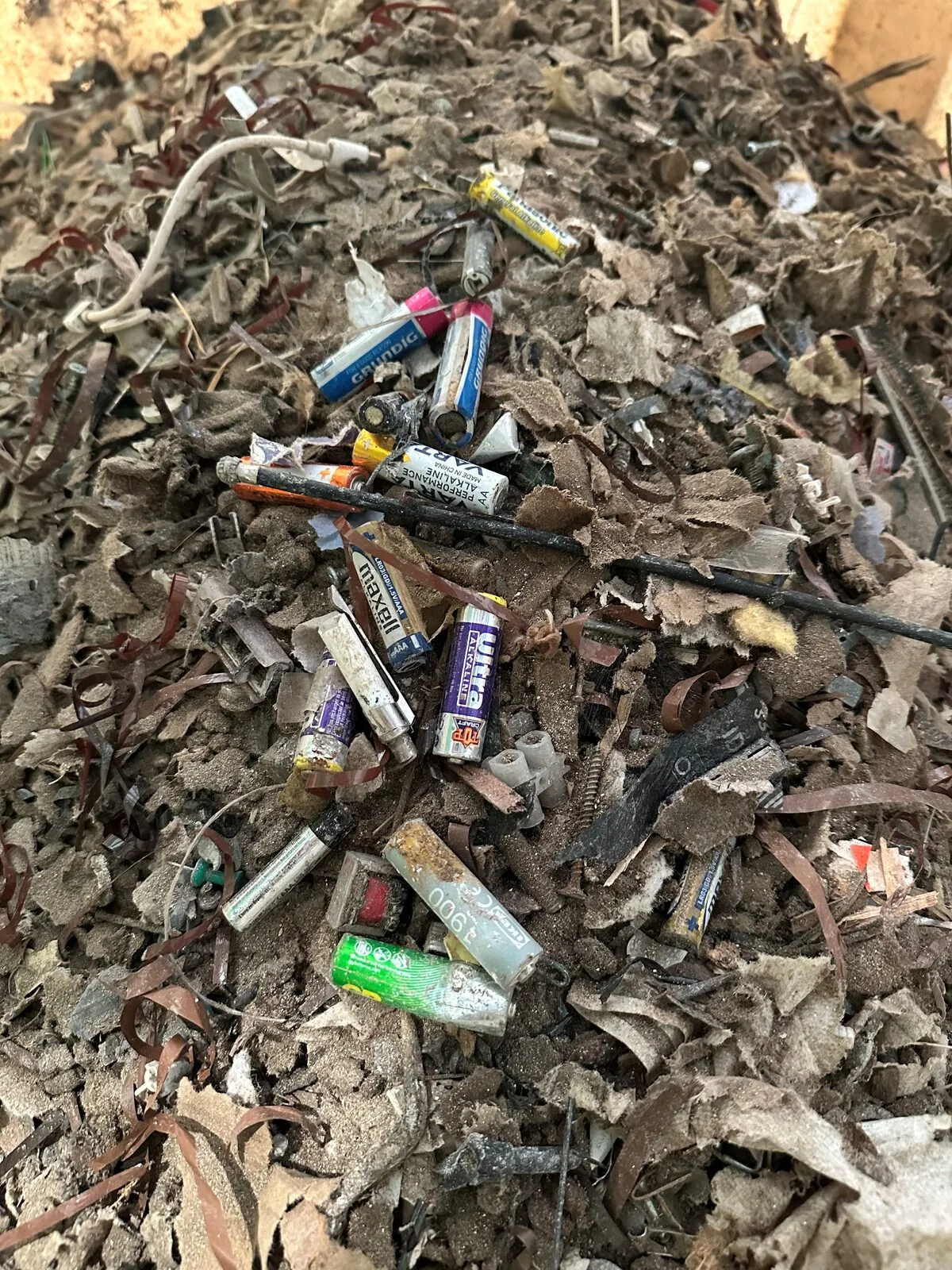
Smartphones, laptops, e-bikes, scooters, toys and e-cigarettes: almost all of them contain lithium batteries. If these end up in commercial or household waste, they can be damaged during processing and ignite spontaneously. The waste sector is therefore investing millions of euros in fire detection, thermal imaging cameras and extinguishing systems to protect employees, equipment and the surrounding area. Yet this is not enough to turn the tide…
“The best fire is the one that never starts. Prevention therefore begins before the waste even reaches the processor's gate, namely in the way batteries are placed on the market and collected”, stresses Dino Henderickx.
Tackling the problem? Start at the source!
As far as collection is concerned, the message is clear: lithium batteries do not belong in residual waste or PMD (plastic bottles, metal packaging and drinks cartons), but must be returned via Bebat collection points or the recycling park. Yet many consumers do not know where to take, for example, appliances with built-in batteries. Awareness campaigns certainly have their uses, but they do not solve the problem permanently.
VSOR is therefore calling for the introduction of a deposit system as a possible solution. Anyone buying a loose battery or an appliance with a built-in battery would pay a deposit, which is refunded when the battery is returned correctly. Producers and retailers would have to offer collection options or join a collective collection system. A national awareness campaign should support this and draw consumers' attention to the risks of wrongly discarded batteries.
“Forty-five fires in barely eight months: that points to a structural problem. We know from experience with deposits on bottles and cans that a financial incentive can change consumer behaviour. It is therefore high time that the waste sector, producers and government join forces to develop a similar approach for batteries. Before even more damage is done or, worse still, lives are lost,” says Dino Henderickx.
Appeal to the insurance sector
Finally, VSOR addresses the insurance sector. As waste fires increase, insurers are ever more often cancelling policies, raising premiums and excesses, or refusing to provide cover for waste processors and recycling companies. VSOR understands the financial risks for insurers, but advocates a joint approach that both limits the risks and guarantees the insurability of waste companies. “We hope to continue the talks with the insurance sector and the umbrella organisations on this constructively”, concludes Dino Henderickx.
Next steps
VSOR will enter into talks with the competent Flemish and federal authorities, producers, trade organisations such as Denuo and collection systems such as Bebat and Recupel to flesh out this proposal and press the case with policymakers. At European level too! To be continued…
Streamer
“The best fire is the one that never starts. Prevention therefore begins before the waste even reaches the processor's gate”
A business question for VSOR vzw? Get in touch
Companies in this story
Keep following this
Get an email when a new story is published. No account needed.
- SubjectNews
- CompanyVSOR vzw
- CompanyBebat vzw
- CompanyRecupel