Unique installation separates aluminium into different grades
Text Valérie CouplezImage Galloo
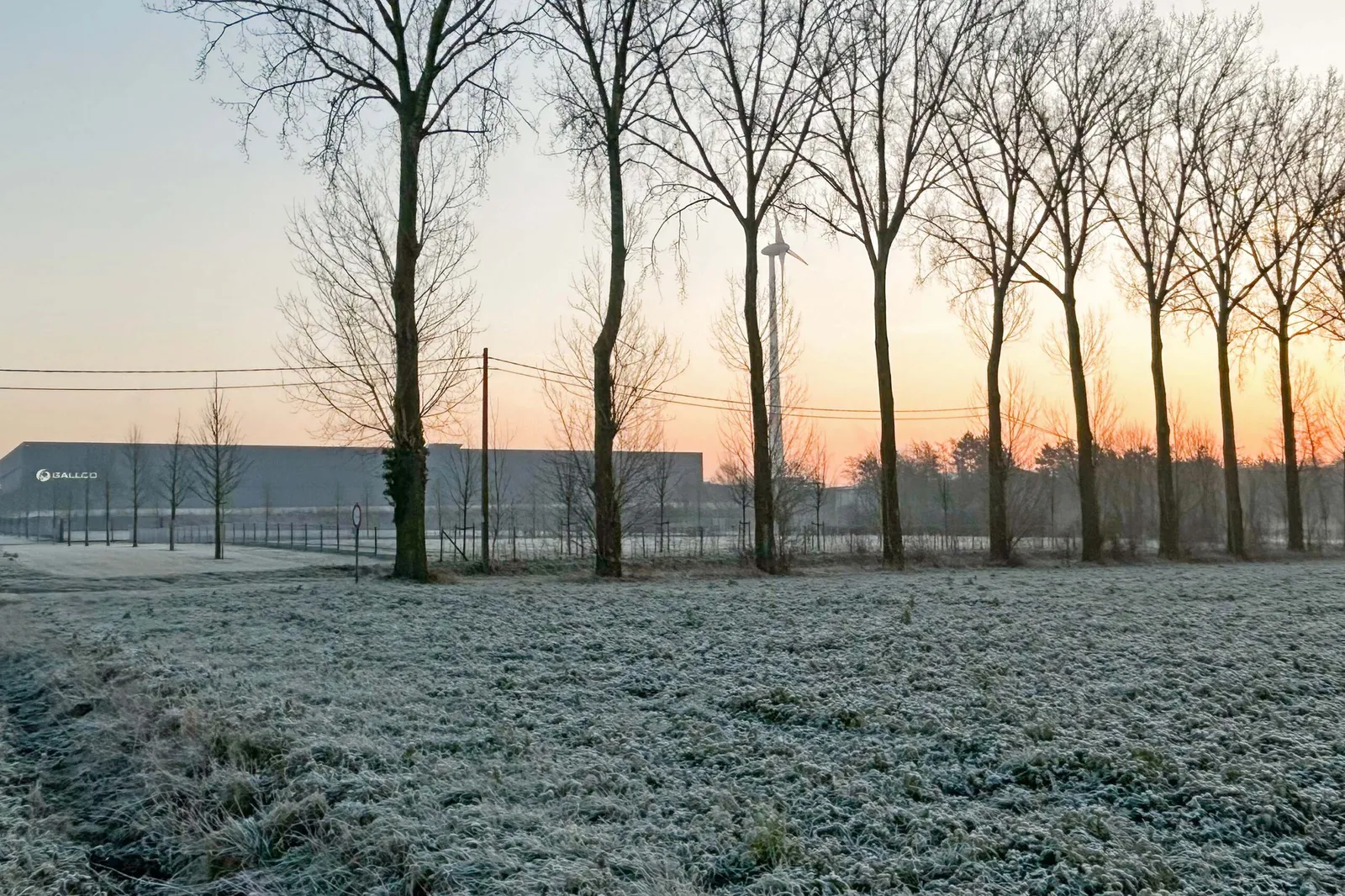
If any recycling company has made innovation second nature, it is Galloo. “It’s a necessity,” says R&D director Luc Waignein. “We operate in a sector that is evolving rapidly and is highly competitive. If you miss the boat on technological progress, you will eventually price yourself out of the market.” That is why Galloo is constantly looking for new ways to expand the range of materials it can recover. A recent example is the Kant West project, which now enables the aluminium fraction to be sorted into different grades.
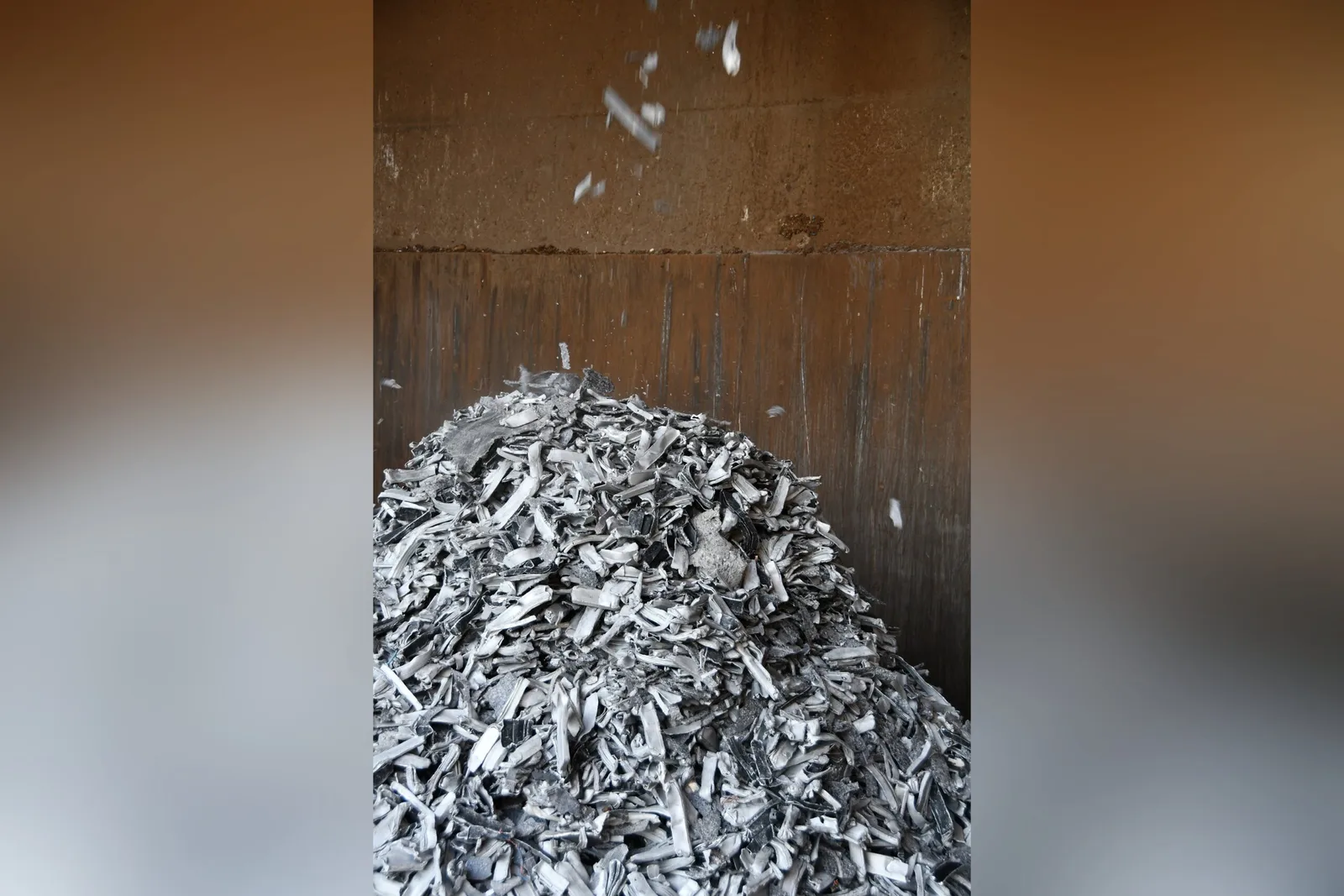
Galloo’s shredders in Menen reduce end-of-life vehicles and other scrap to roughly three fractions. About 70% is steel, while the remainder is split evenly between the so-called fluff, light materials such as seats and textiles, and a non-ferrous fraction. “We have been further processing this non-ferrous mix at our Ropswalle site since 1982,” says Waignein. This is no mean feat: Galloo uses several techniques to separate it further into aluminium and heavy metals. Its high level of specialisation means that other shredders from Belgium and abroad also bring their non-ferrous materials to Menen.
Demand for specific grades
Despite all this careful processing, the aluminium is not yet pure enough. “We are seeing growing demand on the global market for either cast or wrought aluminium. Until recently, it was all part of one homogeneous mix. In addition, primary smelters are looking for specific alloys with certain proportions of silicon, copper and manganese rather than others. It therefore made economic sense to look at how we could improve our existing line.”
In-house R&D capacity
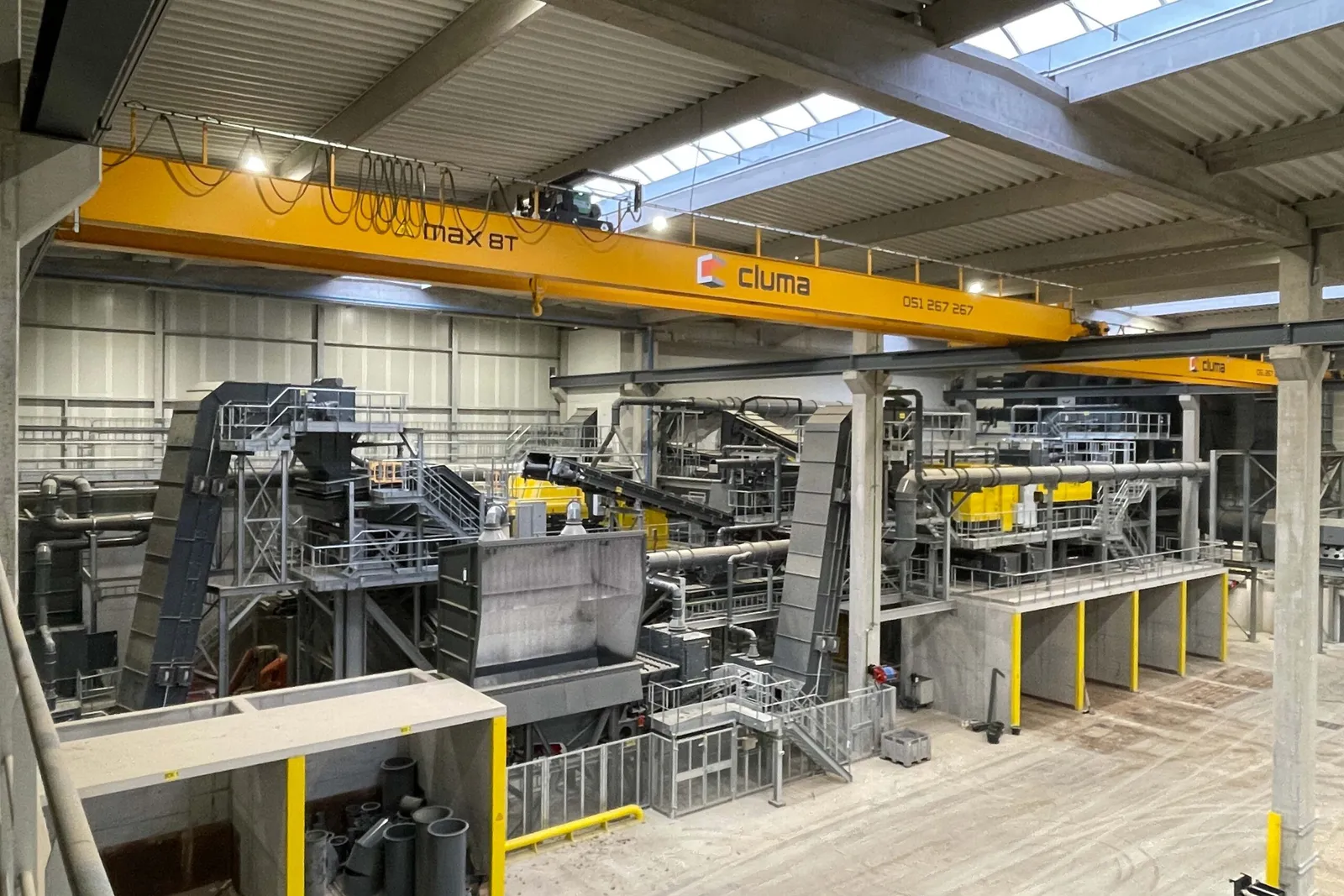
Although this innovation did not reinvent the wheel, the line relies largely on existing machinery and techniques, in-house R&D capacity was indispensable in achieving the desired result. “The line essentially consists of four stages: optical sorting, a purification step, X-ray inspection and laser inspection. The way we combine these techniques, and our knowledge of our processes, really makes the difference when it comes to identifying each piece of aluminium correctly and ejecting it into the right fraction,” Waignein explains. “Achieving an optimal throughput was a crucial success factor, for example. We give our engineers the freedom they need. We encourage them to keep pushing the boundaries of recycling.”
Top of the class
The line has been operational since last year in an impressive hall. Just two operators are needed to run the entire installation: one on the wheel loader to feed the line and another to monitor and adjust all the process parameters closely. The finishing touch will follow shortly: integrating laser technology to sort the different alloys in wrought aluminium. What is particularly impressive is that this installation also goes beyond current environmental requirements. “We want to be top of the class in everything we do. A central dust extraction unit makes the working environment pleasant for our operators. Additional sound insulation in the walls and roof limits the impact on local residents. And heat recovery means the line also contributes to greater sustainability.”
Closed loops
The project brought the cost to around €15 million. Nevertheless, Waignein firmly believes the investment will pay for itself. “Quality requirements are getting ever higher. There is no going back. As we already do with plastics, we want our new line to enable fully closed loops, so that we can recycle aluminium right down to the brand level, for example, and return it to the manufacturer.” Galloo has already entered a joint venture with car manufacturer Stellantis for this purpose. “Innovation has always been a priority for management here. It has always been our thing. That corporate culture has made us an established name and also gives us the volumes needed to make projects like this commercially viable,” Waignein concludes.
Question about this story? Ask your question
Keep following this
Get an email when a new story is published. No account needed.
- ThemeRecovering metals and creating value
- SubjectEquipment