Solutions to increase productivity at recycling companies
Text and images Castolin
Recycling companies play an important role in achieving sustainability targets. To provide this crucial service, they need to be profitable and overcome a number of challenges. The first is the highly volatile value of recycled materials. The price of aluminium, for example, can suddenly fall, making it less profitable. This drives operators to strive for maximum productivity with minimum equipment downtime. The second is rising energy prices, which are a significant factor. Energy efficiency is therefore crucial to maintaining profits and meeting increasingly stringent CO2 emission targets.
There are significant costs associated with replacing worn parts. These include not only the cost of purchasing a new part, but also the labour required to install it and the loss of productivity while the machine is out of service. Costs can mount rapidly when a sudden breakdown causes downtime. Wear also leads to inefficient operation in some key components, such as the cutting elements in a shredder. A worn cutting edge may mean that material has to pass through the shredder several times to reach the required size. The machine therefore runs for longer, suffers even more wear and consumes more energy.
Hardfacing can make a difference
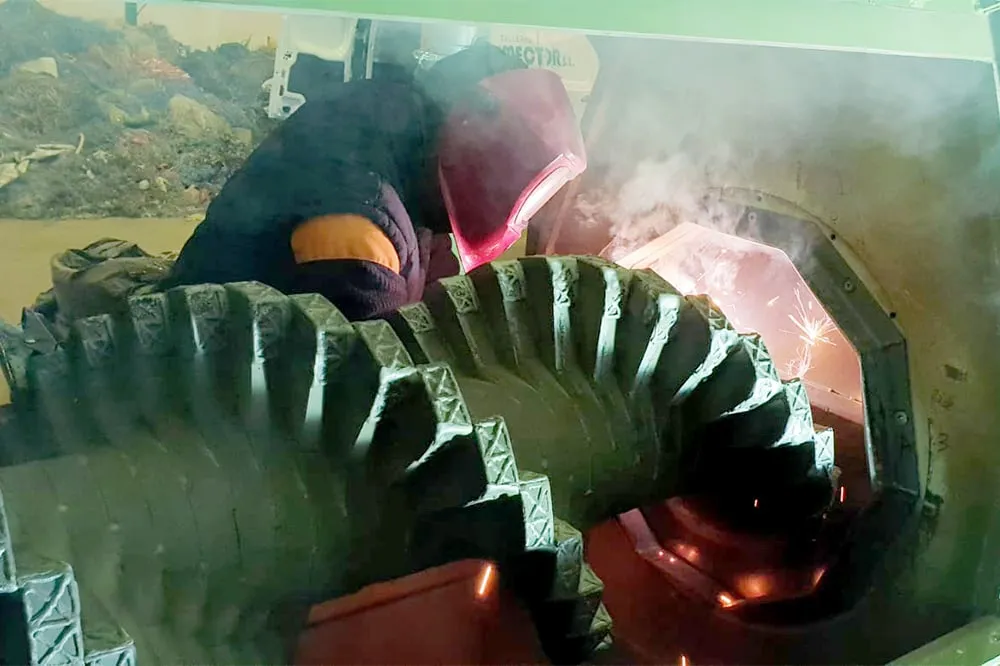
Hardfacing can address these costs by extending the service life of parts with a wear-resistant, durable surface coating. This can be applied to a new part or as part of a repair. Each type of recycling machine and process presents different challenges in terms of the materials processed, wear patterns, pressure, temperatures and the presence of corrosive substances. Hard materials such as metal can pose a particular challenge.
Tailoring wear management solutions to the application
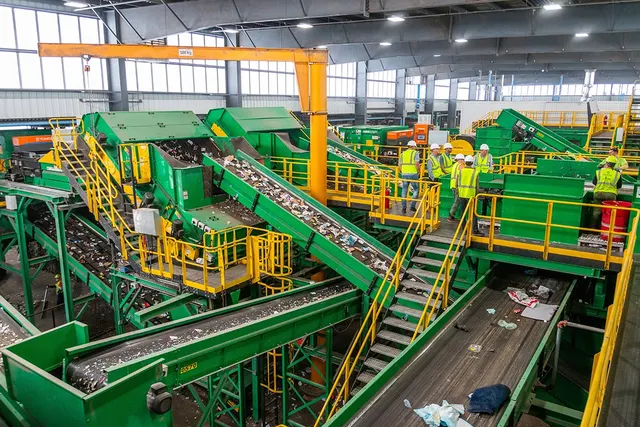
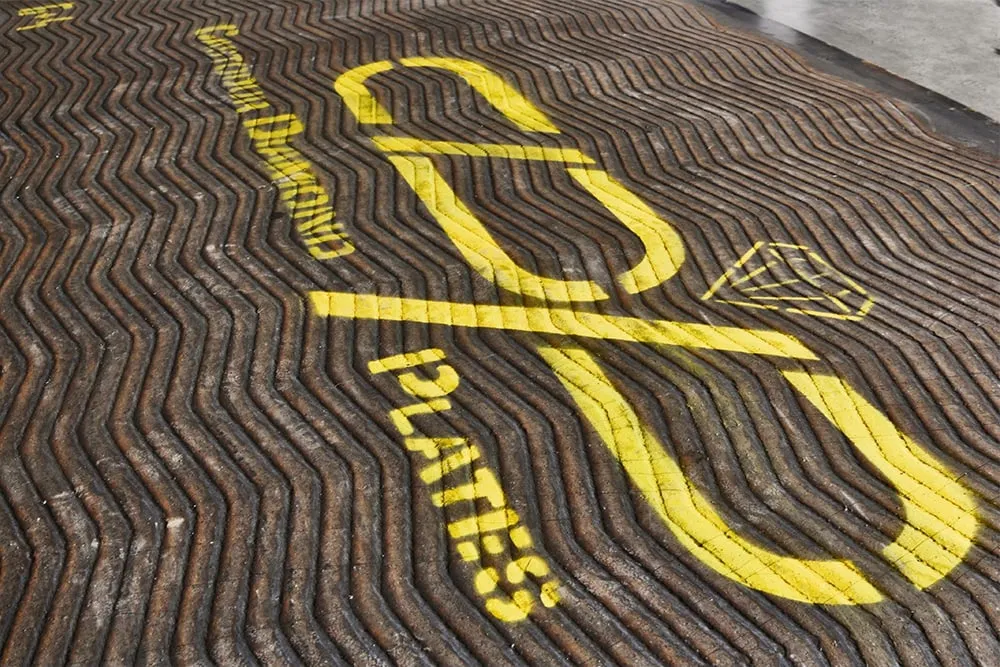
For many types of recycling equipment, wear-prone surfaces can easily be lined with CastoDur Diamond Plates (CDP®). This solution consists of a steel plate that can be easily welded and is coated with wear-resistant alloys. For example, the plate can be used to line bulldozer and grab buckets, conveyor sides, chutes and any other surfaces used for collecting or conveying material in the recycling plant. As they are highly resistant to abrasion, impact and vibration, this type of wear plate typically lasts five times longer than standard liners. They can easily be cut, shaped and fitted to protect any surface using bolts, rivets or spot welds. Plates are available as standard sheets or as preformed sections tailored to the equipment’s dimensions and shape. Design flexibility is particularly important when lining the cylindrical or conical sections of a cyclone, or the internal surfaces of glass crushing, grinding and mixing machines.
Applying wear layers
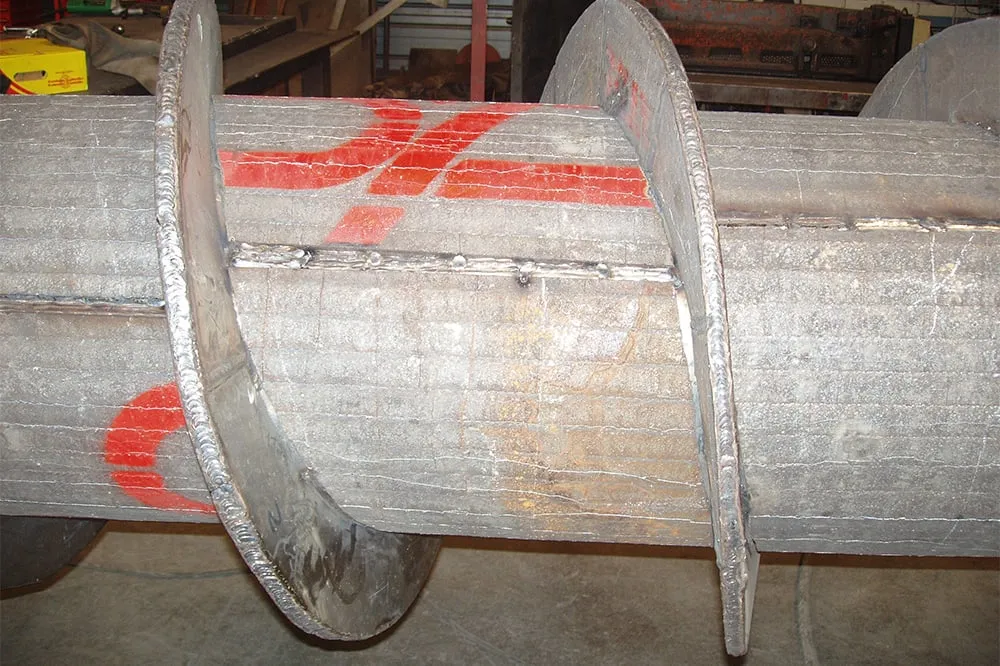
To extend the service life of the crushing and cutting elements in crushers and shredders, surfaces can be reinforced with wear layers made from welding wire or metallic powder. In some applications, it is possible to restore the original shape and sharpness of a cutting edge. However, for components such as large hammers, which can lose a considerable amount of metal when worn, weld restoration is not cost-effective. Applying a wear layer when the hammer is new is important to extend its service life.
For more information on how wear management solutions can increase the profitability and sustainability of recycling companies, visit the Castolin website.
Question about this story? Ask your question
Keep following this
Get an email when a new story is published. No account needed.
- ThemeRecovering metals and creating value
- SubjectRecycling plants