Dust control as a priority
Text Kris VandekerckhoveImage Nederman
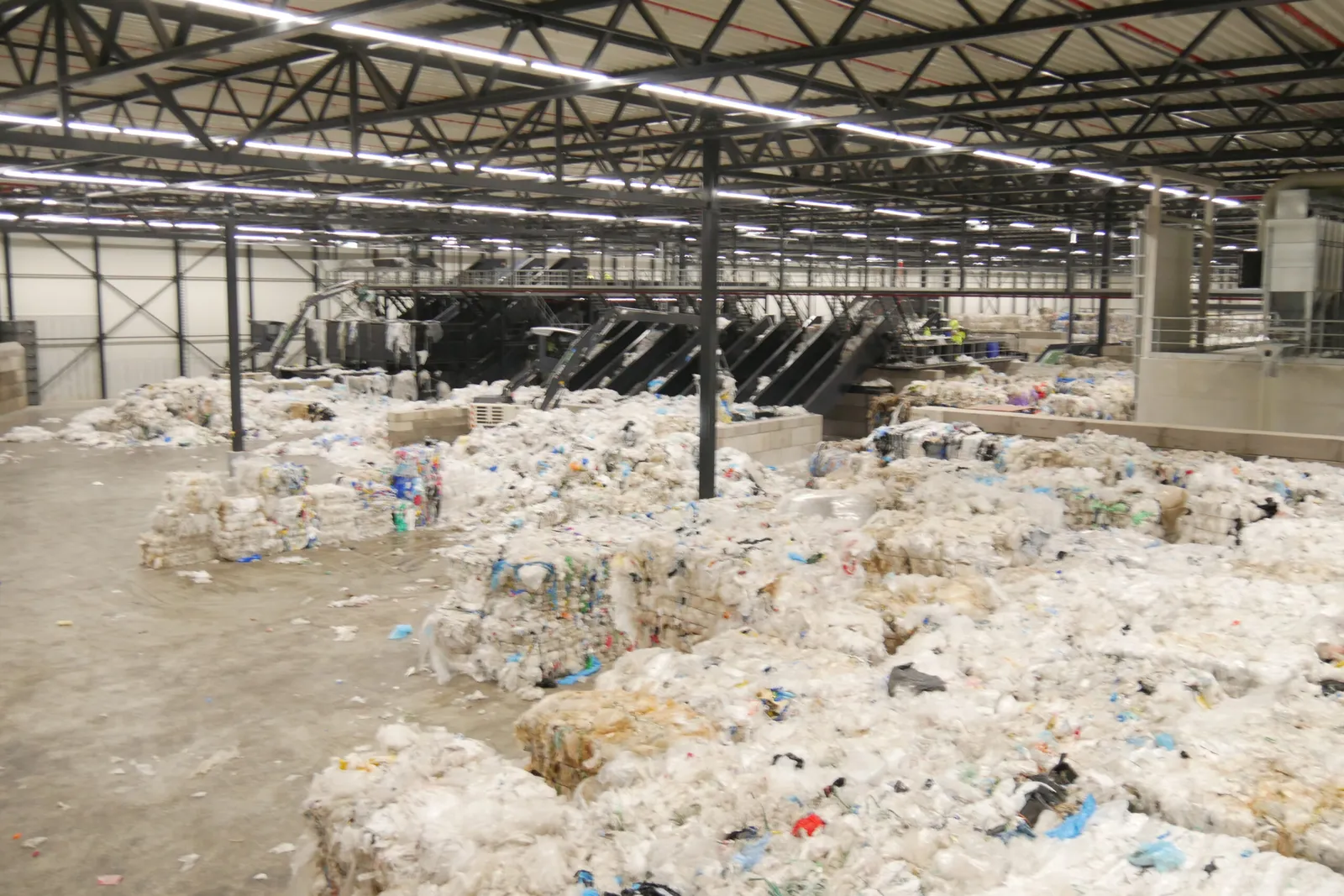
Recycling has long been more than simply waste processing: it is a genuine business model. What was once considered a residual waste stream is now being reused in production chains. But as the recycling sector grows, so do the challenges. Air quality and dust control are becoming increasingly important. Nederman, a specialist in industrial air filtration, is responding with smart solutions that not only make the working environment safer, but also protect equipment from wear and downtime. Gunther Maes, Sales Manager Configured Solutions at Nederman, shares his insights into trends and technological innovations in the sector.
Nederman has been an established name in air filtration for decades, but it is only recently that its focus has shifted to dust extraction in the recycling sector. “We originally specialised in welding fume extraction,” says Maes. “But through strategic acquisitions, we have expanded into dust extraction systems for a wide range of industries, including recycling. Demand for dust control solutions is growing as companies become increasingly aware of the impact on both employees and machines.”
The risks of dust
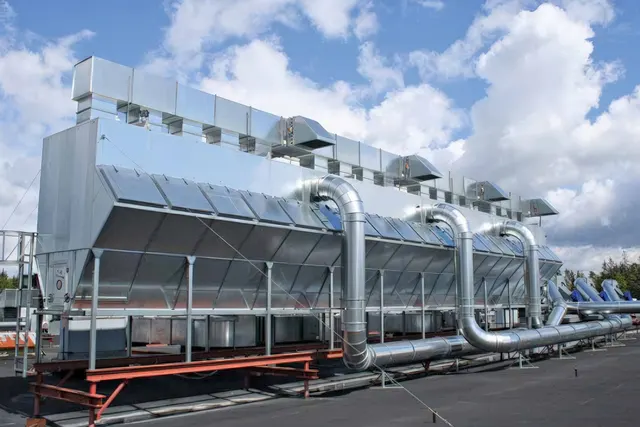
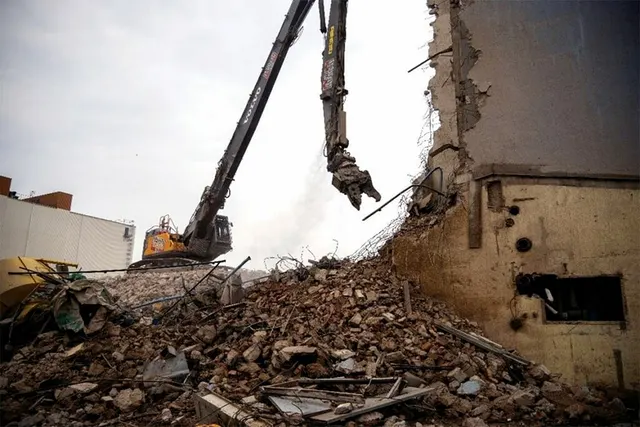
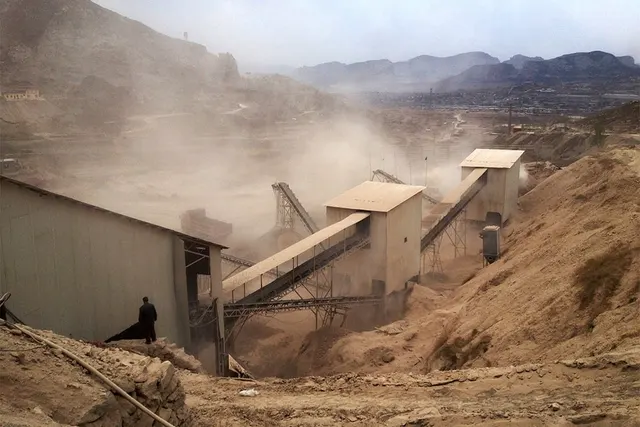
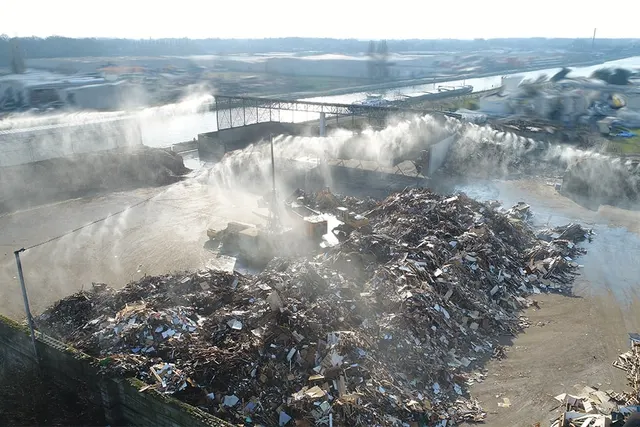
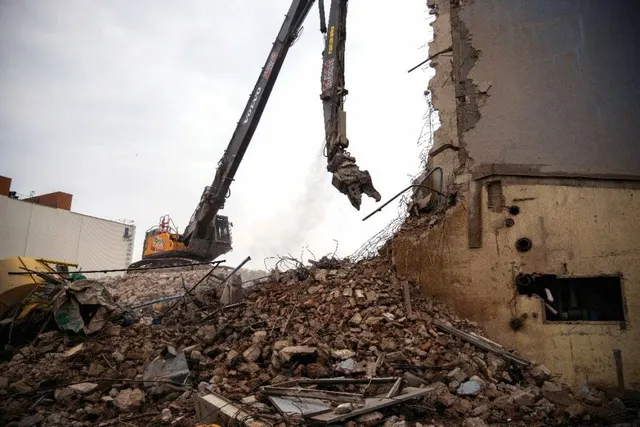
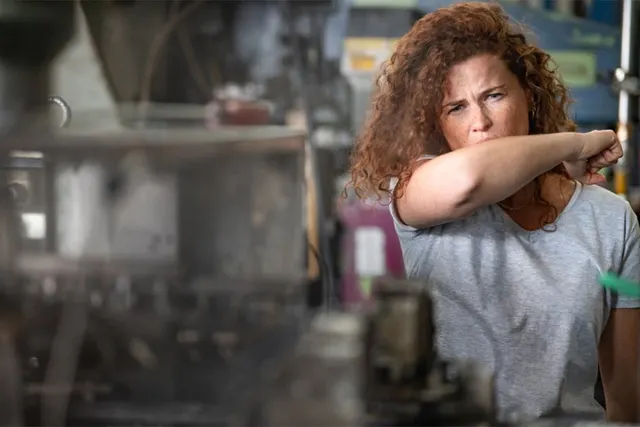
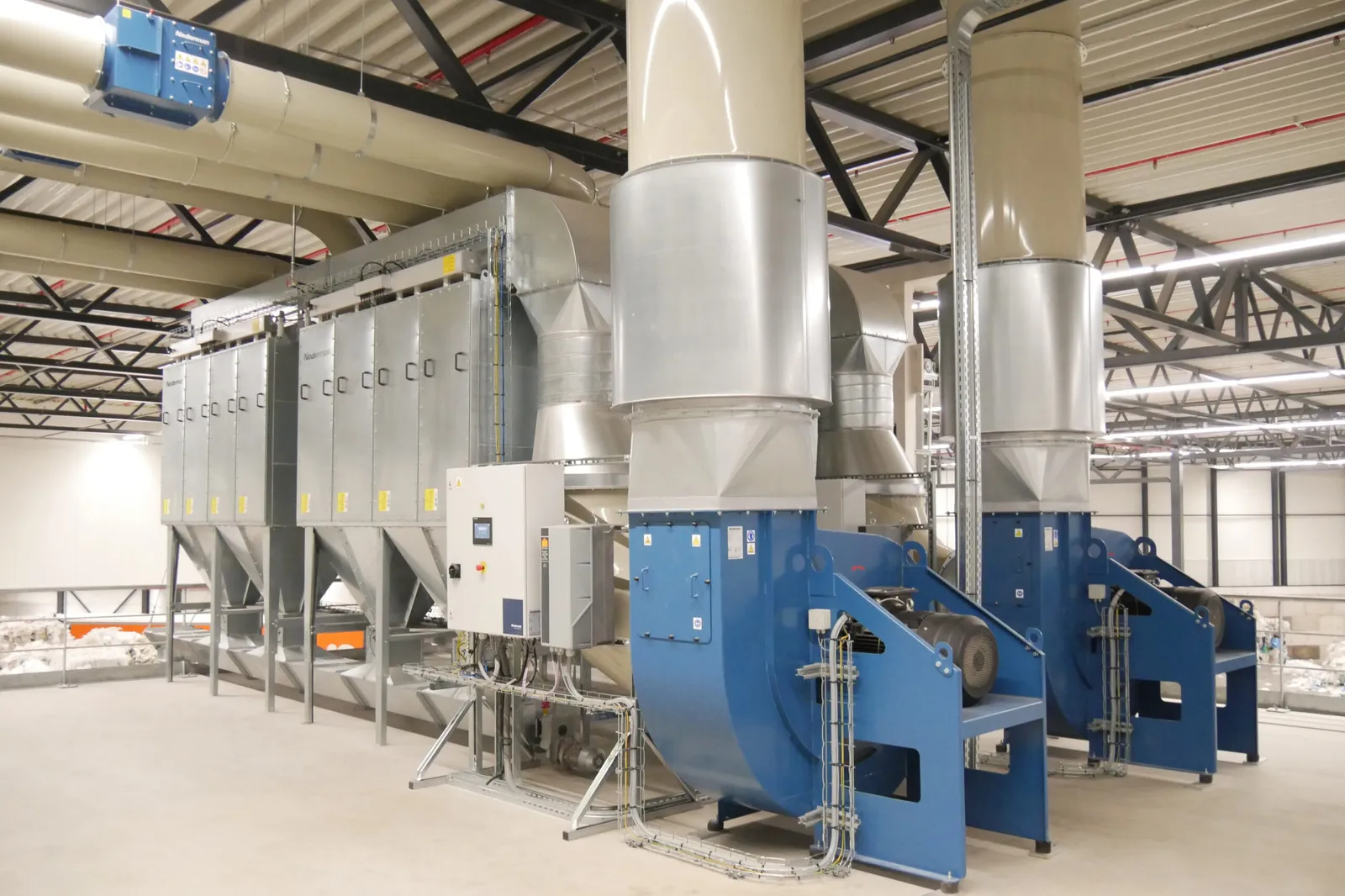
There is no doubt that recycling has become big business. Whether it involves car tyres, paper, rubble, cement or bridges being demolished and crushed, the increase in recycling processes is leading to more dust-related problems. “Every time material is broken up, moved or processed, dust is released,” Maes explains. “This is not only a health risk for employees, but also detrimental to machinery. Dust build-up accelerates wear and can even pose a fire risk in some cases, as in paper recycling.” Nederman offers a range of technologies for effective dust control. “We install dust extraction systems above crushers, loading hoppers and transfer points, where dust accumulates and is released again. Our systems extract the dust directly and filter it before it reaches the working environment.”
The challenges of composites in recycling
Alongside traditional recycling processes, more and more new materials are entering the waste processing stream. Composite materials pose a challenge for the future. “Today, the focus is mainly on processing silica and heavy metals,” Maes says. “But composites remain largely uncharted territory. These materials will increasingly need to be recycled in the future, bringing new dust-related challenges.”
Clean air, a clean future
Sustainability and health are inextricably linked. Stricter environmental legislation is forcing companies to manage their emissions and dust emissions more effectively. “Dust containing heavy metals can no longer be released into the air without filtration,” Maes stresses. “We support recycling companies not only in complying with legislation, but also in creating a safer working environment. Investing in the right systems is not just an obligation, it is also a smart business strategy.” The recycling sector is changing rapidly. Innovative materials, tighter regulations and growing awareness of safety and health bring constant challenges. “Progress requires forward thinking,” says Maes. “We help recycling companies prepare today for tomorrow’s standards and challenges with well-designed, sustainable and efficient solutions.”
Een zakelijke vraag aan NEDERMAN? Get in touch
Companies in this story
Keep following this
Get an email when a new story is published. No account needed.
- ThemeSafe and clean processing
- SubjectDust control
- CompanyNEDERMAN