Mechanical ventilation vs air purification systems
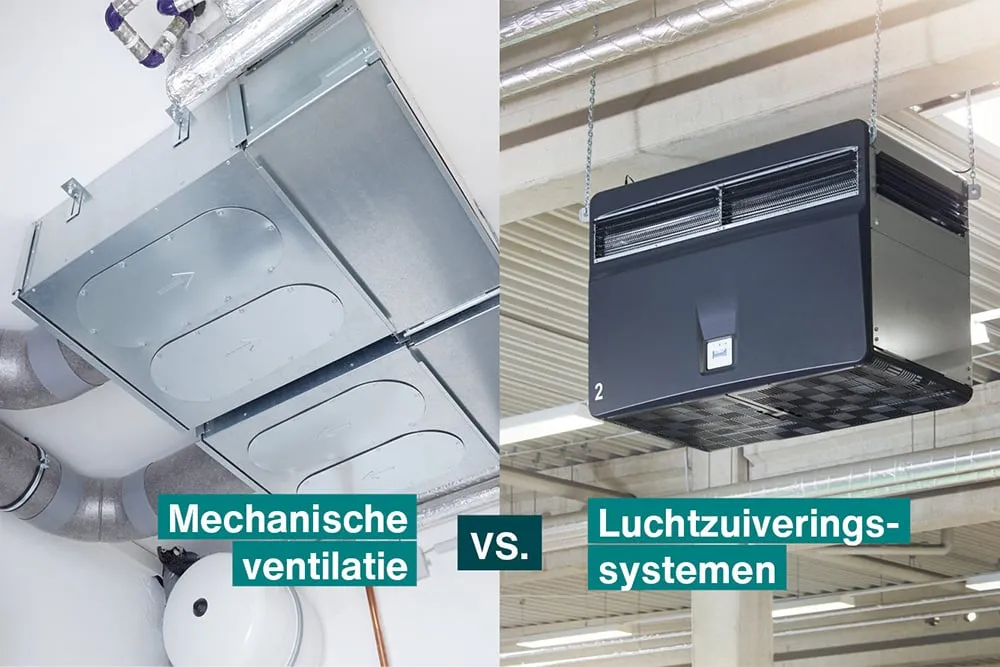
Mechanical ventilation systems and air purification systems: both help to create healthier air and a better indoor climate in your business. But what are the differences? Which system should you choose? Or is there a third option?
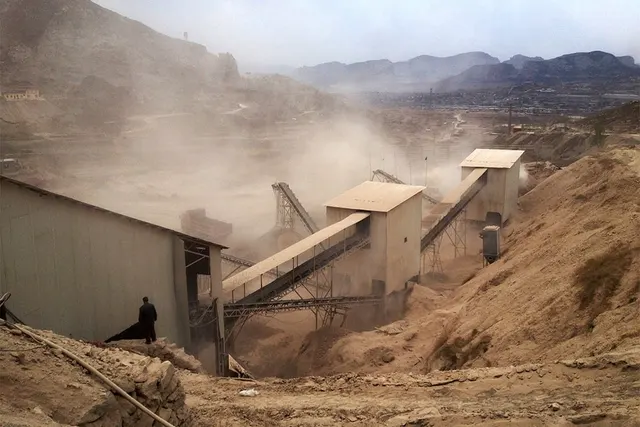
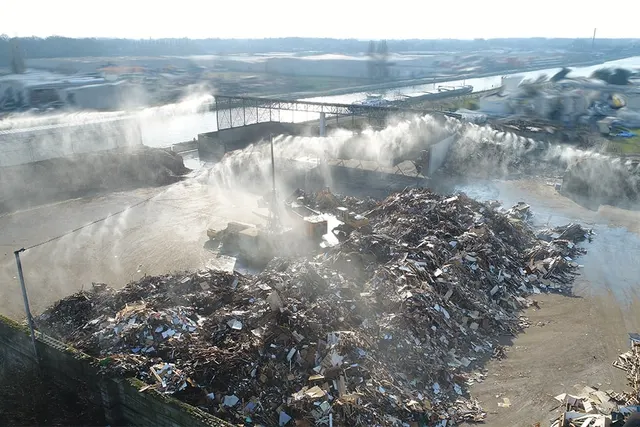
Work processes, the movement of staff and products, and cleaning your factory or warehouse all generate a lot of dust. This contaminates your indoor air with (harmful) particles, vapours and gases. If staff breathe in these particles every day over a prolonged period, they are at risk of serious health problems. This can lead to asthma and other serious lung conditions.
Our bodies also produce carbon dioxide (CO2), which we release into the air. When too much CO2 builds up indoors, the air feels stuffy and oppressive. This can cause headaches, fatigue, drowsiness and difficulty concentrating, among other symptoms. Viruses are also transmitted more quickly from one person to another.
So, to ensure a healthy and comfortable indoor climate, you need to do something about polluted air. For example, you can ventilate using a mechanical ventilation system, or clean the air with an air purification system.
But how exactly does it work? And what is the difference between mechanical ventilation and air purification?
What is mechanical ventilation?
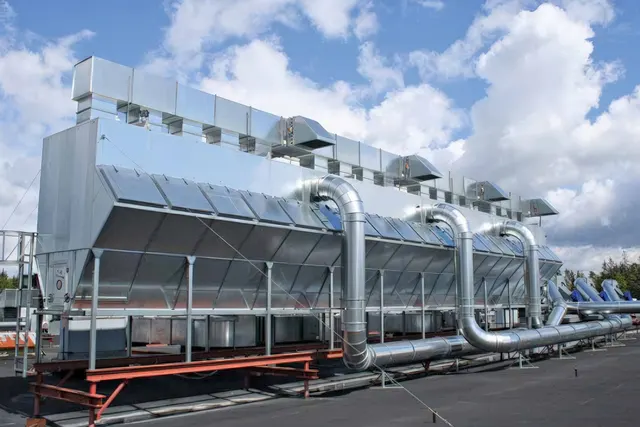
Ventilation involves replacing polluted indoor air with fresh outdoor air. A mechanical ventilation system extracts stale, polluted air from the indoor space and expels it outside. Conversely, the system blows fresh outdoor air into the space.
What is air purification?
Air purification removes (harmful) particles from indoor air. This is done using air purification systems. Filters in the systems capture polluted air and blow purified air back into the space.
The difference: air exchange vs air circulation
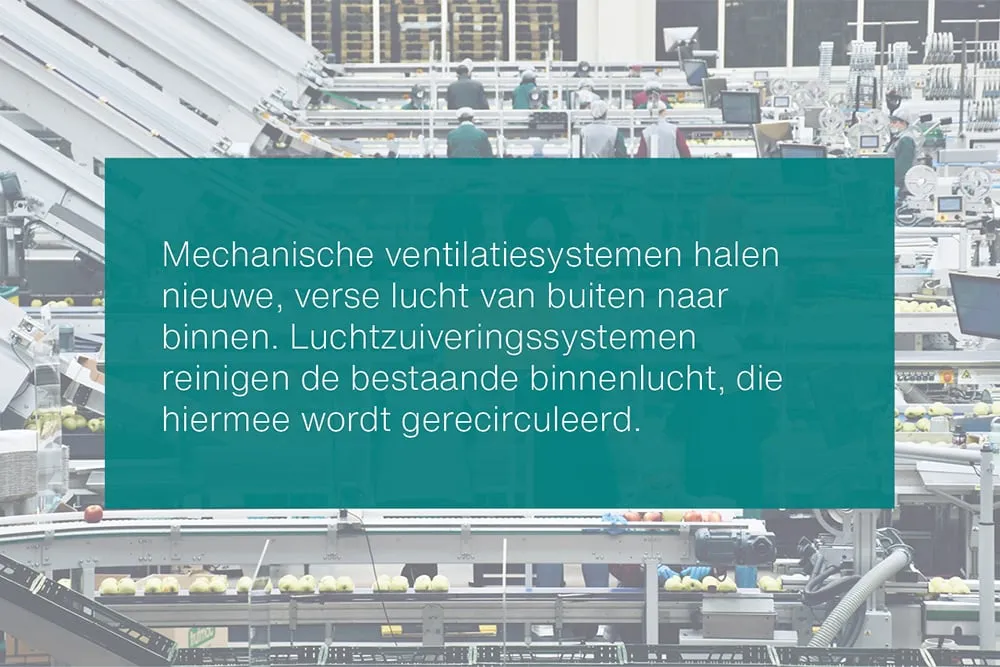
At first glance, the two systems seem very similar. There is, however, one important difference. Mechanical ventilation systems bring fresh air from outside into the building. Air purification systems clean the existing indoor air, which is then recirculated.
Mechanical ventilation alone is not enough
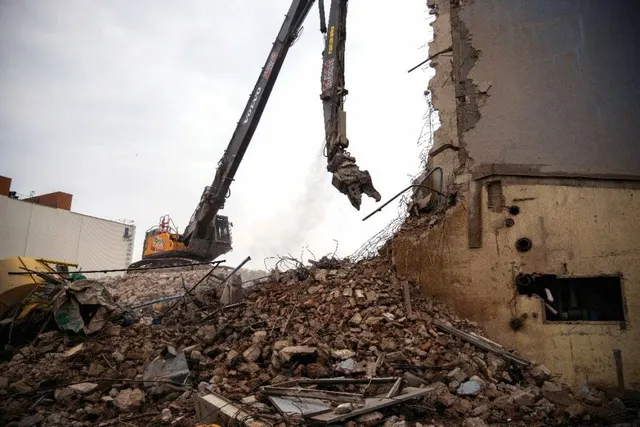
Mechanical ventilation reduces CO2 levels and increases the amount of oxygen in the air, among other benefits. But ventilation alone is not enough when large amounts of pollution are released into the air, for example when you cut, scrape and dismantle materials. (Harmful) particles still remain airborne and are still inhaled. What is more, ‘fresh’ outdoor air is often unhealthy and polluted too.
Air purification systems as a complement to your ventilation
You may know that some ventilation systems have filters. However, these only capture larger particles, while the smallest particles are the most dangerous to our health. Air purification systems are specifically designed to remove the many types of harmful particles from the air using different kinds of filters. They are therefore an ideal complement to mechanical ventilation.
The benefits
An air purification system captures airborne particles before they settle in your business or enter your employees’ lungs. This means:
- Healthier employees and lower staffing costs thanks to reduced absenteeism
- Less maintenance and fewer breakdowns affecting machinery, equipment and sensors
- Lower cleaning costs
- No contamination in your ventilation systems
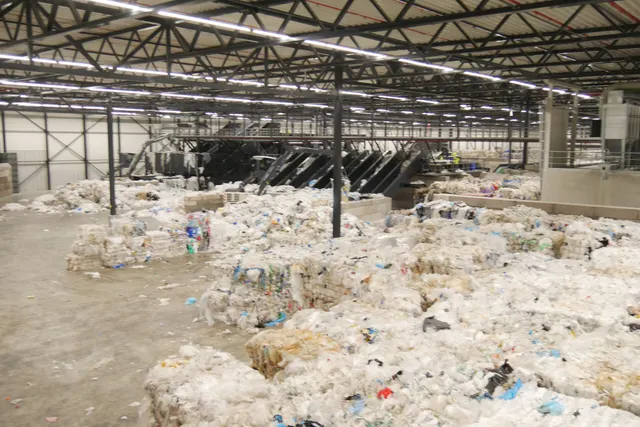
Air purifiers for recycling and waste processing
Want to find out more about how to improve air quality at your business? Or about the other benefits of clean air for your business, and how much you could save on cleaning costs? Read more on the Zehnder Clean Air Solutions website.
Een zakelijke vraag aan Zehnder Clean Air Solutions? Get in touch
Companies in this story

Keep following this
Get an email when a new story is published. No account needed.
- SubjectDust control
- CompanyZehnder Clean Air Solutions