












Organic waste recovery
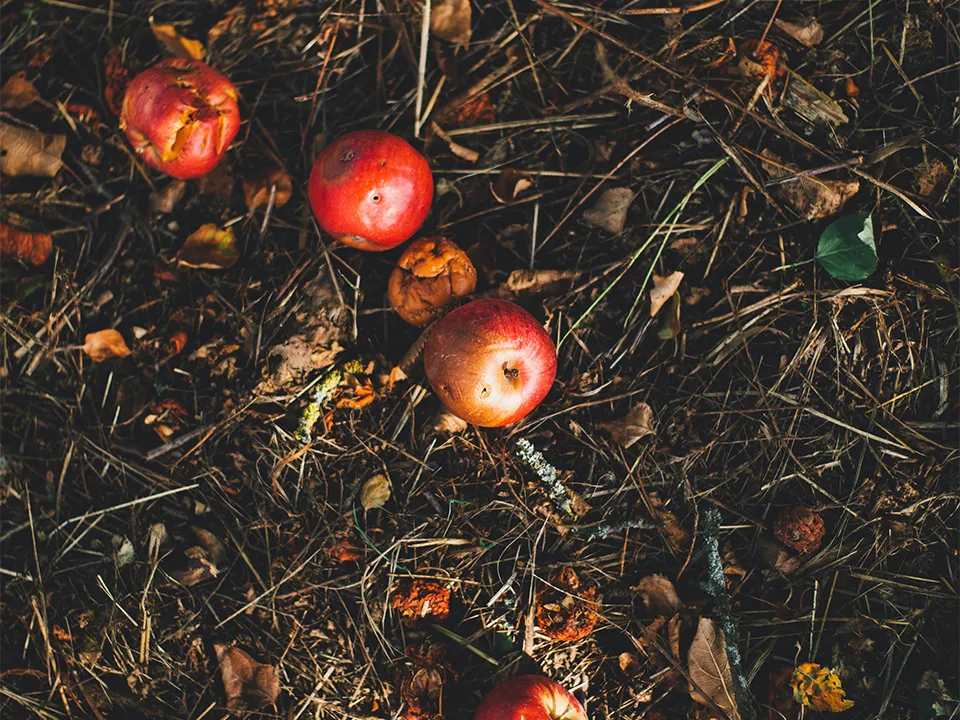
Organic waste makes up a significant proportion of residual waste.
According to a Walloon study on the composition of household and similar waste, 41% of household waste is organic. A 2020 study in the Netherlands puts the share of organic waste at 32%.
But what exactly is organic waste? It includes biodegradable garden or park waste, kitchen waste and food scraps, as well as similar waste from food processing. To reduce the proportion of organic waste in residual waste, Europe aims both to halve food waste and to ensure that all biowaste in the European Union is collected separately and recycled by 31 December 2023.
First Flemish sectors start sorting from 2021
In Belgium, these European targets are being implemented by the three competent regions. Some cities and municipalities already collect organic waste separately. To introduce separate collection of Organic and Biological Waste (OBW) gradually by 2023, certain sectors in Flanders (some hospitals, penitentiary centres, the hospitality industry, schools, etc.) must keep their OBW waste separate from 1 January 2021. By keeping it separate, these waste streams can be recycled through composting or anaerobic digestion. The first process produces compost that can be used on agricultural land. The second also produces a composted substrate for agricultural use, as well as biogas that can be converted into electricity (through heat recovery) or fed into the natural gas grid. It is therefore essential to make everyone aware of the importance of sorting waste properly at source, to create a homogeneous stream that can be turned into high-quality compost and biogas.
Question about this story? Ask your question
Keep following this
Get an email when a new story is published. No account needed.
- SubjectDenuo







