












Leaving no opportunity untapped for a strong recycling industry
Text Valérie CouplezImage Denuo en Wannes Nimmegeers
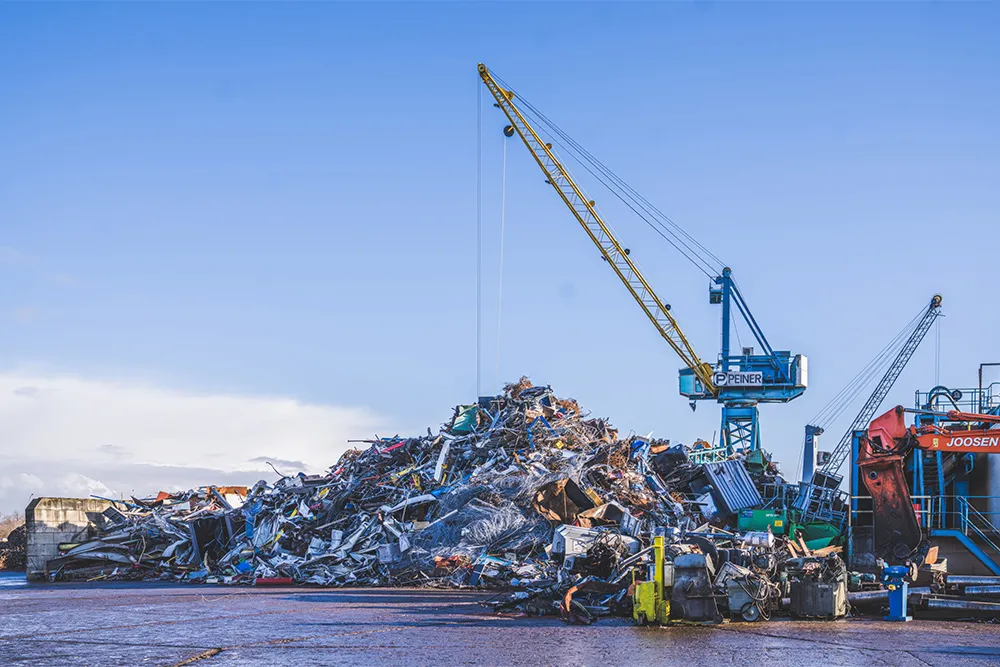
Denuo is the Belgian federation for the waste and recycling sector. In a world where raw materials are becoming scarcer and businesses want to produce sustainably, Denuo’s more than 250 members are the essential link between used materials and reuse, recycling and final treatment. A conversation with interim manager Patrick Laevers and Policy Director Aarnout Ecker about what lies ahead.
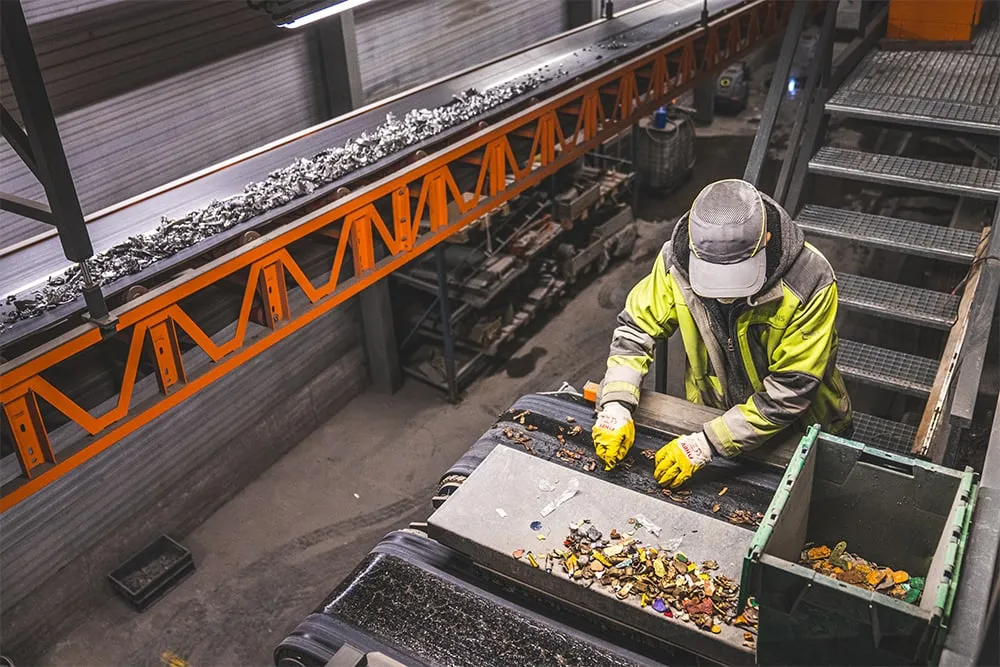
The search for a new managing director is well under way. Until the right candidate is found, Laevers is holding the fort as one of the longest-serving directors. “What we do today is no longer comparable with what we did twenty years ago. Since OVAM was founded in the 1980s, an industry has emerged that is now mature, with a mature federation to turn to. We want to be the first point of contact for everyone active in recycling and the circular economy.”
An increasingly European focus
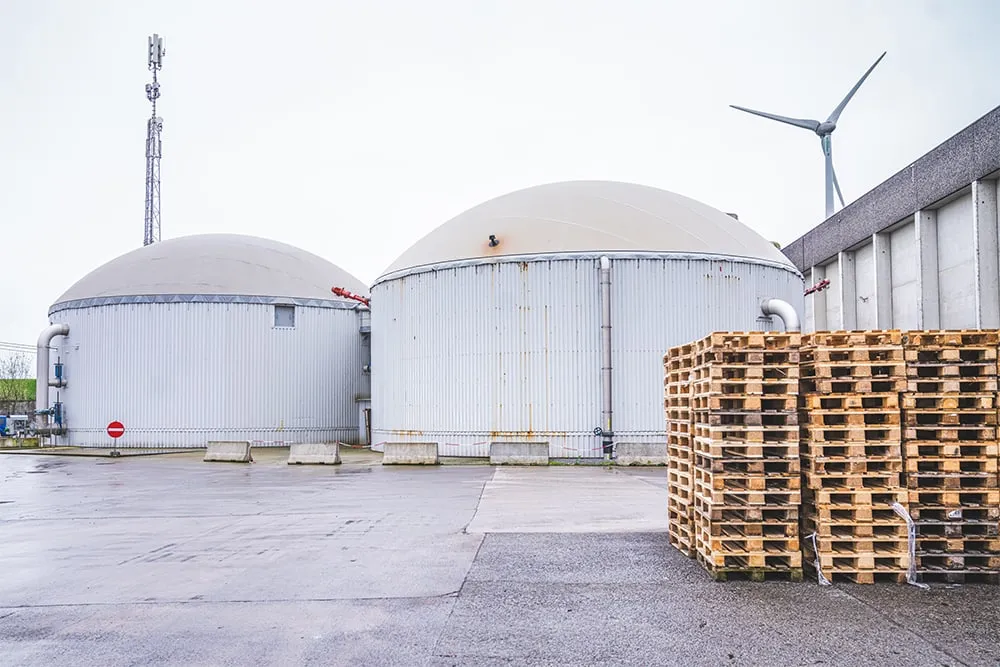
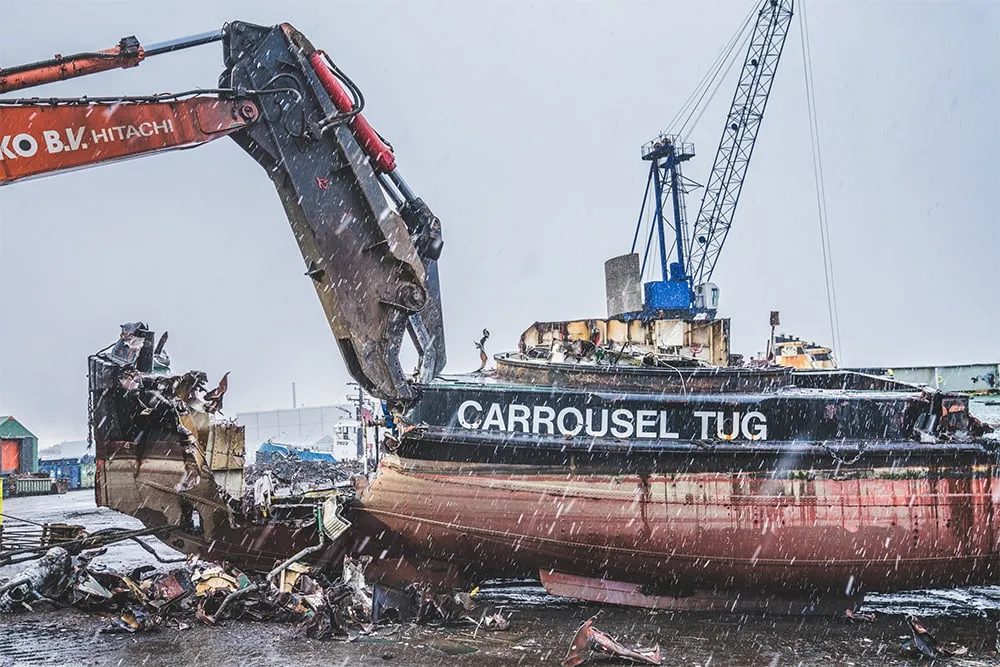
Lobbying is an important task, and not just in Belgium. Ecker: “Europe’s influence on waste policy is increasingly being felt. Things changed fundamentally during the last legislative term. In the past, countries were given a framework within which to develop national legislation. Now, the details are already being set at European level. The role of Member States is limited to implementation. The idea is to create a level playing field by no longer allowing different interpretations. But for Belgium, as a frontrunner in recycling, that can sometimes be a problem. There is less room to develop your own system, even if it performs better than what Europe prescribes.”
Insisting on quality
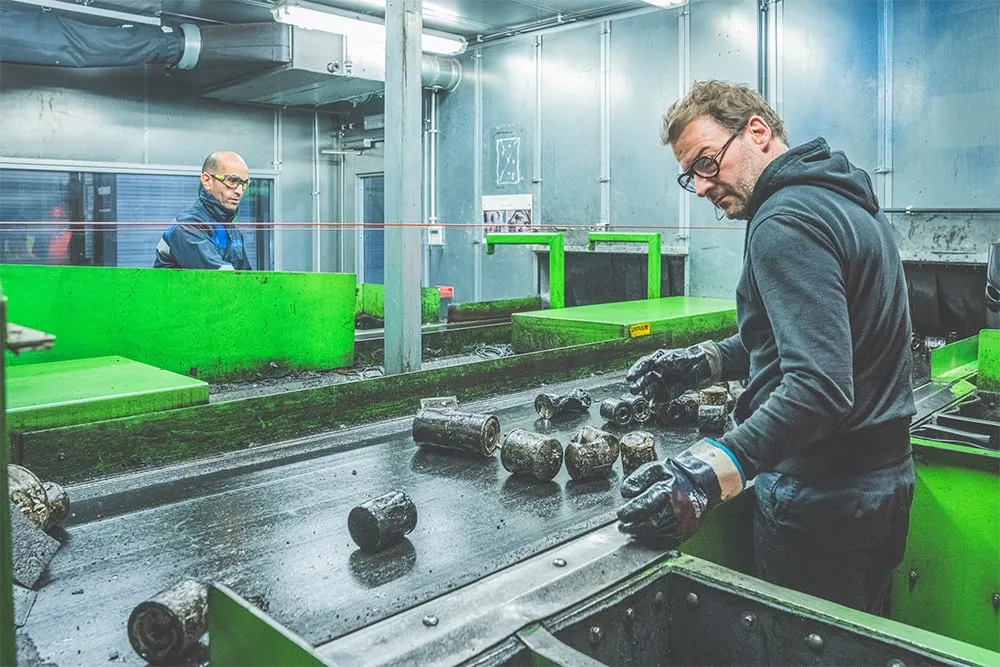
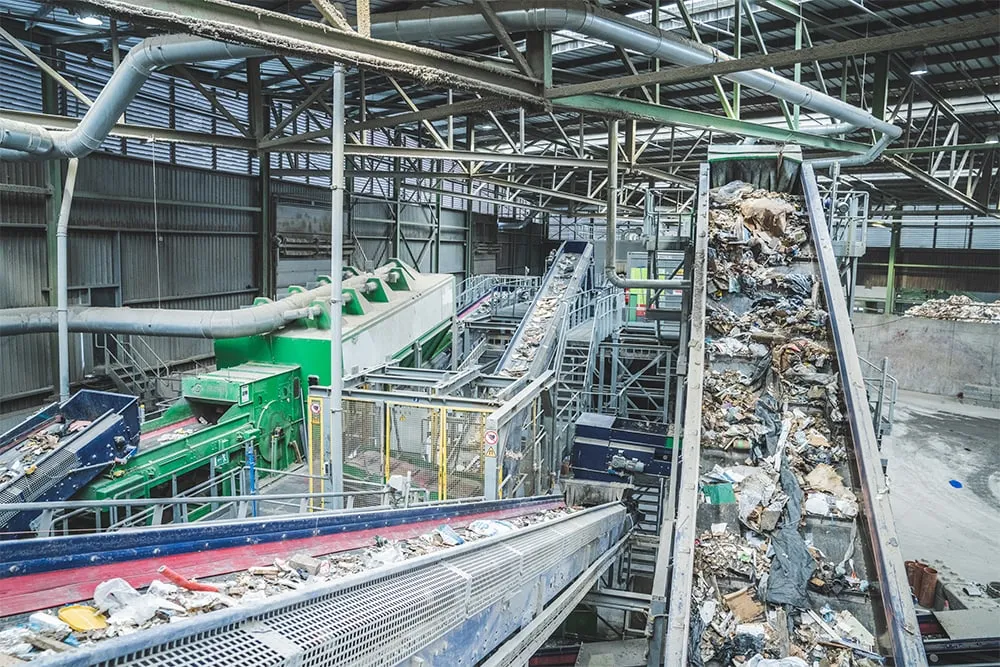
Nevertheless, Denuo continues to insist on achieving the highest possible quality. “But for us, that does not necessarily mean focusing solely on source separation. The economic impact of all those different containers and collection rounds also has to be taken into account. Society still has to be able to afford it all in the end. So if the sorting technology exists and delivers equally good results, why not do it the other way round? Economies of scale can then help reconcile economic and environmental goals,” says Ecker. This quality should make it possible to use more recycled content. “That also requires a change in mindset. When it comes to aluminium, nobody questions a bicycle becoming an engine block, but plastics are more sensitive. All waste streams and materials need to be included,” Laevers adds.

Urban mining
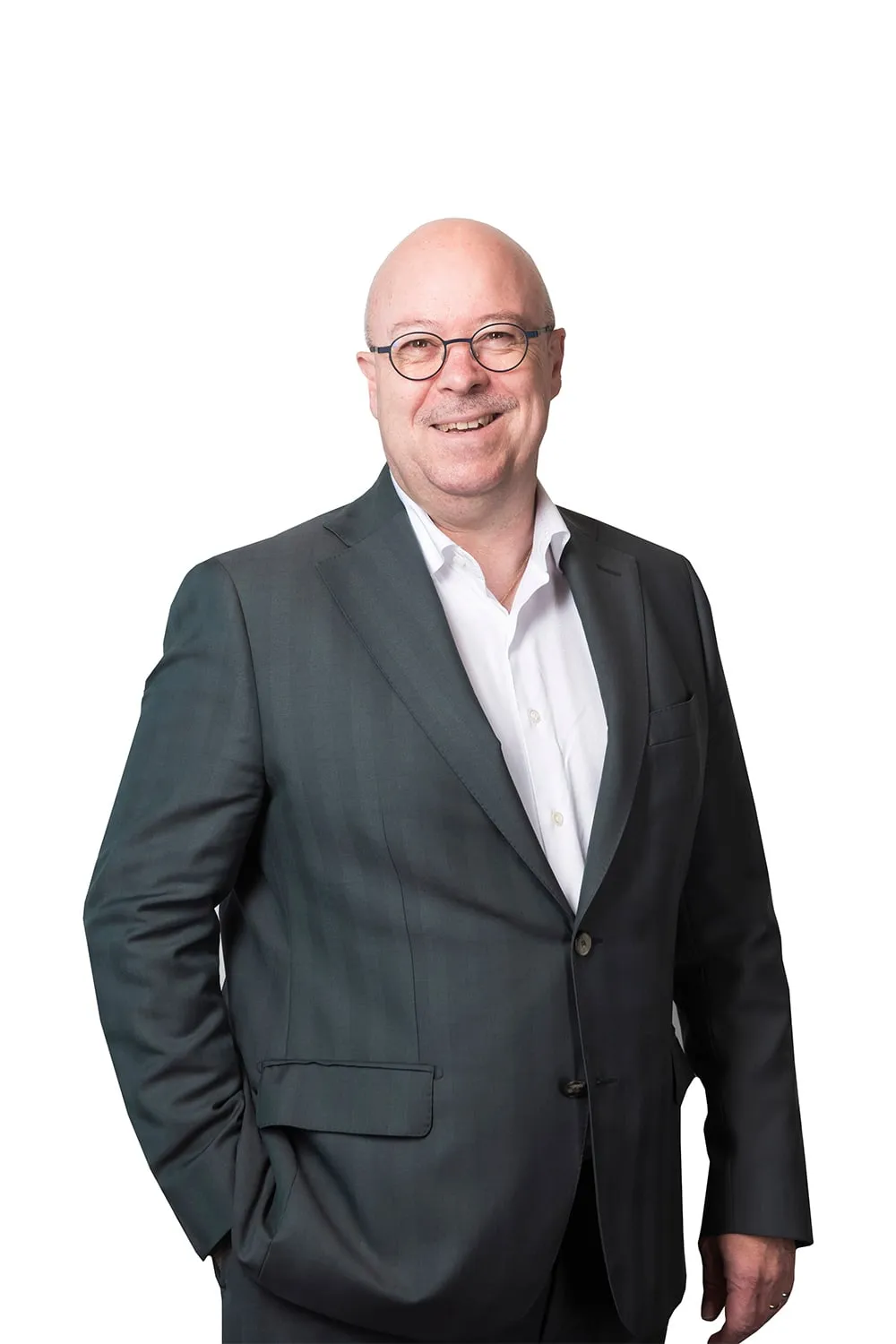
In the years ahead, then, we must leave no opportunity untapped to support a strong recycling industry. This realisation has also taken hold across Europe. Laevers: “We may not have raw materials in the ground here, but we can still extract them if we embrace urban mining. That would help address the shortage of critical raw materials and make us a little more self-sufficient and less dependent. Effective waste management and a strong recycling industry are key pillars in this. But we will have to reindustrialise to give those companies every opportunity to develop. I see it as a three-legged stool, bringing together nature conservation, self-sufficiency and reshoring. Yes in my backyard. Otherwise, others will put our waste, and therefore our raw materials, to use elsewhere.”
Improving legislation
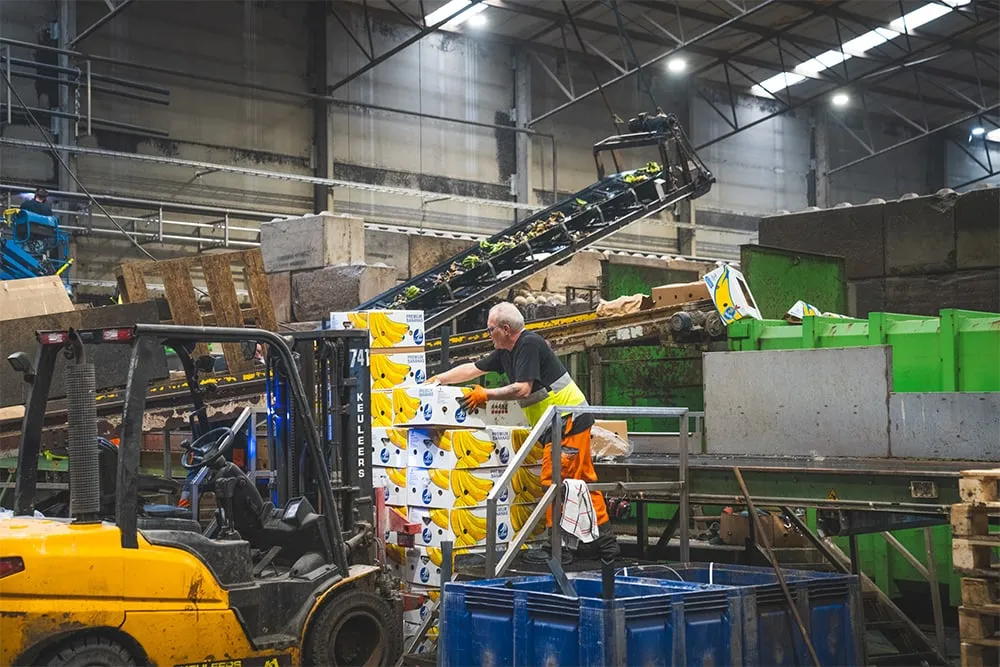
But it is time to stop introducing new regulations without a thorough impact assessment in advance. “We have just come through a very intense period in which nothing but additional rules were introduced. And that is a good thing in itself. Without the first set of environmental rules introduced over the past 40 years, we would never have built such a strong recycling industry. But at the same time, we must be willing to question them. Are all the rules currently in force still necessary? And could we not improve existing legislation instead of adding new rules? Regulation must not overshoot its aim. It must ensure that treatment processes work better and that a level playing field is created. It must not simply become a paper tiger,” Ecker adds.
Question about this story? Ask your question
Companies in this story

Keep following this
Get an email when a new story is published. No account needed.
- ThemeCircular business under changing regulations
- SubjectDenuo
- CompanyOVAM







