












German study finds low risk of Covid-19 transmission through textile imports and exports
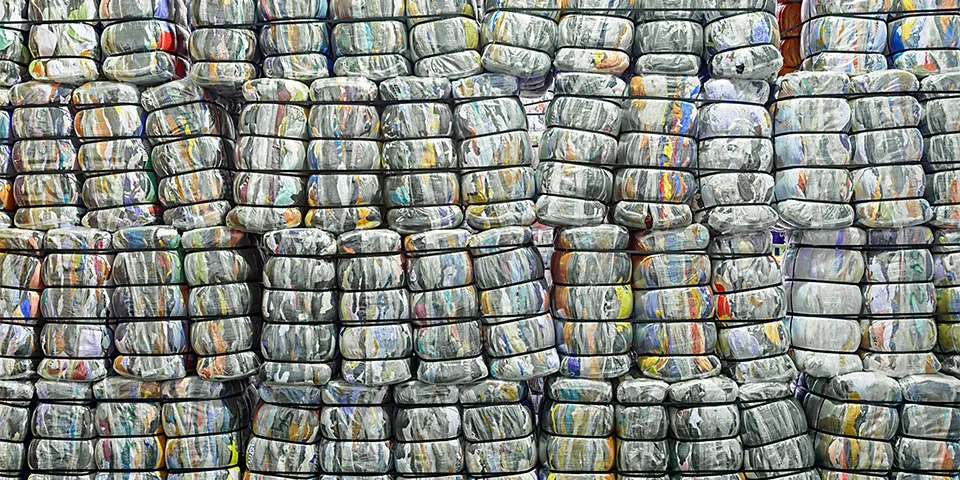
Many countries around the world, including Belgium, have restricted the free movement of certain goods to prevent the spread of coronavirus. In response, imports and exports of second-hand clothing have also been halted, based on the assumption that the textiles could be contaminated with coronavirus. However, a German study finds the risk of infection through textiles to be low.
Governments around the world have taken measures to protect their citizens from Covid-19. The suspension of textile imports and exports was also introduced for this reason, to protect dockworkers, transport company employees and workers at textile processing companies.
However, it is highly unlikely that these workers could contract coronavirus through old textiles. This is the finding of recent research by the Bundesinstitut für Risikobewertung in Deutschland (BfR). Based on the transmission routes established for coronaviruses to date and the low environmental stability of Covid-19, the institute concluded that it is unlikely that imported goods such as food, toys, tools, computers, clothing or shoes could be a source of infection.
Research suggests that the Covid-19 virus could survive on textiles for two days. The average transit time for used clothing to reach end markets in Africa or Asia is therefore generally much longer than the virus’s viability outside the body, even on hard surfaces.
Question about this story? Ask your question
Keep following this
Get an email when a new story is published. No account needed.
- ThemeMaking use of textiles and other waste streams
- SubjectDenuo







