












Carbon pricing for waste incineration: higher costs without genuine decarbonisation
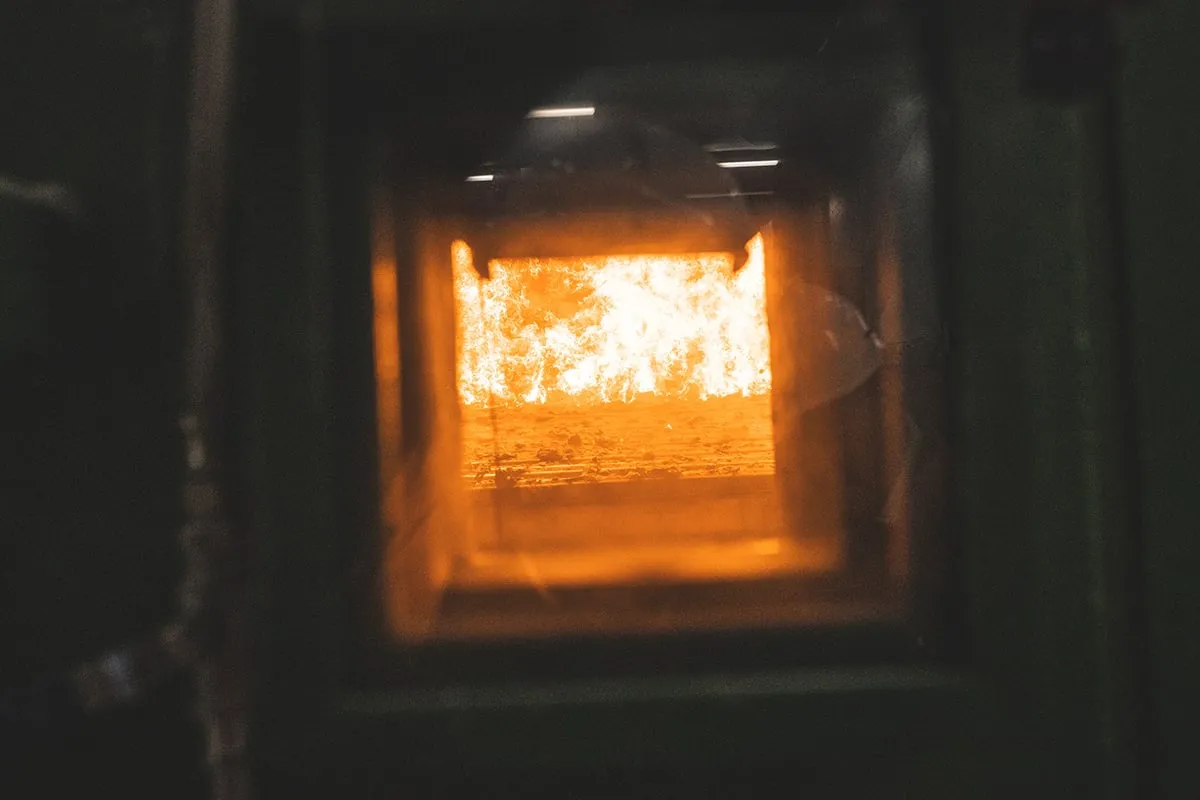
From 2028, waste incineration plants are likely to fall under the European Union Emissions Trading System (EU ETS). This means companies in the waste sector will have to pay for their CO2 emissions. A recent analysis by Energietransitie, a Dutch think tank within PwC, paints a bleak picture: higher costs, but little progress on sustainability.
Without a clear plan for allocating costs and responsibilities, carbon pricing risks driving up costs for municipalities and companies, without delivering significant decarbonisation. For example, so-called ‘gate fees’, the price companies pay to have waste incinerated, could rise by more than €40 per tonne by 2030. Although waste-to-energy companies can indeed reduce CO2 emissions, the most promising solution, Carbon Capture & Storage (CCS), remains financially unviable. The cost of CCS is higher than the price of CO2 emissions, so companies are unlikely to decarbonise quickly without additional subsidies.
A subsidy scheme tailored to the waste-to-energy sector could help accelerate decarbonisation. But until one is introduced, waste incineration plants look set to face rising costs rather than genuine progress towards a greener sector.
The full report is available on the Dutch PwC website.
Question about this story? Ask your question
Keep following this
Get an email when a new story is published. No account needed.
- SubjectDenuo







