












BAT Treatment of air emissions from waste processing: study resumes after lengthy pause
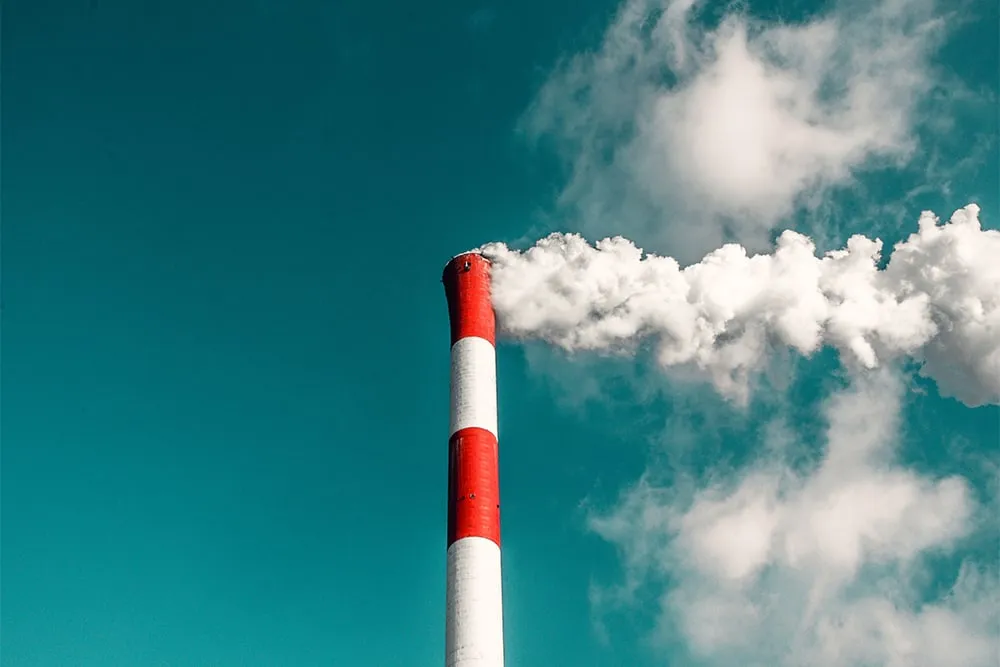
In 2022, VITO launched the study ‘BAT for controlling dust, odour and VOC emissions from physical-chemical and mechanical waste processing’. Commissioned by the Environment Department’s GOP division, the study aims to establish the Best Available Techniques (BAT) for controlling dust, odour and VOC emissions from waste processing. Work on the study was suspended for some time, but has recently resumed. Below, we provide a brief recap and outline the plans going forward.
The study was originally launched by GOP (the Department of Area Development, Environmental Planning and Projects) because, since the BREF Waste Treatment was transposed into VLAREM legislation, it has had many questions and uncertainties about the implementation of this BREF, including safety aspects and the distinction between Integrated Pollution Prevention and Control (IPPC) and non-IPPC. The aim of the study is to draw up uniform BAT conclusions on controlling emissions from waste processing. This would also make it possible to introduce, through this route, techniques defined at BREF level for non-IPPC companies (the BREF applies only to IPPC companies).
Key points
The main points addressed in the study are set out below:
- Preventing and reducing dust, odour and VOC (volatile organic compound) emissions from mechanical and physical-chemical waste processing;
- The study applies to both IPPC and non-IPPC companies, as identical techniques and processes are used for hazardous and non-hazardous waste, at both large and small capacities, whether or not the aim is recovery;
- Safety aspects (for example, dust explosions and fire), sustainable water use, energy consumption and storage are also taken into account.
Study beset by uncertainty and operational issues
Since the study began, there has been considerable uncertainty, mainly due to the unclear scope. It has not been clear which waste streams would be included in the study and which would be excluded. Separate European or Flemish BAT studies already exist for certain material streams. The scope is still not entirely clear, but a baseline list of streams has been drawn up (see below). As a result, work on the study was suspended for a time, and VITO announced a revised timetable at the end of 2023. This timetable has been delayed, but the structure has been retained.
Uncertainty over scope remains an issue
The scope of the study remains a sticking point, so Denuo discussed it with VITO in a one-to-one meeting. Additional information emerged during the meeting. The study currently covers 22 waste streams, but some questions remain, for example, how soil, stones and sand will be handled. Some of the streams included still seem less relevant or logical. Denuo therefore urged VITO to reassess, together with GOP, the streams included in the scope, drawing on one or more permit applications. VITO will discuss this further. To be continued …
Question about this story? Ask your question
Keep following this
Get an email when a new story is published. No account needed.
- SubjectDenuo







