












The end of the recycling economy
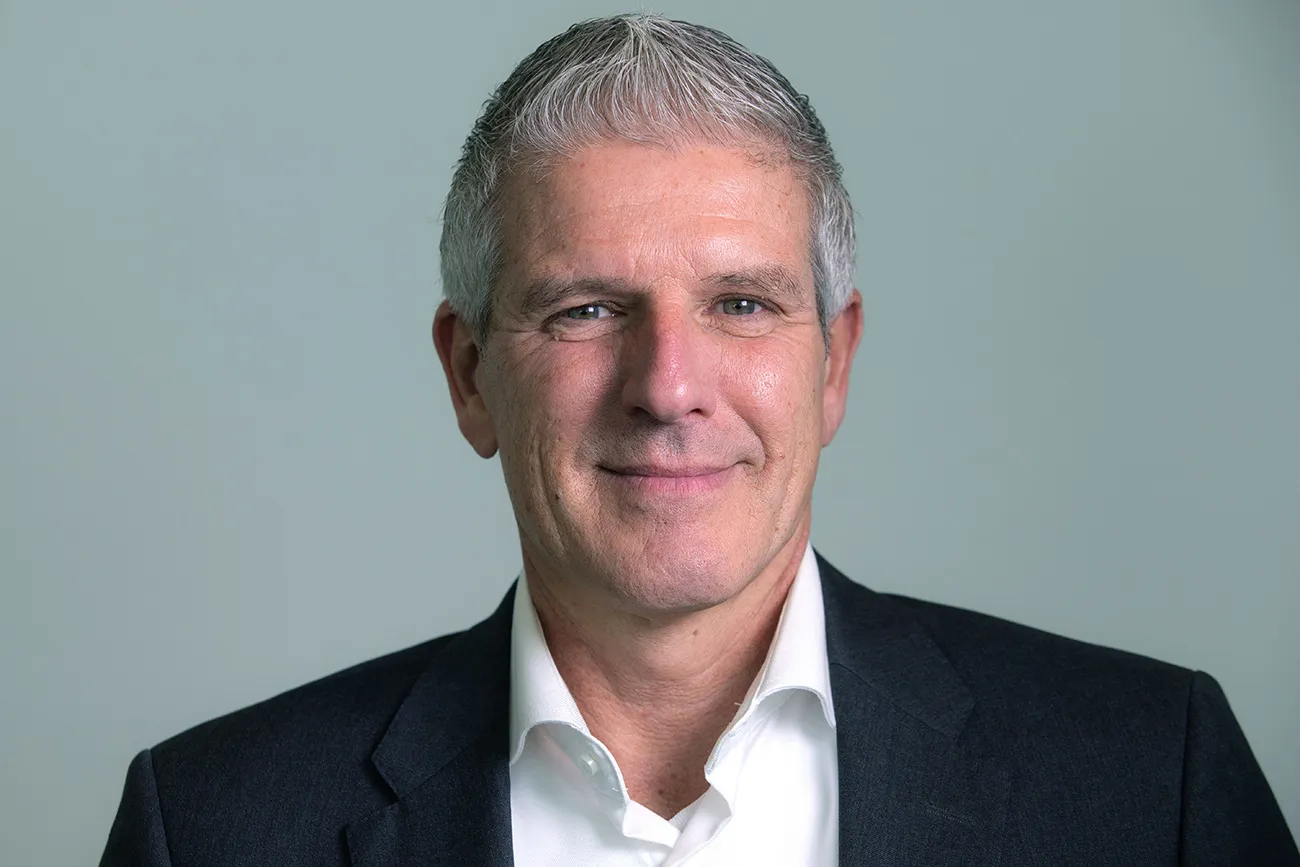
As I drove to Hamburg in 2006 for a five-day training course to become a Cradle 2 Cradle Consultant, I genuinely wondered what to expect. I had only just got used to the sustainability hype that emerged at the beginning of the 20th century, and now someone had come up with something new: ‘Waste is food’…….nice.
For a traditional waste operator from Delft, it took some getting used to: moving from linear to circular, waste no longer existing, and a German professor cracking the most terrible dad jokes of the time. It was no easy task to look beyond my old recycling paradigm and understand a new circular science, with the emphasis on science, because it was not to be called philosophy. Still, after about three days, the principles began to sink in, and it became clear how our society could transform from a linear economy, via a recycling economy, to a circular economy. The three basic principles, celebrate diversity, use solar income and waste equals food, work together to keep our planet liveable and minimise the use of primary raw materials.
The idea behind Cradle 2 Cradle was an extensive yet accessible certification scheme that showed how a product was progressing from linear to circular. This was based not only on the main themes, but also, for example, on toxicity. Pioneers such as Mosa, Desso, Ahrend and van Gansewinkel stuck their necks out and set a good example. Many companies followed, and a movement gathered pace. Perhaps that movement was the circular economy’s greatest success: rethinking, redesigning, reusing and taking a supply-chain approach.
Today, twenty years after the first edition of the book ‘Cradle 2 Cradle: Afval is voedsel’ was published, my conclusion is that we have made little progress towards achieving a circular economy. From 3D-printed plastic benches to financial institutions operating nationwide, everyone calls themselves circular, but whether they really are is another matter.
In the construction sector, only 8% of construction materials are used circularly (meaning the same raw material is used at least to an equivalent standard), while 88% of old construction materials are recycled. As the PBL stated in its 2023 Integrale Circulaire Economie Rapportage: ‘halving Dutch raw material use by 2030 will not be achieved with current trends’, this reinforces my belief that the end of the recycling economy is not yet in sight. We must pull out all the stops to bring a circular economy into view, while cherishing and preserving the well-functioning recycling economy until it is genuinely no longer needed.
BRBS Recycling is working to achieve the latter by calling for realistic, workable laws and regulations, and putting forward good alternatives.
Otto Friebel
Director, BRBS Recycling
Question about this story? Ask your question
Keep following this
Get an email when a new story is published. No account needed.
- SubjectBRBS Recycling






