












“More and more responsibility is being placed on producers”
Text Valérie CouplezImage BRBS
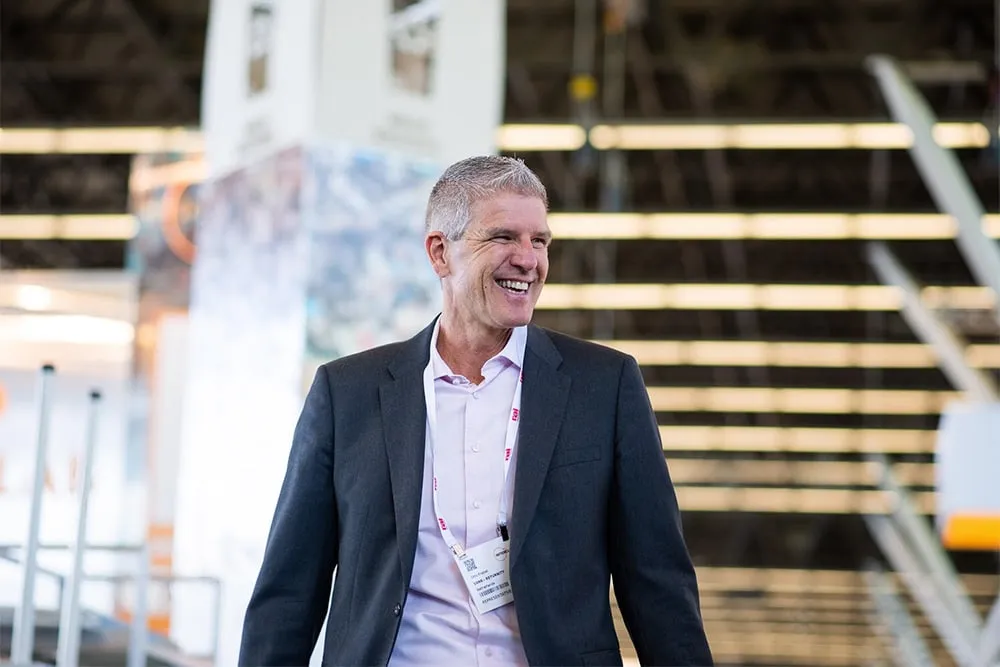
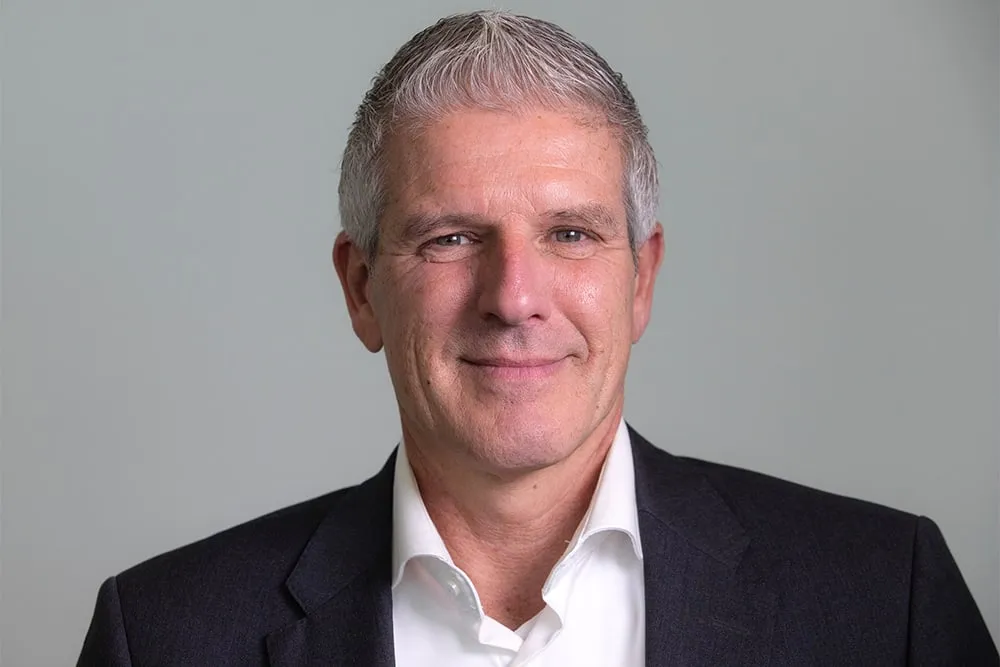
A grey eminence, in both the literal and figurative sense, with more than 30 years of experience in recycling. Yet Otto Friebel, director of the Dutch Association of Crushing and Sorting Companies (BRBS), is far from burned out. “The various trade associations and federations have worked hard in recent years to help the Netherlands reach the top of the European recycling league. Now is the time to speak with one voice as well, to reach political stakeholders more effectively and achieve even more together. I hope I get to see that in my twilight years,” he laughs.
It was the Americans who lit the fuse and ignited Friebel’s passion for recycling. “In the 1990s, American companies invested in waste collection and recycling here in the Netherlands.” After a paper mill in Delft where he was working went bankrupt, he found himself in the fascinating world of waste and recycling. The American company BFI acquired both small and large recycling businesses in the Netherlands and transformed them into one large, unified group. “That was still a bit of the old economy: bringing in a lot of volume, processing it and sending it on to landfill or incineration. Back then, it was all about the money. Looking at the sector today, I see a younger generation taking the reins at many of our members’ companies. They are not doing it just to earn a living, but out of a commitment to making the world a little better through their work. There is growing recognition that things need to change. I believe our sector is innovative enough to develop new technology to make that happen.”
Ban on landfilling
According to Friebel, the most important milestone in the evolution of the recycling industry came as early as ’95. “With the ban on landfilling construction and demolition waste,” he explains. “Together, these accounted for around one third to half of the waste produced at the time. That was a substantial mountain of waste for which recycling solutions now had to be found. The ban led us to improve our sorting and become increasingly innovative in recycling. You can impose a ban, but what comes next is just as important. You need an end-of-waste regime to create a market for those materials. That is no easy task, as it involves extensive legislation and process management. Thanks in part to BRBS’s efforts, we have now established this nationally for recycled aggregate. We want to put it on the European agenda and develop it for other materials such as gypsum, too. It makes it easier to return materials to the economy, provided their quality is good.”
More than materials
Friebel’s personal game-changer was a course in cradle-to-cradle philosophy. “Recycling is often all about materials. But the materials also need to be good and safe to recover. That takes us right back to the start of the process: what goes into a product and how we make it so that it can be easily recycled later. More and more responsibility is being placed on producers. They need to ensure good product design, develop efficient return logistics and do all this at an acceptable cost. Perhaps in future we should also dare to take a fresh look at the existing EPR systems and the thinking behind them. The key is to achieve high, proven quality. That is needed to ensure recycled concrete aggregate can be used as concrete again, rather than simply as a sub-base in road construction. Or in other high-value applications that we do not yet know about. If we all succeed in that, we will also become far less dependent on the geopolitical situation. That is what is so good about our industry: for every problem we encounter, there are people who come up with an innovative solution,” Friebel concludes.
Question about this story? Ask your question
Keep following this
Get an email when a new story is published. No account needed.
- SubjectBRBS Recycling






