The waste sector is drawing the line
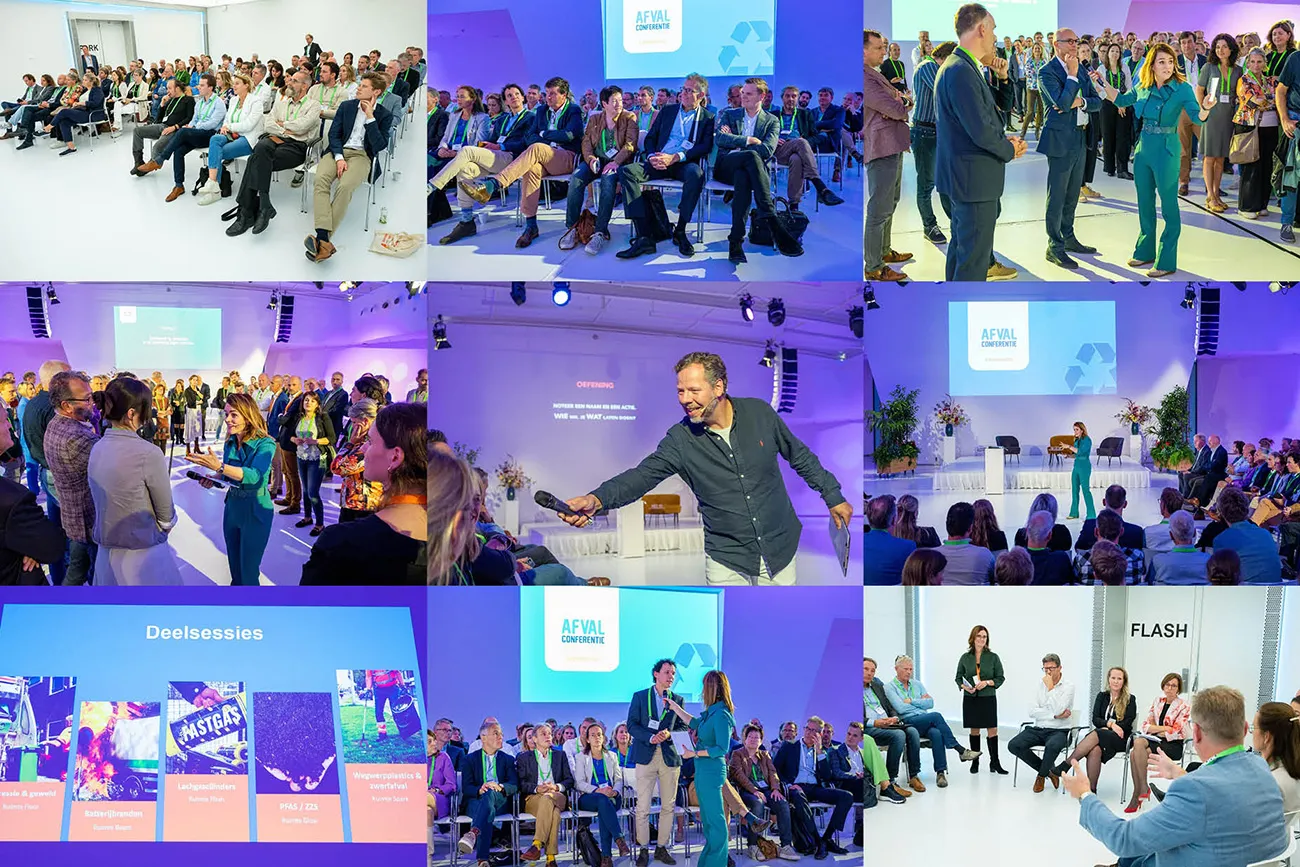
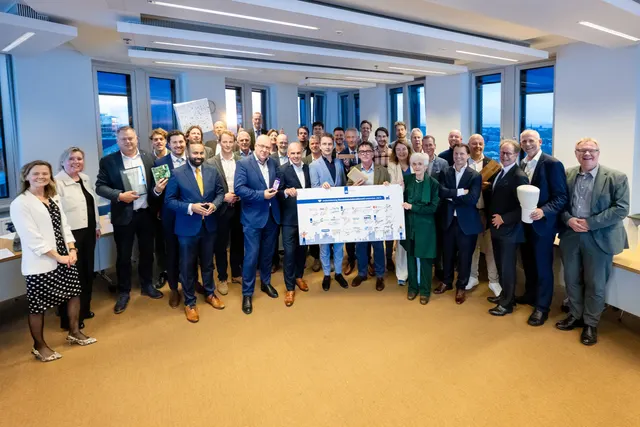
The waste sector needs to set boundaries more often. Issues such as explosions caused by nitrous oxide cylinders, fires caused by vapes and aggression towards waste collectors leave no room for compromise. ‘Thus far and no further’ was therefore the theme of the 2023 Waste Conference, organised by the Vereniging Afvalbedrijven and NVRD on the first Wednesday in October. Drawing the line is necessary, but in practice it is not always easy.
“How far can you go in clearing up other people’s mess?”, asks conference chair Sofie van den Enk, known for the programme Keuringsdienst van Waarde. She compares the waste sector to the tiny nail holding up the Mona Lisa: a crucial component, but invisible in the background and only noticed when it is gone.
Further up the chain
Drawing the line is particularly important now. “We can see that the government is falling short when it comes to setting boundaries. We are reaching a point where we, as the waste sector, need to do this ourselves more often,” says Boris van der Ham, chair of the Vereniging Afvalbedrijven. Setting boundaries does not come naturally to the industry, says Henry Meijdam, chair of the NVRD. “We are naturally a service sector that solves societal problems at the end of the chain.” If we want a circular economy, the chairs say, boundaries need to be set further up the chain for producers and consumers.
Growling at the boundary
Behavioural scientist Ben Tiggelaar is an expert in setting boundaries. How do you get people on board with change? In his keynote address, he gives the audience practical tips, such as ‘believe that it can be done’, ‘set out small steps’, ‘be consistent in your message’ and ‘show people and let them experience that it works’. But what if boundaries are crossed? “Sometimes you have to growl. Think of three ways in advance to say ‘thus far and no further’: green, with gentle language when the risk is low; orange when the danger is greater; and red, with direct language when there is a serious threat.” One issue is dark red for the sector: nitrous oxide cylinders, which regularly explode in collection vehicles and at waste companies. Van der Ham says: “We are drawing a line in the sand. The Opium Act prohibits nitrous oxide, but it is still widely used. The cylinders end up in residual waste and pose a danger to our employees and equipment. That is unacceptable. Those damn things need to be disposed of properly.”
A collective effort
Fires break out at waste companies all too often, caused by exploding products. A new and growing hazard is electronic cigarettes, or vapes, whose batteries can explode when exposed to heat or damaged. The limit has also been reached when it comes to increasing aggression and violence. It is high time for the silent majority to say: ‘thus far and no further’. Although the waste sector is drawing the line, solving these issues requires a collective effort by governments, waste companies, producers and importers. “We need to move forward together,” says Henry Meijdam on behalf of the sector. “We need to understand each other’s problems, be willing to consider solutions to them, and reach out to one another to help resolve them.”
Question about this story? Ask your question
Keep following this
Get an email when a new story is published. No account needed.
- SubjectVereniging Afvalbedrijven