Innovations in the Dutch waste sector
A wide range of technological advances has raised the standard of waste management in the Netherlands. In a series of articles, the Vereniging Afvalbedrijven puts innovations by its members ‘in the picture’. An expert at each company talks about the innovation, as well as their own motivation and passion for the job. The waste sector is an interesting employer where people work on solutions to today’s societal challenges, such as climate change, scarce raw materials and the circular economy.
Creating a biodiversity hotspot
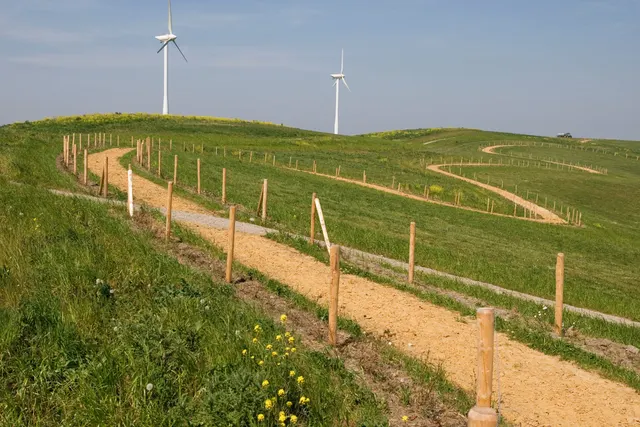
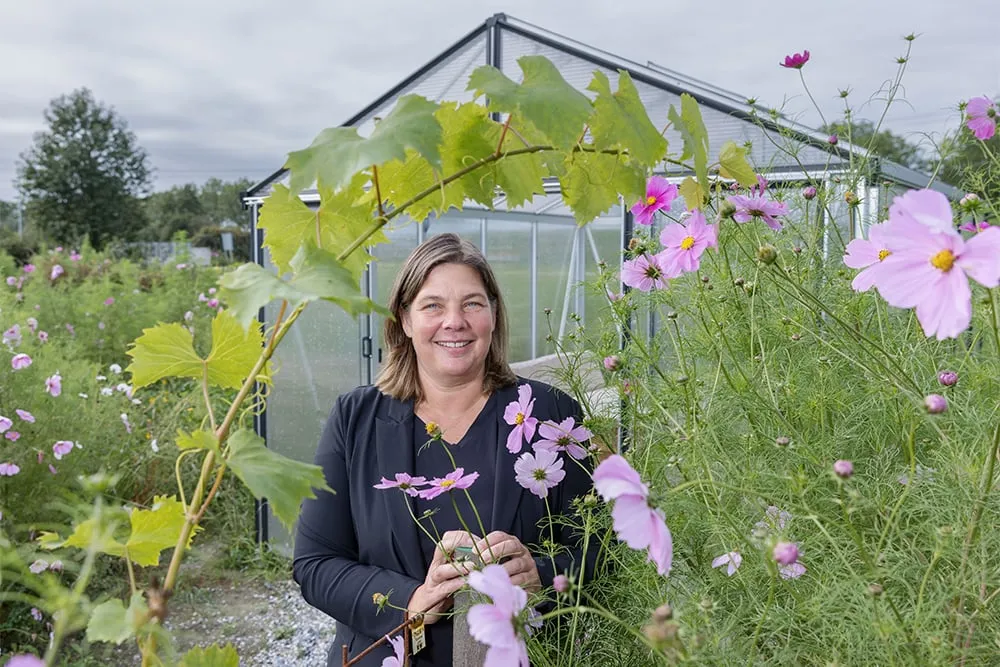
At Ecopark De Wierde, Omrin’s site in Heerenveen, which includes a landfill, anaerobic digestion plant and sorting and processing facility, the company is taking numerous measures to boost biodiversity, the variety of species that is under severe pressure in the Netherlands. In the seventh instalment, Renate van Opzeeland, Omrin’s site and community relations manager, explains: “These include smart mowing practices and planting trees and shrubs, bee hotels, a butterfly hop-over, nesting sites for insects and birds, specialist reed management and nature-friendly ditch banks. Our new addition is a pick-your-own garden. Everyone is welcome to pick flowers and fruit there, because we also want to raise awareness among our employees and the surrounding community.” An upcoming expansion of Ecopark De Wierde will create opportunities to further boost biodiversity. To plan the site, Van Opzeeland sought input from the surrounding community. “The community would like less nuisance from odour, noise and the view. The expansion offers opportunities to address this.”
Working for a waste company gives Van Opzeeland great satisfaction, with ‘no two days the same’. “As a chemical engineer, I started out in waste stream acceptance, but by now I’m doing completely different things. Developments in the waste sector are moving so fast. It’s really varied. I feel that I’m making a real contribution.”
Tailored sewer management: less maintenance, fewer breakdowns
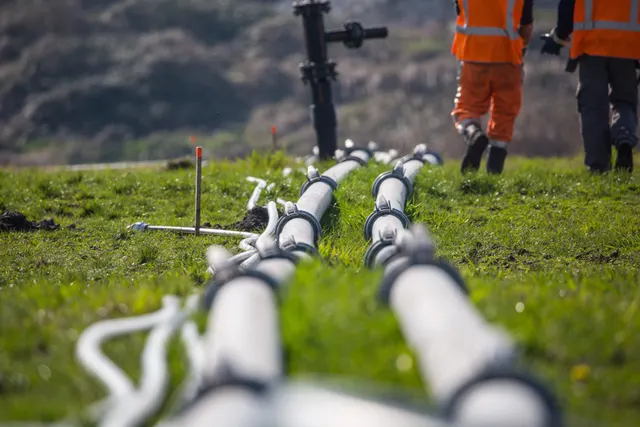
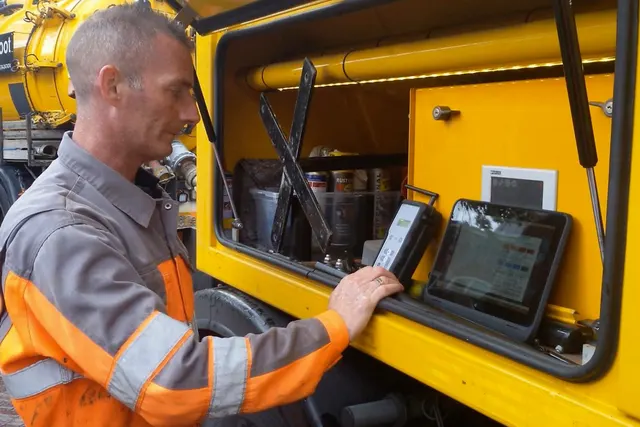
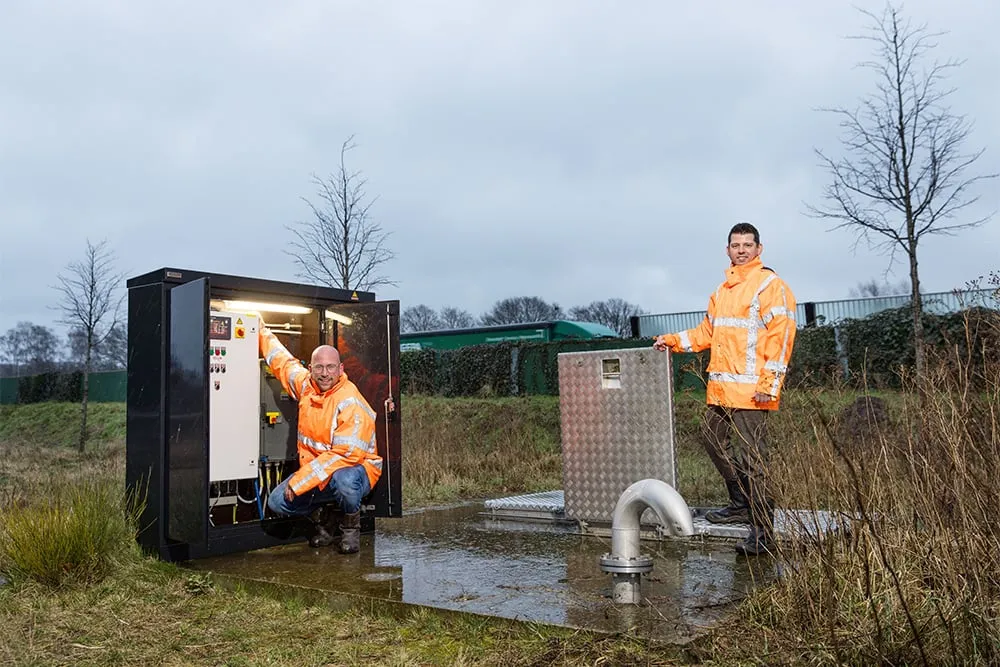
In the eighth instalment, Joep Bekkers and Stefan Beerten of REMONDIS Smart Infra discuss their innovative contract model for maintaining pumping stations. “It takes a lot of engineering to get rainwater and wastewater from household connections to a wastewater treatment plant,” says Beerten. Beneath our feet lies an advanced network of pipes and pumping stations. All those pumps require regular maintenance. Until now, municipalities have generally signed standard maintenance contracts for this work. But every pump is different. Some require intensive maintenance, while others can go longer between services.
The municipality of Oost Gelre has 780 pumping stations. The municipality and REMONDIS Smart Infra have signed an innovative collaboration agreement covering them. “Unlike a standard contract, the agreement doesn’t spell out every detail. We now work closely with the municipality. We draw up a risk profile for each installation. Based on the risk analyses, we determine where more frequent maintenance or cleaning is needed and where it is needed less often. Instead of an annual service, pumps that are heavily used or carry a high risk of failure receive additional maintenance,” says Bekkers. Beerten adds: “That also means fewer vehicle movements and therefore lower CO2 emissions.” This approach makes the work more enjoyable and interesting for technical staff. Less repetitive work, more skilled technical work. The team has the freedom to optimise the entire system.
Question about this story? Ask your question
Keep following this
Get an email when a new story is published. No account needed.
- SubjectVereniging Afvalbedrijven