












You can make almost anything from granulate, including toys
Remarkable partnership with Playmobil
Various studies show that around 50% of electrical and electronic equipment placed on the market is returned for proper recycling. Just half, in other words. Yet considerable efforts are being made by all kinds of producer responsibility organisations, government bodies, industry associations and companies to increase this figure, for both household and professional waste. The recycling target is 65%, so there is still a long way to go …
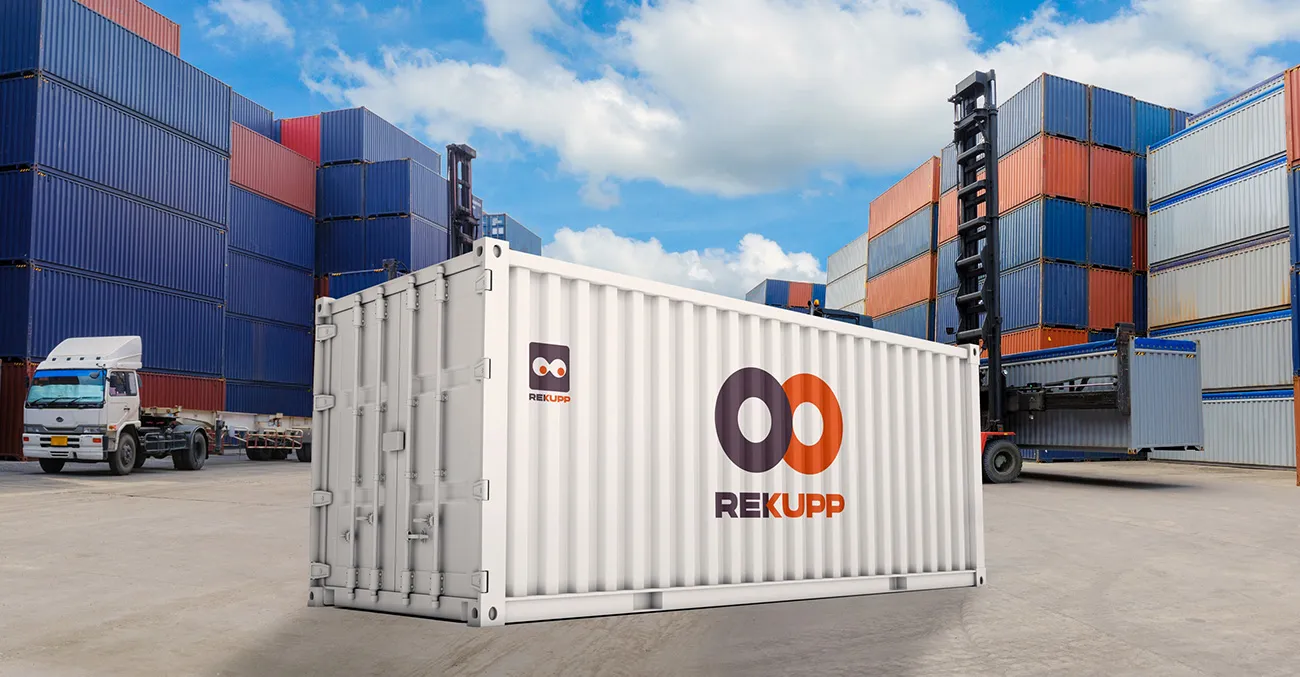
One of the companies making considerable efforts to raise that figure is Coolrec, a subsidiary of Renewi Specialities. The WEEELABEX/Cenelec-certified company is a major European circular economy player in the treatment of waste electrical and electronic equipment. It is the market leader in refrigerator processing in the Netherlands and Belgium. Through an international network of sites across the Netherlands, Belgium and France, Coolrec recovers plastics and ferrous and non-ferrous metals from WEEE (Waste Electrical and Electronic Equipment) and turns them into secondary raw materials. In recent years, it has invested heavily in extracting as much value as possible from these secondary raw materials. This enables Coolrec to engage with a range of industrial end processors across Europe.
Mechanical recycling of waste materials
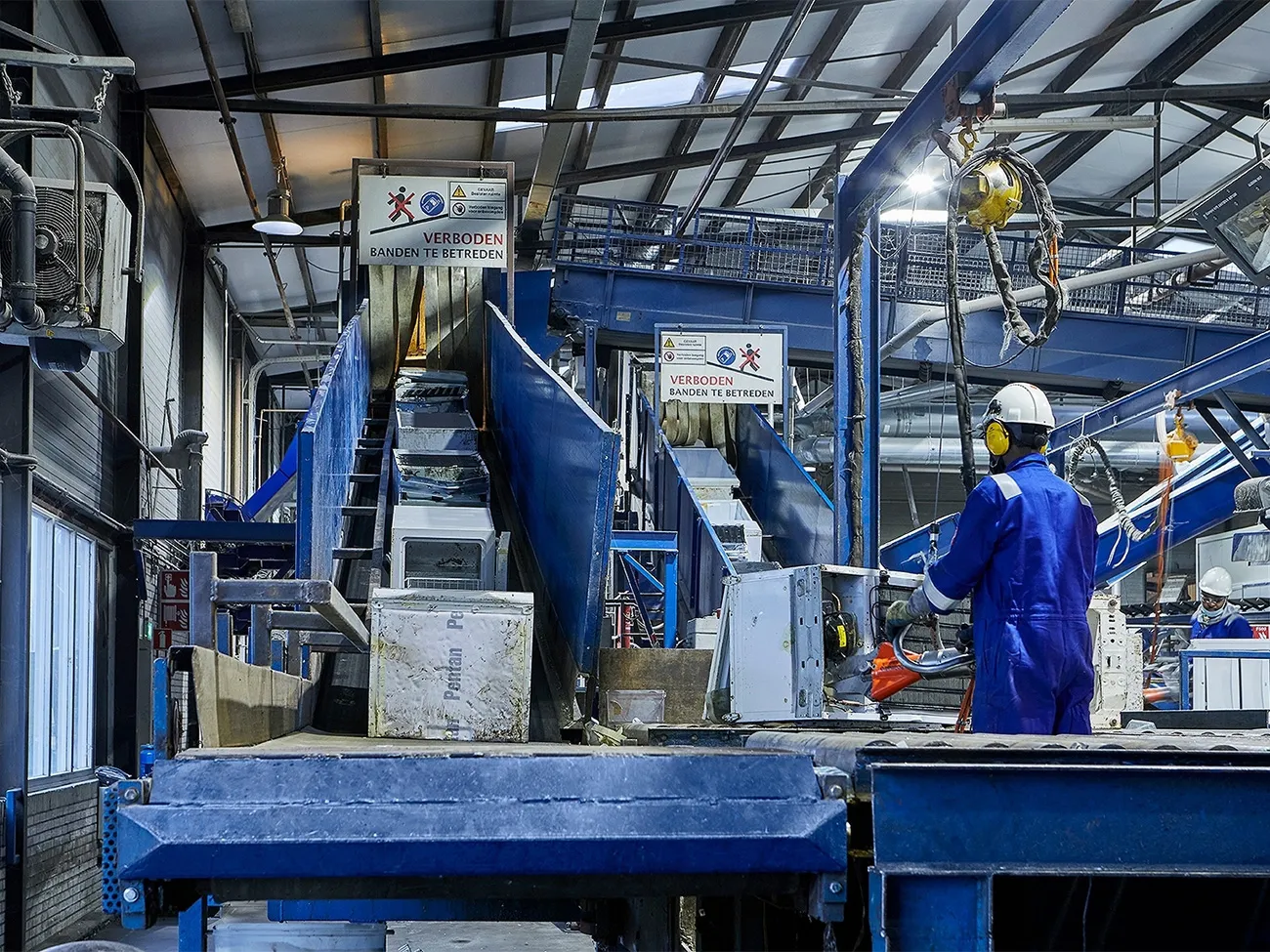
Wim Pype, Sales Manager: “We specialise in the mechanical recycling of waste electrical and electronic equipment. Since 1991, we have been helping to increase recycling rates and have operated in three countries: Wandre (BE), Waalwijk and Dordrecht (NL), and Lesquin (FR). We do this across four production sites, three for e-waste recycling and one for producing recycled plastics, with no fewer than 220 highly motivated employees. They are the heart of our company.”
Partnership with Playmobil
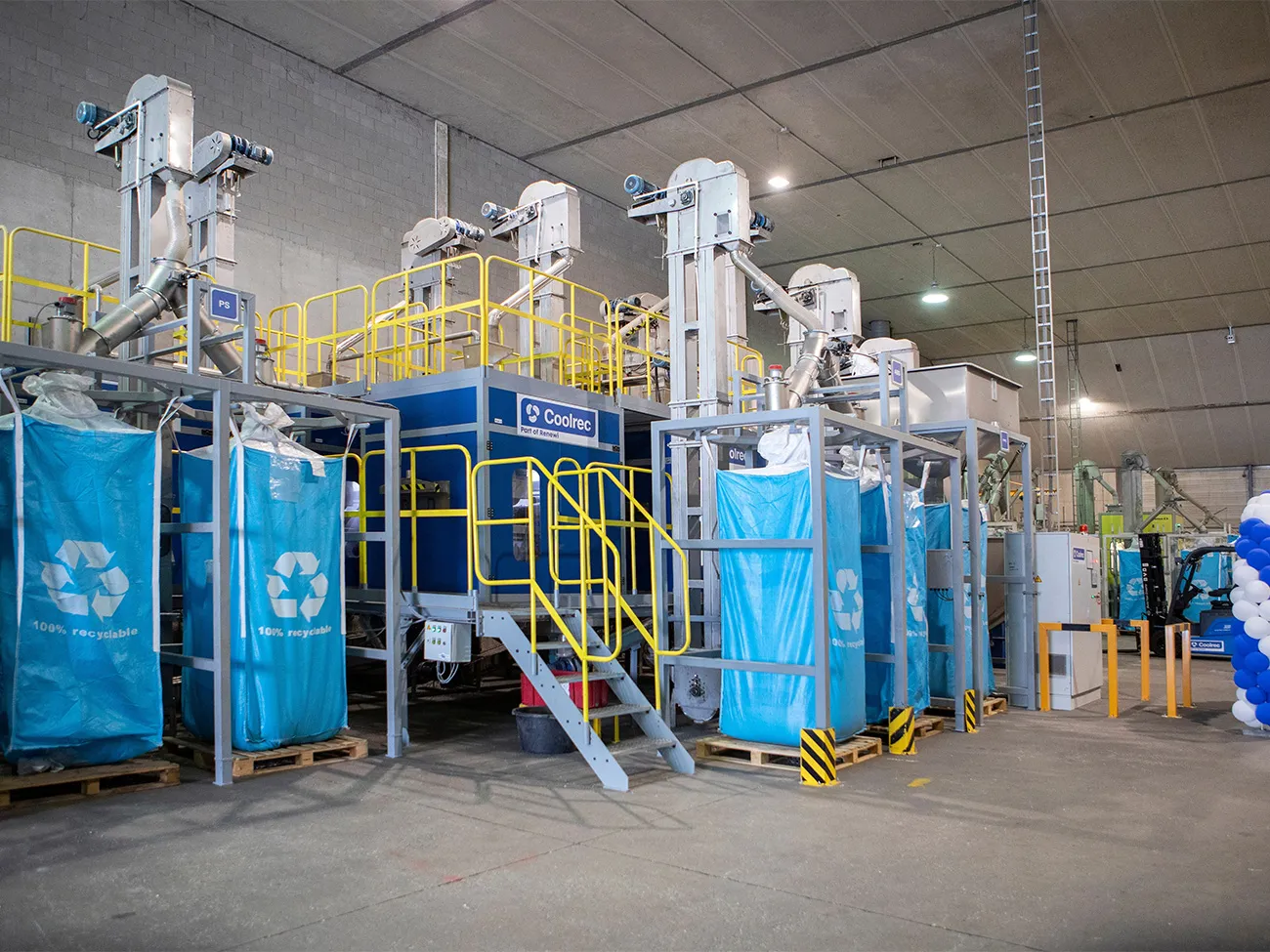
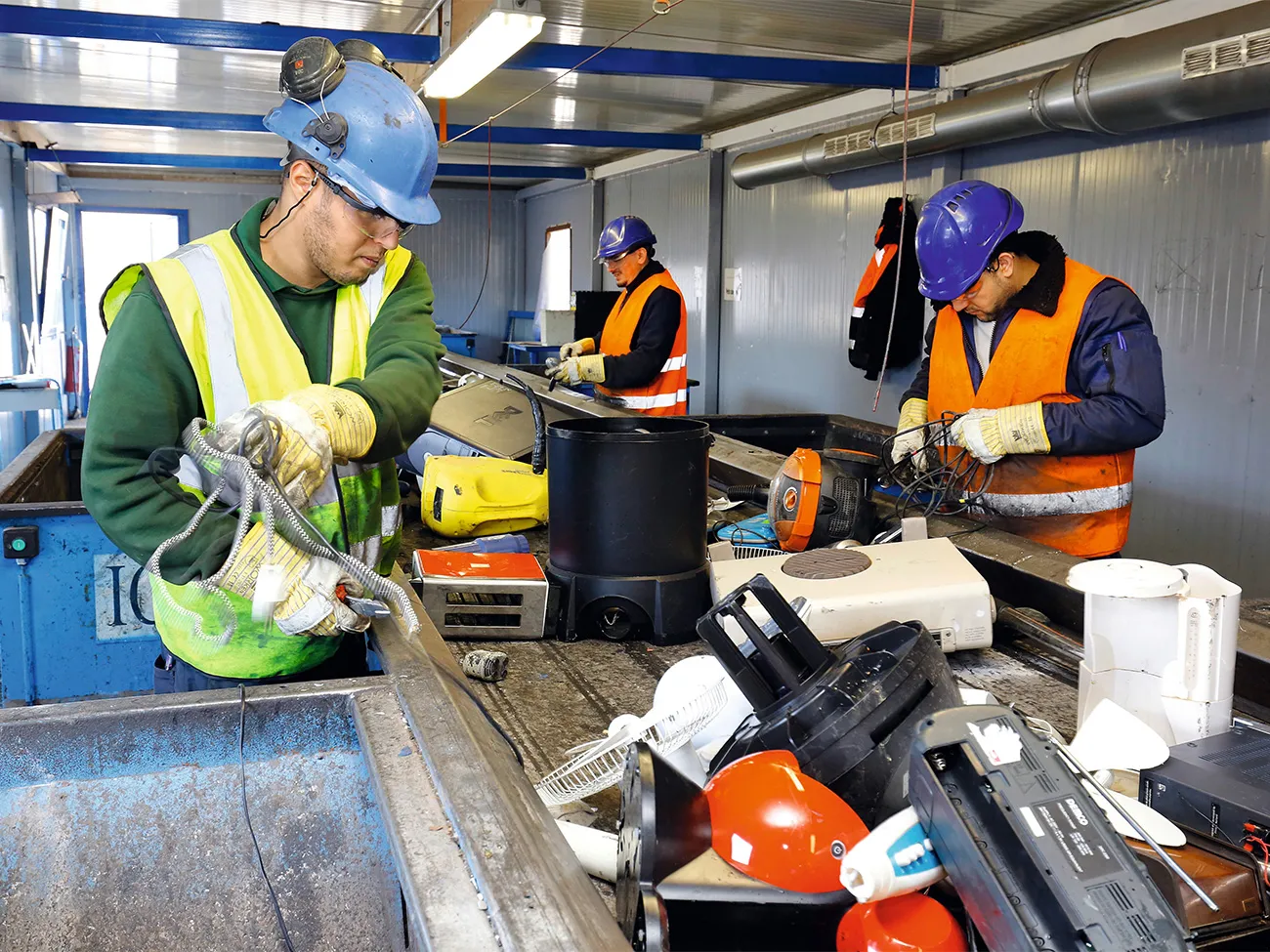
Coolrec has a dedicated plant where plastics from refrigerators, freezers, air conditioners, small and large electrical appliances, ICT equipment and more are further sorted and reused as compounds in industry, with a focus on PS (polystyrene) and ABS (acrylonitrile butadiene styrene). As the market leader and the only processor in the world, it can also reuse these plastics from refrigerators to make toys (toy safety standard EN71-3). The company recently entered into a partnership with Playmobil. The toy manufacturer’s new Wiltopia product range gives children the chance to discover planet Earth, its remarkable features and its inhabitants. It does so without dry facts, but with plenty of fun and sustainable materials of proven quality. Wiltopia is the first product range to use an average of more than 80% sustainable materials in its manufacture. Alongside bio-based plastics, PCR is used. These are plastics that have already been used by consumers and are then returned to the recycling loop. Wiltopia products are made from recycled plastics that Coolrec recovers from waste refrigerators. The plastics are then shredded and processed into flakes. Using advanced mechanical recycling techniques, the flakes are turned into Coolrec granulate (compounds), which can be used to make almost anything, including the animals and playsets in the new Wiltopia range, and much more.
Reusing recycled materials in Europe
Pype: “Coolrec is doing everything it can to maximise the recovery of materials from e-waste and reuse them as far up the value chain as possible in Europe. If companies do not sort their e-waste or mix it with other waste streams before sending it to uncertified companies, this is bad for the environment. There is also a shortage of the raw materials found in e-waste, including plastics, metals and precious metals, and glass, which we can recover by working together. That is why all e-waste must be sorted separately and delivered to recycling companies that recover as much material as possible. It can also be delivered through producer responsibility organisations, which ensures it reaches the right operators.”
Question about this story? Ask your question
Keep following this
Get an email when a new story is published. No account needed.
- ThemeCircular processing of electronics and batteries
- SubjectNews







