












Workplace safety is the result of many factors working together
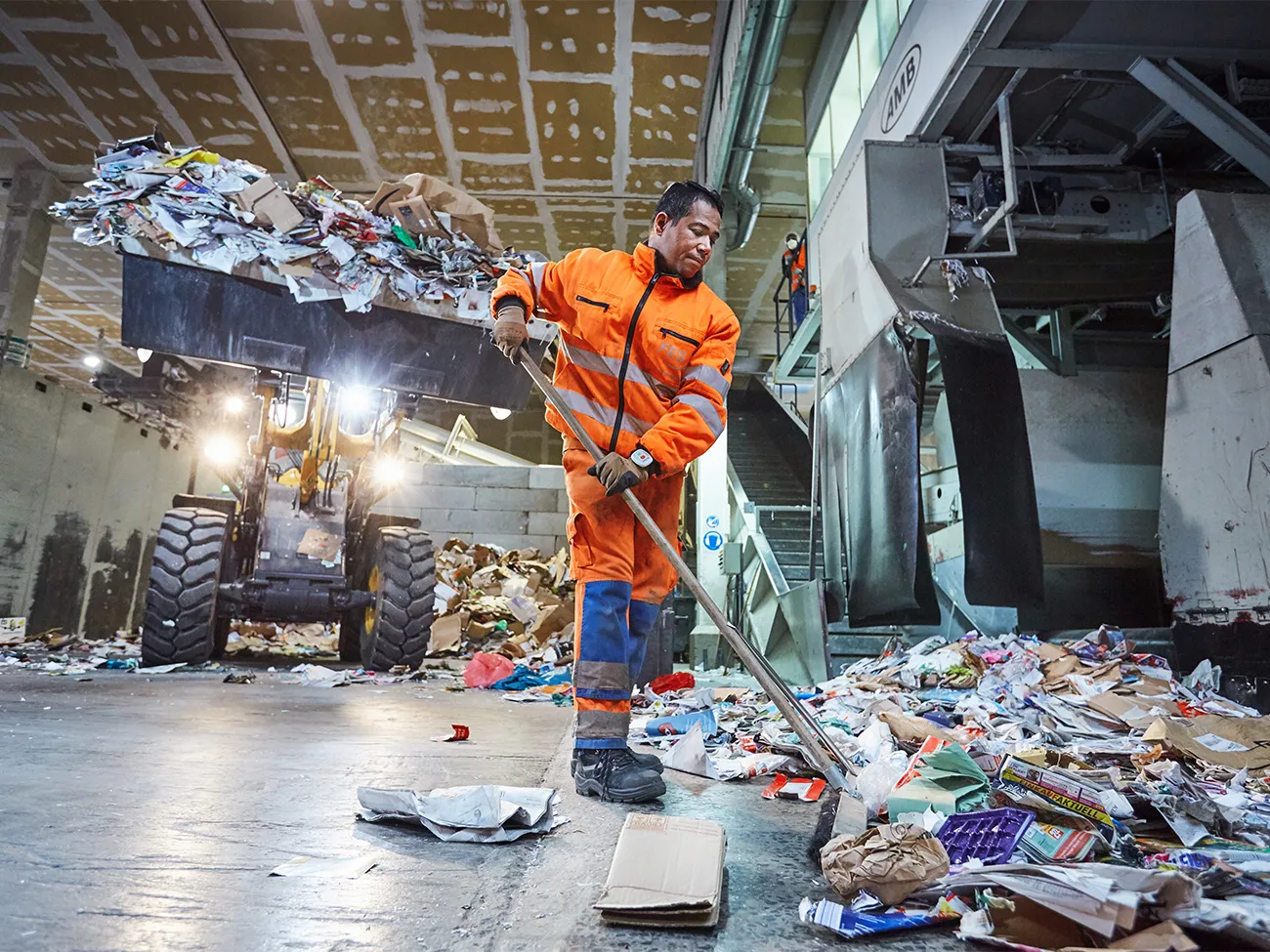
Safety is the number one priority at the Rijen-based company. We have often written about the safety modifications MultiNET makes to the balers it supplies, on its own initiative. Small and large changes that passively make working with its machines safer. The wellbeing of people has been central to this family business from the outset. But MultiNET goes a step further: most unsafe situations arise from the improper use of heavy machinery or from routine setting in. Raising awareness of the hazards associated with a baler, and understanding how it works, how to operate it and how the process works, make the weakest link in the safety chain, the human being, less vulnerable. We speak to father and son Jos and Bas Leemans, and Angelique van der Weijden, about how MultiNET helps create a safe working environment.
Training developed
“We provide bespoke training on operating the baler,” Angelique begins. “The training is tailored to the organisation where the baler is installed.
We work with the customer to identify their training needs. These may include minor repairs, explaining components and how to replace them, troubleshooting, maintenance and so on. Training can take place at the customer's premises or at MultiNET.”
Bas says that passing on knowledge is very important. “Not only to work more safely, but also more efficiently. Our customers often have a high turnover of operators. When we train new operators, they are well prepared to work at the machine. Our practical training also teaches them how to resolve common problems themselves. The time saved contributes directly to optimum efficiency on the work floor. It makes things easier for us and for the customer. That is why we are happy to invest at the start of the process, in operator training.”
Greater involvement
Angelique continues: “When a new machine is commissioned, we provide training straight away and also cover running in the machine with different materials.” Operators and technicians have a lot of information to take in. Refresher training helps bring lapsed knowledge and experience back up to date. Bas adds: “Of course, customers are not expected to carry out every repair themselves. MultiNET will always provide high-level service itself.”
Training provided by MultiNET is never standard, it is always bespoke. Angelique says: “That makes sense, because we supply customised machines. Training is therefore tailored to the customer's needs.”
Visible growth
MultiNET is growing, and a number of expansions reflect this. Jos explains: “We have expanded our fleet with new lorries, grown our team and purchased new metalworking machines. We are growing alongside our customers. We see many customers modernising, and new customers replacing their old balers with our UnoTech balers. We are constantly innovating too. We are currently testing an UnoTech baler at a dry pulp machine. The initial tests have gone well.”
Safety around the baler
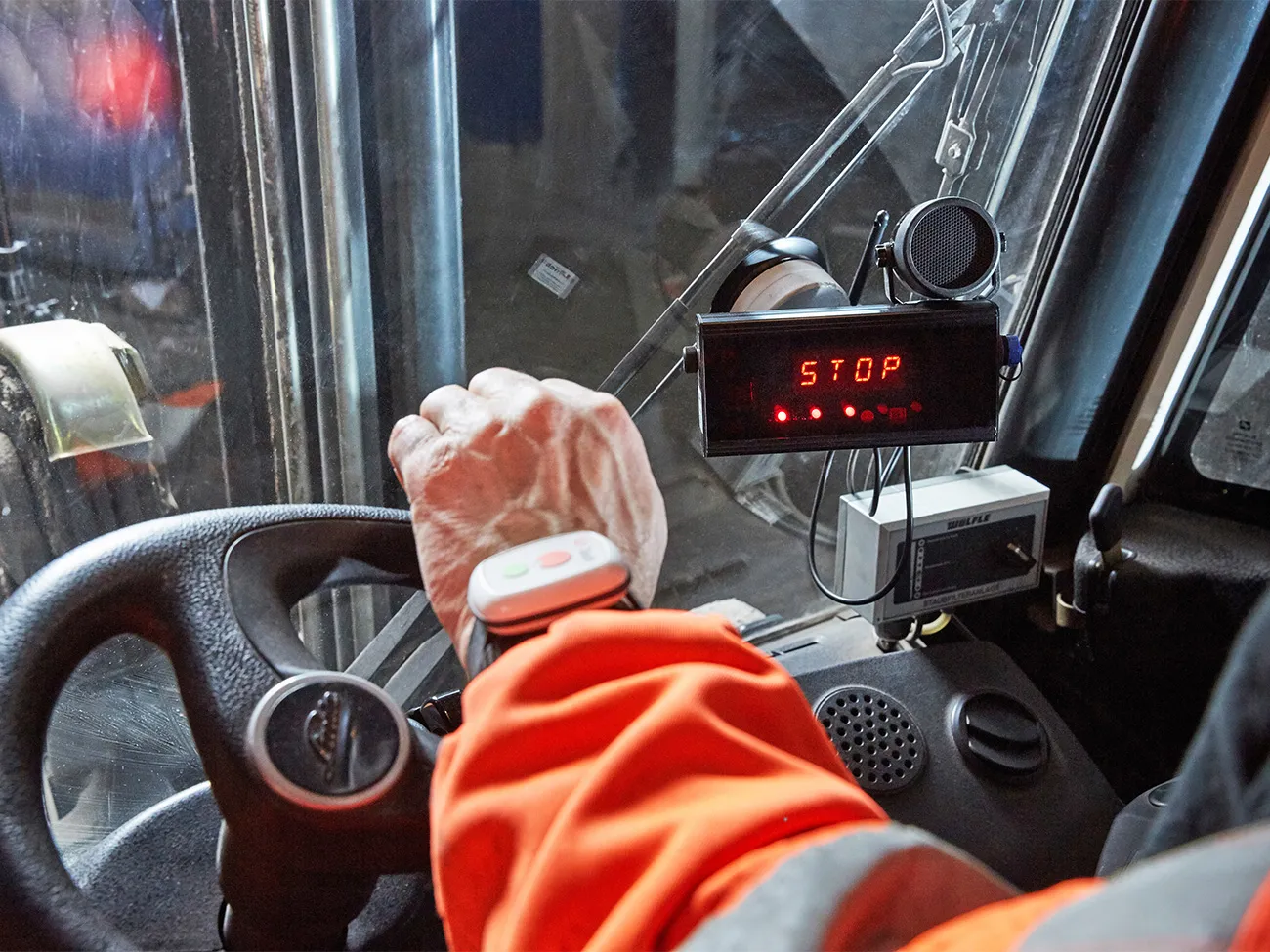
A new addition to MultiNET's product range is U-Tech's Collision Warning System. Jos explains: “This system gives early warnings to forklift and shovel operators, as well as people on foot, when they are approaching one another. It provides alerts across three zones. The closer they get, the slower the forklift or shovel travels, eventually coming to a stop if necessary. Employees receive alerts through a smart wristwatch that vibrates. What makes the system unique is how it detects people: everyone is detected, and the system works through obstacles such as bales and walls. U-Tech also supplies this technology for conveyor belts, using the same wrist transponder.”
Bas concludes: “What we want is for everyone to start the day efficiently and get home safely in the evening. Working safely and efficiently together motivates everyone.”
Question about this story? Ask your question
Keep following this
Get an email when a new story is published. No account needed.
- ThemeSmarter use of machinery and plant
- SubjectNews







