












Wood waste incineration plant completes the recycling chain
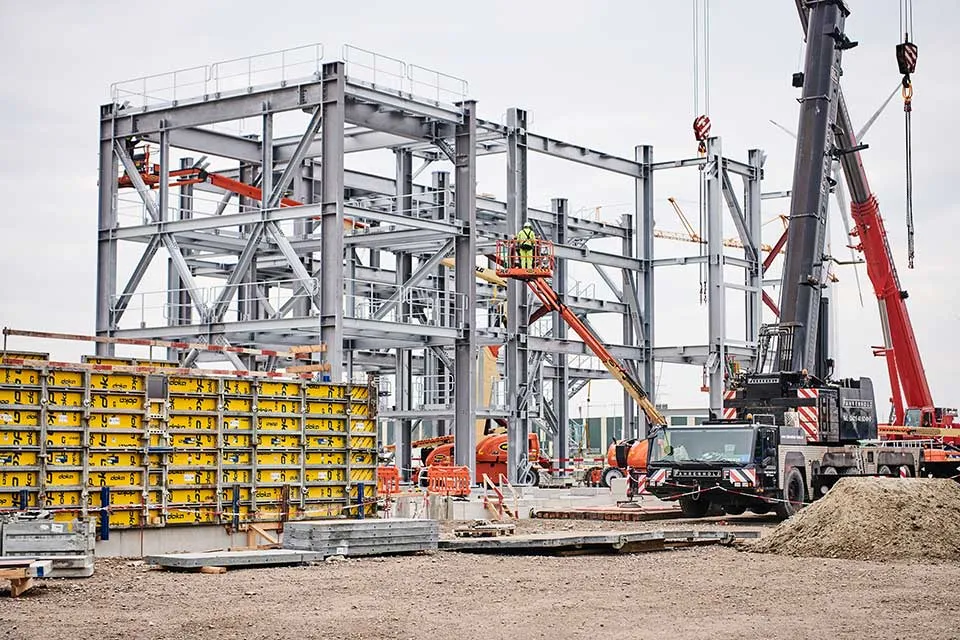
The more effectively we recycle, the more waste wood will be produced as a separate stream. To find a solution for the surplus of waste wood on the market, SUEZ began considering practical options as early as 2016.
This meant both pushing the boundaries of what can be recycled and considering a new waste wood incineration plant, a necessary final link in the recycling chain. The result was E-Wood, a wood-fired plant based on fluidised bed technology that will give 180,000 tonnes of waste wood a new lease of life as green electricity and heat. SUEZ entered into a partnership with Indaver to make this happen.
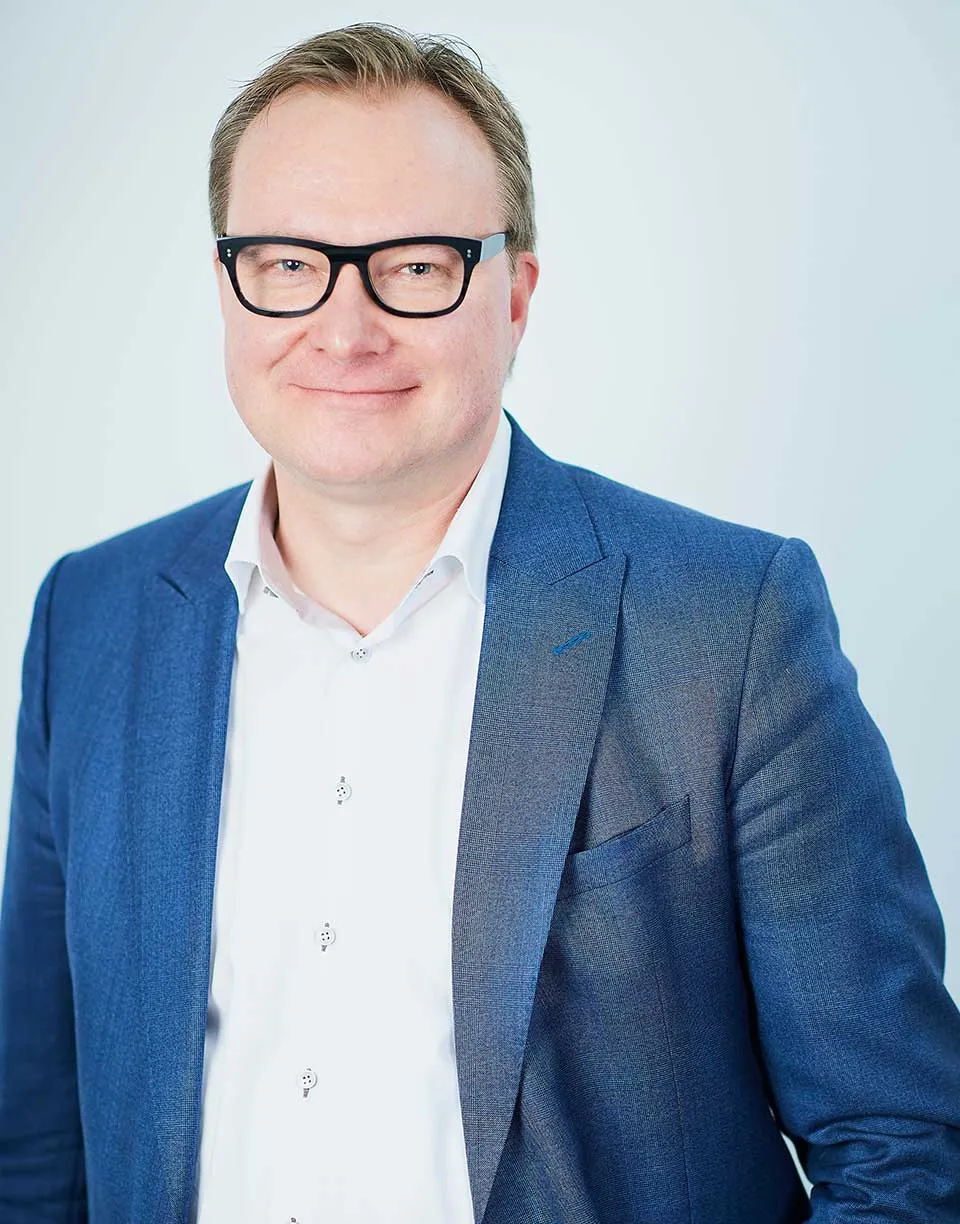
Biomass plants will be needed if the Flemish government is to meet its renewable energy targets. “Waste wood is an ideal fuel. Firstly, because we take every possible step to recycle as much of it as we can into particleboard. In that respect, we are fully aligned with Flemish policy, which focuses on maximising quality. Secondly, because there is simply a lot of it. In 2020, the total amounted to 1,203,000 tonnes, of which around half was non-recyclable. Much of it is still sent to plants abroad. From 2022, E-Wood will allow us to give it a second, green life here in Belgium,” says Werner Annaert, director Business Development & Materials SUEZ Recycling and Recovery Belgium.
Equal partners
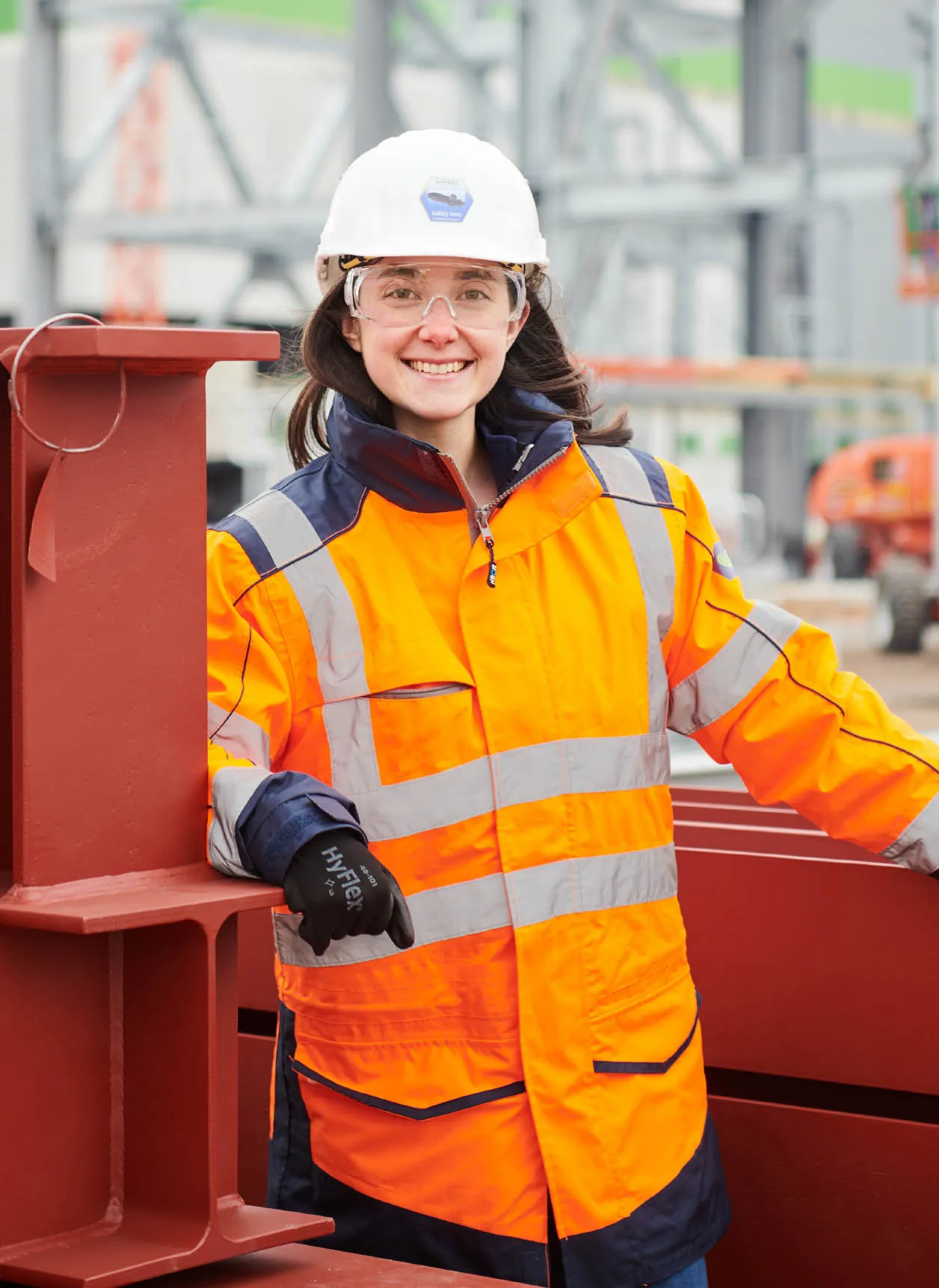
By the end of 2017, SUEZ’s plans for a new waste wood incineration plant had become very concrete. The permitting process had begun and negotiations with suppliers were under way, but they were not going it alone. SUEZ project engineer Julie Liébart: “E-Wood is a partnership between SUEZ and Indaver. By locating the plant at their site in Doel, we can connect seamlessly to the Ecluse steam network, where we can supply the heat we generate. We also already had experience together with the fluidised bed technology we intend to use at the heart of the incineration plant. That knowledge is one of the keys to the project’s success, because it meant we did not have to start from scratch. This is important, as Covid-19 has made it difficult to stick to the schedule and minimise delays. We are on track to be fully operational by October 2022.”
A second life for 180,000 tonnes of waste wood
The E-Wood project carries a price tag of €95 million, a significant investment in the Belgian market. SUEZ and Indaver will each cover 50% of the costs, provide 50% of the staff and supply 50% of the incoming material. “We have a permit to incinerate 180,000 tonnes of waste wood a year. For now, however, we are targeting 150,000 tonnes, to feed 20 MWh of electricity into the grid and supply 11.5 MWh of heat to the Ecluse steam network,” says Liébart. SUEZ will not have to look far for fuel to begin with. “Our own waste wood, along with material from partners that can no longer be recycled, will come here. We are also looking to industry, the construction sector, intermunicipal associations and recycling centres. As a third option, we will look beyond our borders to neighbouring countries. That is also why locating the plant in the port was important. It means we can use waterways for transport,” Annaert adds.
The final link in the recycling chain
An important point is that E-Wood does not operate in isolation. “From collection through to recycling and incineration, we want to manage the entire wood value chain. That is why we will also invest in pretreating waste wood, so that as much as possible can be recycled. We already have a partnership with Unilin in this area and want to strengthen it further in the coming years. Quality also matters for waste wood that is sent for incineration. This allows us to ensure that no problems arise during combustion. In the post-Covid era, Flanders aims to become a recycling hub. E-Wood fits seamlessly into that vision. If you have a lot of recycling plants, you also need solutions to treat the residual material sustainably,” Annaert concludes.
Question about this story? Ask your question
Keep following this
Get an email when a new story is published. No account needed.
- ThemeCircular construction and demolition
- SubjectNews







