












What does the new ELV Regulation mean for recyclers?
Text Valérie CouplezImage iStock
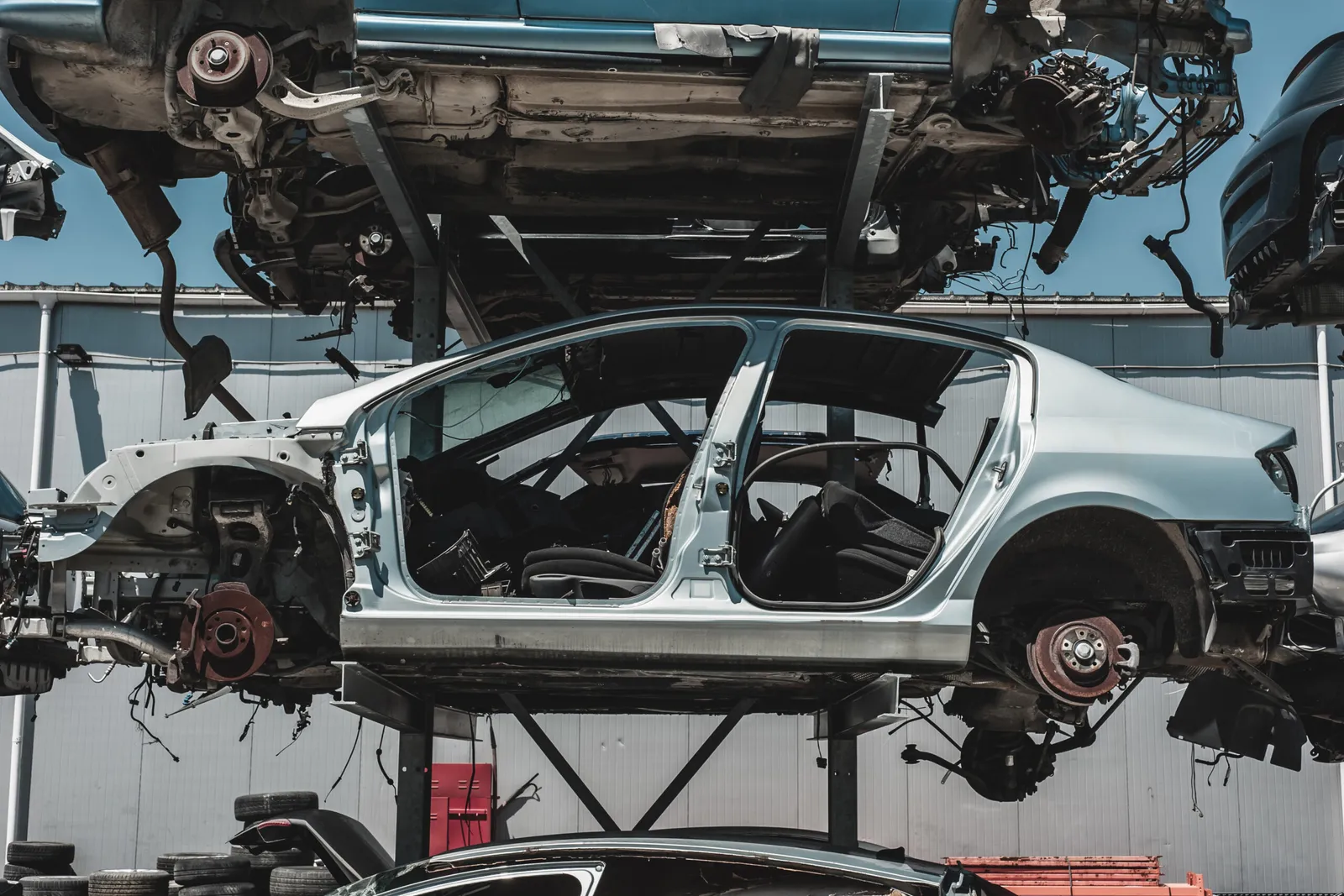
The End-of-Life Vehicles (ELV) Regulation is in its final stages. At the time of writing this dossier, only the final formal approval remains, following completion of the document’s translations. The previous version dated from 2000, and work on the new one has been under way for years. The original proposal was first put forward in 2023. It has been a long time coming, reflecting the importance of the automotive sector and the difficult waters it has found itself in. The targets for recycled content have been scaled back somewhat, but the ambition remains: to make new cars more circular. This article sets out the framework. In the next two articles, we take a closer look at the provisions for recycled content and the requirements for dismantling.
The revised EU ELV Regulation marks the next step in Europe’s transition to a more circular automotive industry. It brings together two or three existing directives in a single regulation, with a direct impact on every Member State. This makes it a unique document. Circularity itself is nothing new for car manufacturers. Vehicle dismantling, material recovery and compliance reporting have long been part of the regulatory landscape. What is changing is the level of accountability required to demonstrate that circularity targets are actually being met. The shift is less about introducing entirely new obligations and more about putting circularity into practice across increasingly complex material flows. Rather than focusing exclusively on end-of-life treatment, the revised framework increasingly addresses circularity throughout the vehicle’s entire lifecycle. This includes:
- Minimum recycled content requirements for plastics;
- Stronger expectations for circular design;
- Extended producer responsibility (EPR) obligations;
- Closer monitoring of vehicle exports and depollution and dismantling activities.
Towards greater traceability
The fact that increasing numbers of end-of-life vehicles are slipping through the net via exports has long been a thorn in Europe’s side. This is a matter of safety, since there is a reason why a car is classified as an end-of-life vehicle, and of the valuable materials that are lost as a result. The ELV Regulation therefore aims to close as many loopholes as possible. This starts with a harmonised European definition of when a car becomes an end-of-life vehicle.
A digital system will also be developed to improve the tracking of vehicles across Member States. It must be operational within two years, after which Member States will have a further two years to connect to it. After all, it is ‘only’ a matter of getting the databases that each Member State already has to communicate with one another. Five years after the ELV Regulation enters into force, a ban on exporting unroadworthy cars will also apply. Exactly how checks and enforcement will work still needs to be set out in secondary legislation.

Extended producer responsibility
For Belgium and the Netherlands, the requirement to have an extended producer responsibility scheme is less significant. We already have producer responsibility organisations in the form of Febelauto and ARN, respectively. Europe also wants the recycling sector to have at least one observer on the board. This is a positive step towards bringing the entire value chain closer together. In future, manufacturers’ contributions towards the treatment of their end-of-life vehicles will depend on how easy the components are to dismantle, reuse and recycle. In other words, eco-modulation. The worse cars perform against these criteria, the higher the EPR contribution will be. In recent years, the recycling sector in the Low Countries has also been moving towards greater reuse. There is value in offering components on the second-hand market, too. The next steps are working out how to remove them and how to offer them to professional operators.
Conclusion
The revised ELV Regulation heralds a broader shift towards greater accountability and transparency in material flows across the automotive sector. Rather than focusing exclusively on recycling results, the regulatory framework increasingly requires manufacturers to demonstrate how materials move through circular recovery processes, from vehicle dismantling to the production of secondary raw materials. For manufacturers, circularity is therefore not just a sustainability goal, but also an operational challenge. Meeting recycled material targets, demonstrating readiness for circular design and verifying treatment outcomes all depend on reliable documentation of what happens when vehicles and components re-enter recovery systems. Recording these processes in a structured and auditable way is becoming an increasingly important part of circularity programmes.
Question about this story? Ask your question
Keep following this
Get an email when a new story is published. No account needed.
- SubjectNews







