












Water authorities join forces to store sewage sludge collectively
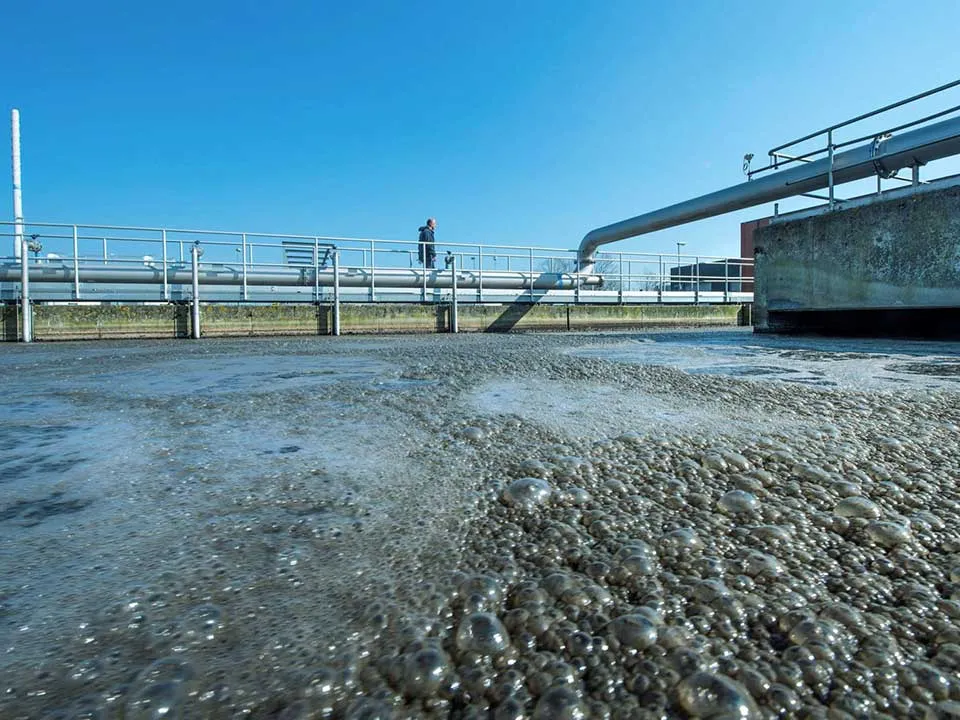
Water authorities are arranging collective contingency capacity for sewage sludge.
They are working towards a national contingency scheme that will require the involvement of the Ministry of Infrastructure & Water Management. In the event of an incident, water authorities will temporarily store sewage sludge from wastewater treatment, so that it can be processed at a later date.
Sander Mager, board member of the Association of Regional Water Authorities: “Each water authority is responsible for maintaining sufficient operational capacity for the final processing of the sewage sludge generated by wastewater treatment. However, incidents can occur that make it necessary and prudent to have collective temporary storage sites ready. We will call on the national government only in the event of very large-scale emergencies. A robust system for the final processing of sludge is a shared responsibility, which we are taking on together: all water authorities are involved. With this plan, as a sector we are working to ensure sufficient capacity by combining innovation and sustainability.”

Sustainable
One of the water authorities’ responsibilities is treating wastewater discharged by municipalities. They do this as sustainably as possible, helping to protect public health and maintain good water quality. Wastewater treatment produces clean effluent and sewage sludge. Work is ongoing, both nationally and internationally, to develop more sustainable and efficient ways of processing this sludge.
At the request of Cora van Nieuwenhuizen, Minister of Infrastructure and Water Management, the water authorities have drawn up a robust plan for a joint approach to the problems that have arisen in the final processing of sludge. In addition to their own operational capacity, they will now jointly organise contingency capacity. This will be overseen independently, with its own monitoring and accountability arrangements. A contingency scheme between the water authorities and the ministry for the temporary storage of sewage sludge in national dredging depots is still under consideration. This is a shared responsibility of the water authorities and the national government.
The Robust Plan for the Final Processing of Sludge is a response to the problems caused by the loss of the German market for handling fluctuations in the supply of sewage sludge. This has created a capacity shortfall in the Netherlands for final processing, which could continue until 2025. The robust plan examines the long-term supply of sewage sludge and existing processing methods. It concludes that, between 2021 and 2025, collective contingency capacity and a national contingency scheme are needed.
Question about this story? Ask your question
Keep following this
Get an email when a new story is published. No account needed.
- SubjectNews







