












Waste-to-energy, an indispensable link in the circular economy
The affluent consumer’s appetite for consumption is enormous. As a result, we put a daily strain on the world’s raw materials. The coronavirus pandemic and the war in Ukraine suddenly made raw material shortages particularly tangible. The circular economy can make a difference, including in the energy transition. Waste-to-energy is an indispensable link in this story. It provides essential waste treatment for residual waste streams that cannot be recycled.
Those who say ‘circular economy’ mean ‘closing material loops’. We must make the best possible use of all the value contained in waste. Loops must also remain clean. This is precisely why Belgian Waste-to-Energy and its members exist: to provide a safe and sustainable treatment solution for non-recyclable residual waste, keeping the loop clean and enabling high-quality recycling. Even after incineration. Our plants recover the metals in residual waste and the mineral fraction from bottom ash. We have made tremendous progress in this area in recent years, but we aim to increase recovery rates further and thereby reduce the need for virgin raw materials.
Waste-to-energy and high-quality recycling are complementary and both essential to putting the circular economy into practice. Even with Belgium’s very high rate of selective waste collection, residual waste will always remain. With the ambition of becoming Europe’s leading recycling hub, more selectively collected waste from abroad will be recycled to a high standard here. The combustible recycling residues from these processes consist of heterogeneous materials and often harmful contaminants, for which thermal treatment is currently the only and most appropriate treatment technology. By rigorously sorting waste at source and sending it to waste-to-energy plants, our sector helps make high-quality recycling possible. Our state-of-the-art waste-to-energy plants thus act as a ‘safe sink’, providing safe final treatment for unwanted components.
The sector also plays a prominent role in many crises. During the coronavirus pandemic, destroying viruses and pathogens was crucial. After the floods in 2021, huge quantities of waste had to be treated quickly and safely. And in the event of a food crisis, we stand ready to treat specific waste streams safely. At the request of the judicial authorities or customs, our members also destroy illegal or confiscated goods.
The need for renewable energy has never been greater than it is today. BW2E members play a significant role in energy production, both in the form of electricity and high-pressure process steam. There is an increasing focus on district heating networks that supply our businesses and citizens with locally produced heat. This makes us less dependent on energy imports. We also continue to invest in increasing energy recovery even further and research new technologies, such as producing hydrogen at waste-to-energy plant sites.
Our sector not only contributes to a sustainable, circular economy, it also sets a good example itself. Working towards climate neutrality is a major priority and challenge for the coming years. CO2 emissions are inherent in our treatment processes. By increasing energy and materials recovery, incinerating only non-recyclable waste, and investigating how to capture, safely store or make productive use of fossil CO2, we are actively working to reduce our CO2 impact. In future, it will even be possible to operate with a net-negative carbon footprint.
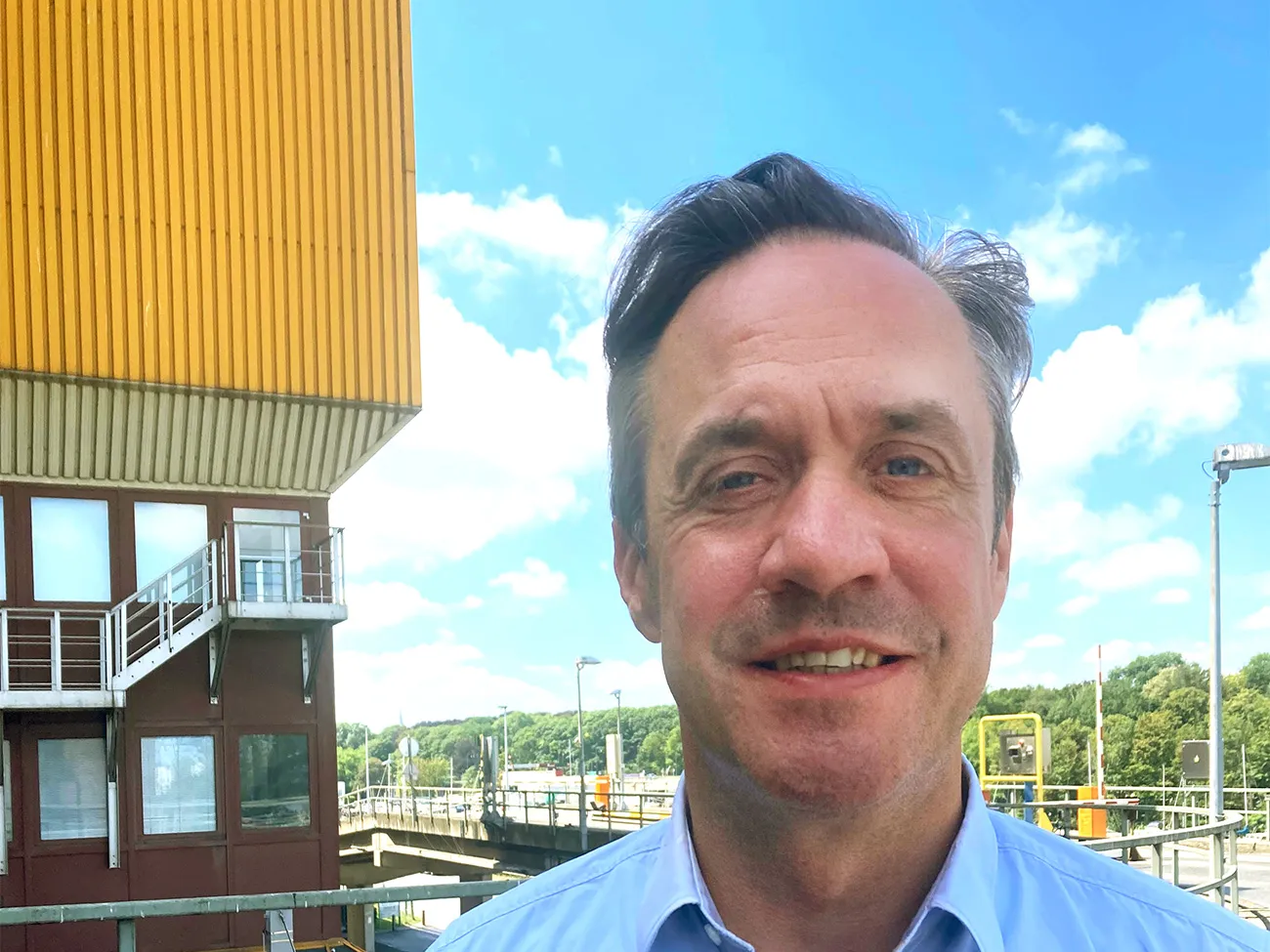
Geert Magerman, Chairman, Belgian-Waste-to-Energy
Belgian Waste-to-Energy (BW2E) represents all 14 Belgian plants that recover energy from household and similar residual waste. Each year, the 14 members treat around 2.8 million tonnes of residual waste and produce more than 1.6 million MWh of electricity, some of which is renewable. BW2E is also making increasing use of heat and steam in residential and industrial district heating networks. BW2E is a non-profit association with a rotating chairmanship. In 2022, the chairmanship is held by Geert Magerman, general manager of Brussel Energie.
Question about this story? Ask your question
Keep following this
Get an email when a new story is published. No account needed.
- ThemeCircular business under changing regulations
- SubjectNews







