












Waste incineration also plays a crucial role in the circular economy
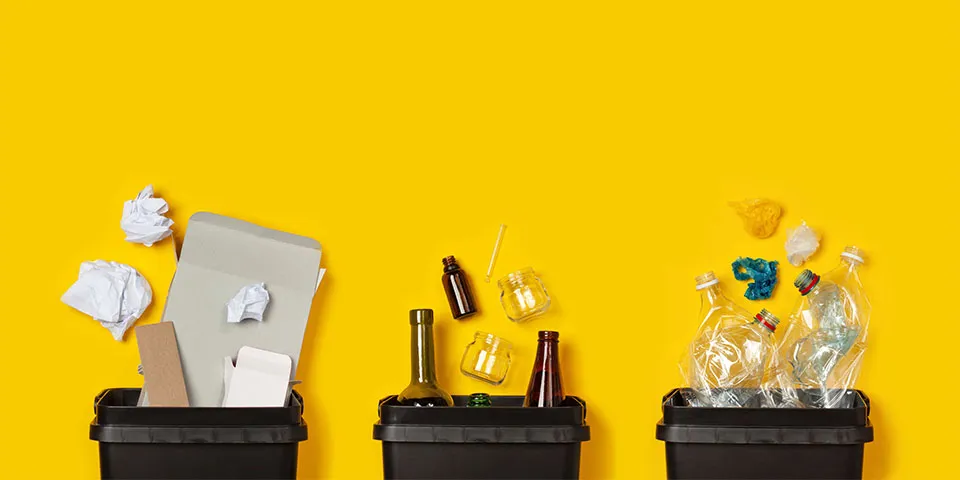
In an ideal circular economy, there would be no residual waste and every material could be given a new lease of life indefinitely. But we are not there yet. We cannot recycle everything profitably. In the years ahead, there will therefore still need to be sufficient capacity for final treatment, either through incineration or landfill. A conversation with Karl Vrancken, senior expert on circular economy at VITO, about the place of waste incineration in society today.
“We will still urgently need our residual waste incineration capacity in the years ahead,” Vrancken says with conviction. “Even with a sound circular policy in place, you still need safe outlets for the residual fraction. That is what remains after we have done our best to reuse and recycle as much as possible. Some materials are simply too contaminated or hazardous to be given a second life. While we work to push those technical limits, we can put existing residual waste to good use by opting for inci
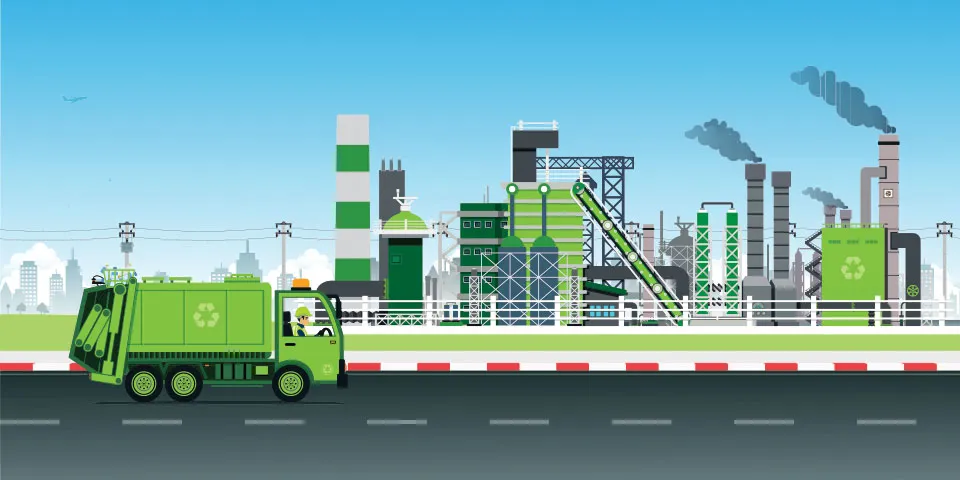
Proximity to industry usually means there are plenty of opportunities to supply heat.
neration with energy recovery. The landfilling of combustible waste has long been prohibited. The heat released during incineration is typically converted into electricity, but an increasing number of facilities are now also supplying heat to nearby users, including in the form of steam.” Do our incinerators have sufficient capacity available? For Vrancken, the answer is an emphatic yes. “Flanders does indeed have a policy of limiting that capacity and scaling it back as much as possible in the future, to encourage more recycling. But this policy looks five to ten years ahead, so that shortages do not arise. Some regions have excess capacity because their facilities are too large. They then have to be supplied with waste from other countries.”
A different approach to residual waste
Flanders currently operates on the principle of self-sufficiency. Waste incineration plants must be able to process the region’s own waste. No more, no less. By keeping capacity under sufficient pressure, the aim is to prevent recyclable waste streams from being incinerated. That does not mean the role of residual waste is not changing, or that we should not re-examine the system. “Our efforts to collect and recycle waste are geared towards ever-increasing volumes. The higher the percentage of packaging we collect, the better we score. More is better. But is that really the case?” Vrancken asks. “In a circular world, we will have to completely rethink the way we approach things. For example, if I want to make a product, I can specify which recycled material I need and what specifications it must meet. The collection system can then be tailored to suit. If we put this into practice on a significant scale and produce purer recycling streams, we will also generate more residual material. We may also have to accept low-grade applications for residual waste for the time being. Waste incineration will therefore remain an important part of the overall picture.”
How should incinerators be assessed?
When incinerators reach the end of their service life or their permits in the years ahead, new criteria may be needed to assess their value. Vrancken suggests a few. “What opportunities are there nearby to supply heat? How accessible is the plant? Is it centrally located in the area it serves? Can waste be transported by water? The first and last kilometres are usually the problem, as they involve transhipment. But if you can combine good connections with proximity to industry, you are already well on your way. Thirdly, we also need to assess how large the plant needs to be to operate efficiently and profitably.” Vrancken stresses that he is not targeting any particular incinerator. “Every situation is unique and must be considered in its own context. But these factors can help people recognise the added value of an incinerator too. They play a useful role in the overall waste treatment system.”
Question about this story? Ask your question
Keep following this
Get an email when a new story is published. No account needed.
- ThemeImproving waste collection and transport
- SubjectNews







