












Waste goes digital
The coronavirus pandemic has shifted digitalisation up a gear. But does the same apply to recycling companies? What digital developments are in store for them in 2022?
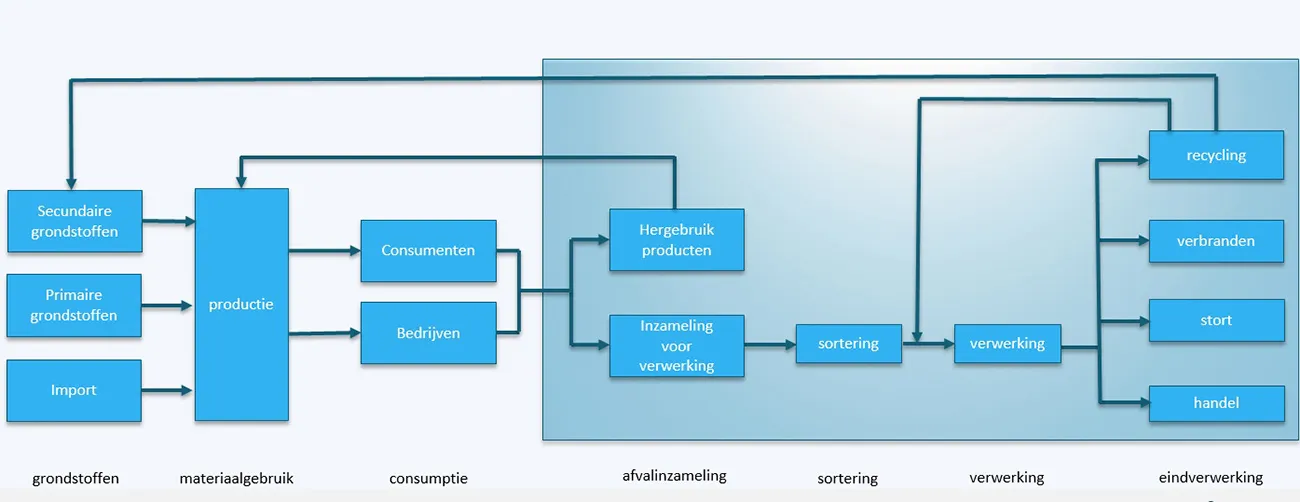
The first digitalisation project in the pipeline is MATIS. This initiative by OVAM aims to map waste streams and their volumes digitally. It is also part of Europe’s drive to use more data to understand how much recycling is actually taking place in its member states. MATIS has ambitious goals. In time, it aims to map the entire chain, from the raw materials used to make products to those products’ end-of-life journey. It would eventually replace the waste register. However, the database and its associated platform will be developed in phases. A first group of around 600 companies has now been asked to report data for 2020 to 2021. The focus is mainly on household waste. Broader reporting is due to follow in the autumn.
Advantages and disadvantages of MATIS
The imminent arrival of MATIS has created tension in the recycling sector. Companies are reluctant to hand over commercial data to the government, particularly as they will have to report more than before. The question also remains as to what companies will get in return for being so open. Although a substantial share of the MATIS platform’s development budget, around 30%, has been set aside to generate a return on investment, that return currently looks limited. The data made available to companies to help them optimise their efforts or benchmark their performance will initially be restricted to Flanders, and may therefore be less useful, given that many companies operate nationally. For now, few other reporting requirements are being removed. For most recycling companies, the immediate effect will therefore simply be an increase in the administrative burden.
Digital transport documents
A second digital tool is Ewastra. It is no newcomer, having been around for some time, and is used to digitise waste transport documents. Drivers can access the waste transport document in digital form in the app on their smartphone. Loading and unloading can be recorded in a few clicks or by scanning QR codes. At present, the identification form and, where applicable, the CMR are already digital. In the longer term, the same app should be able to handle all transport documents. Fully digitised transport enables recycling companies to track their consignments more effectively and get a quicker picture of exactly where a load is.
Mandatory in Flanders from 1 January 2023
Ewastra has already been approved for use by the Flemish authorities and is being further developed. In Wallonia, it has provisional approval, with a test programme due to follow shortly. An application is pending in Brussels. More importantly, Flanders is requiring recycling companies to use a digital identification form from 1 January 2023. The deadline is fast approaching, and many companies will have a major challenge on their hands to adapt all their administrative processes. It also remains to be seen whether several systems will coexist and whether this will pave the way for a European system in the future.
Digital inspection of wheeled bins
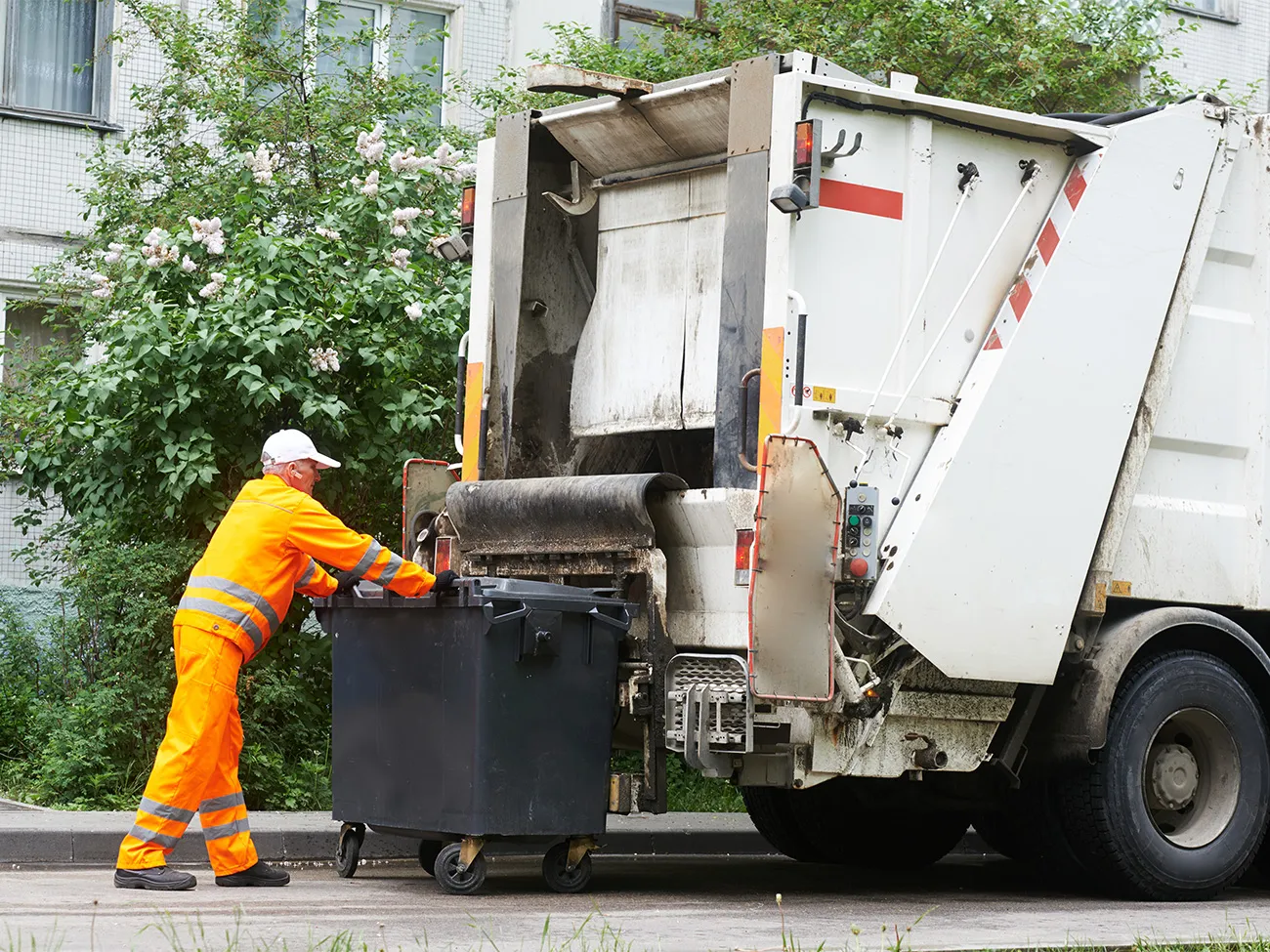
Finally, DAISY is a project led by Valipac. It is an autonomous inspection system for waste collection vehicles. Equipped with special cameras and trained using artificial intelligence, DAISY can analyse exactly what is in a wheeled bin when it is emptied into the collection vehicle. This gives collectors a tool for monitoring their customers’ sorting behaviour more effectively and showing them how they can reduce their waste processing costs. Are they making enough effort to sort their waste? DAISY can provide clear proof, enabling Valipac to adjust its premiums and offer extra rewards for good sorting behaviour. DAISY is still in its infancy, but already looks set to have a promising future in helping to improve selective collection.
Keeping it manageable
Digitalisation is undoubtedly the way forward, including for the recycling industry. However, we must all ensure that it remains manageable. Digitalisation can help the sector become more professional, but it needs to be phased so that every company can manage the IT work required to prepare its own systems for this digital transformation. Digitalisation also gives the various government authorities an opportunity to work towards greater consistency in the administrative requirements they place on companies. The lack of consistency currently places a heavy burden on the administrative operations of recycling companies. Hopefully, digitalisation will make things much simpler in the future.
Een zakelijke vraag aan OVAM? Get in touch
Companies in this story

Keep following this
Get an email when a new story is published. No account needed.
- SubjectNews
- CompanyOVAM







