












Wanted: innovative ecodesign projects
Text Valérie CouplezImage iStock
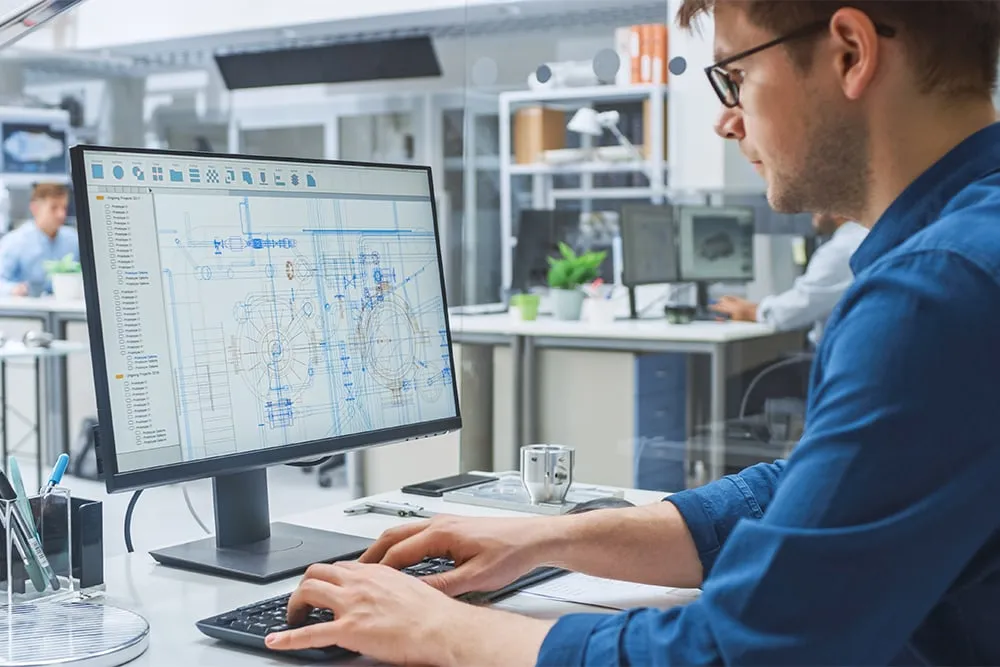
Circularity starts at the design stage. The more thought that goes into what can be done with a product at the end of its life during its development, the more efficient reuse and recycling will be. Zuhal Demir, Minister for the Environment, has therefore made 2 million euros available to support innovative ecodesign projects. The call is being run through Vlaanderen Circulair. Applications can be submitted until Friday 13 September.
Designing circular products and services requires a multidisciplinary approach and collaboration between companies, designers, knowledge institutions … Systems thinking is crucial to developing sustainable solutions. With this call, Vlaanderen Circulair aims above all to encourage designers themselves to apply ecodesign when developing new products, processes, services and business models.
Which projects are eligible?
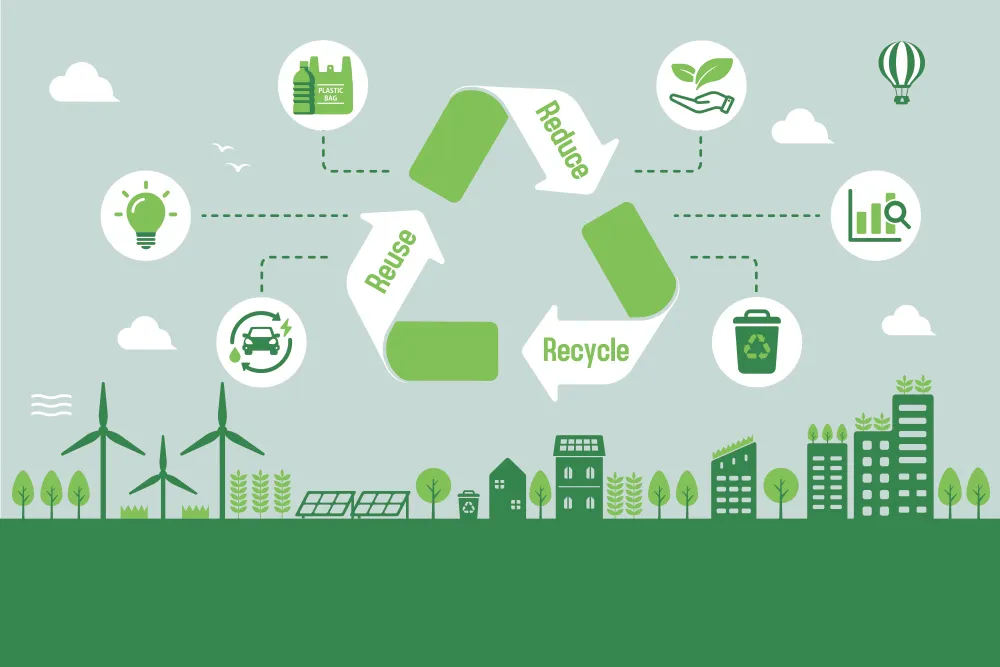
This call focuses on the ‘Redesign’ and ‘Rethink’ R-strategies to increase the circularity of the economy. Projects focused on innovation in product design and revenue models are eligible. Ecodesign must be embedded in a collaboration between companies and organisations, a relevant partnership aiming to implement a business model linked to it. The latter cannot be separated from the project. In this call, ecodesign is understood as the full range of choices made when designing products, so that the targets for reducing the material footprint by 30% can be achieved by 2030. Ecodesign therefore includes design for shared use, re-use, repair, disassembly, recycling … The design focus will therefore be placed to a greater or lesser extent on one of these aspects, depending on the strategy best suited to making the product or service more circular.
What are the eligibility criteria?
This call is aimed at collaborative projects/partnerships that seek to make a tangible contribution to promoting ecodesign for a circular economy. It is open to experimental, demonstration and dissemination projects that contribute to innovation, economic, social and societal relevance, partnership working, and learning, demonstration
and dissemination value.
- How does the project contribute to innovation in the design of circular revenue models or the wider system?
- What innovation could have a major impact on the design of products and services for a circular economy?
- Which (systemic) bottlenecks will be addressed?
- Innovations can also relate to collaboration, logistics, communication, business or policy.
- Can this innovative concept be implemented on a larger scale?
- Does the project also offer social value, ensuring that every Flemish citizen has access to (more) circular products and services?
- How sustainable is the innovation in the short and long term, in terms of the 5 Ps?
- What impact will the innovation have on material consumption? (quantities, environmental impact, euros).
- Which indicators will be used to monitor the project and its impact?
- Does the partnership go beyond the company’s own boundaries and comfort zone?
- Are designers involved in the project? Are they in-house designers or external designers engaged as subcontractors?
- Are different complementary players from across the value chain and the societal quintuple helix involved?
- Does the interaction and experience within the partnership provide sufficient assurance of successful implementation?
- What potential does the project’s impact on the circularity of products and services offer as an example for other markets, product groups, …?
- Is sufficient attention being paid to capturing lessons learned?
- Which good practices can be shared? And through which channels?
What are the grant amounts?
Vlaanderen Circulair (OVAM) subsidises up to 80% of a project, up to a maximum of 100,000 euros. For larger projects, you can prepare a separate budget for the part for which you are seeking a grant. Double funding is not permitted.
Question about this story? Ask your question
Companies in this story

Keep following this
Get an email when a new story is published. No account needed.
- ThemeCircular business under changing regulations
- SubjectNews
- CompanyOVAM







