












Unique in Belgium: sorting PMD residual waste
Text Kris VandekerckhoveImage Vanheede Environment Group
35% more material saved from incineration
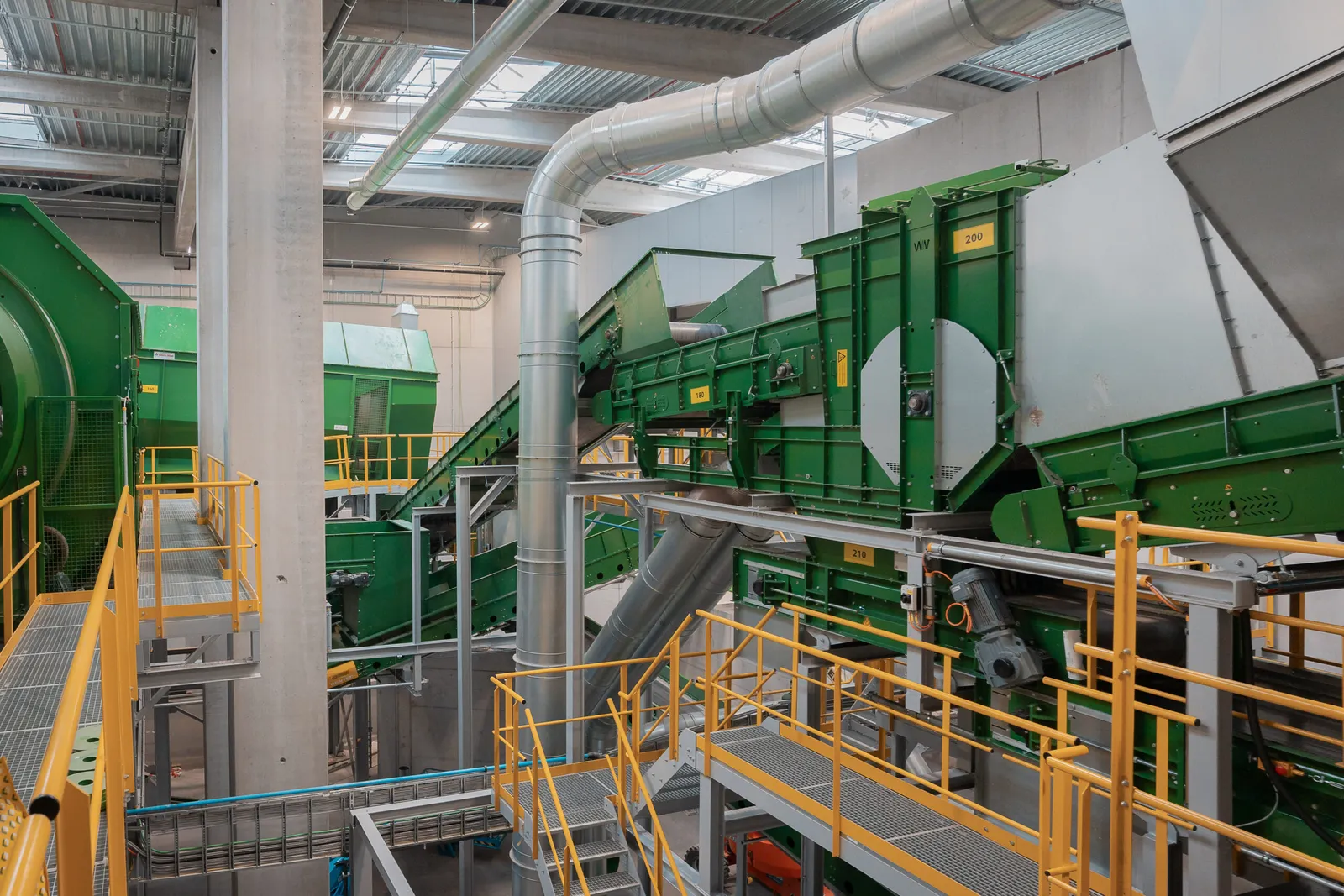
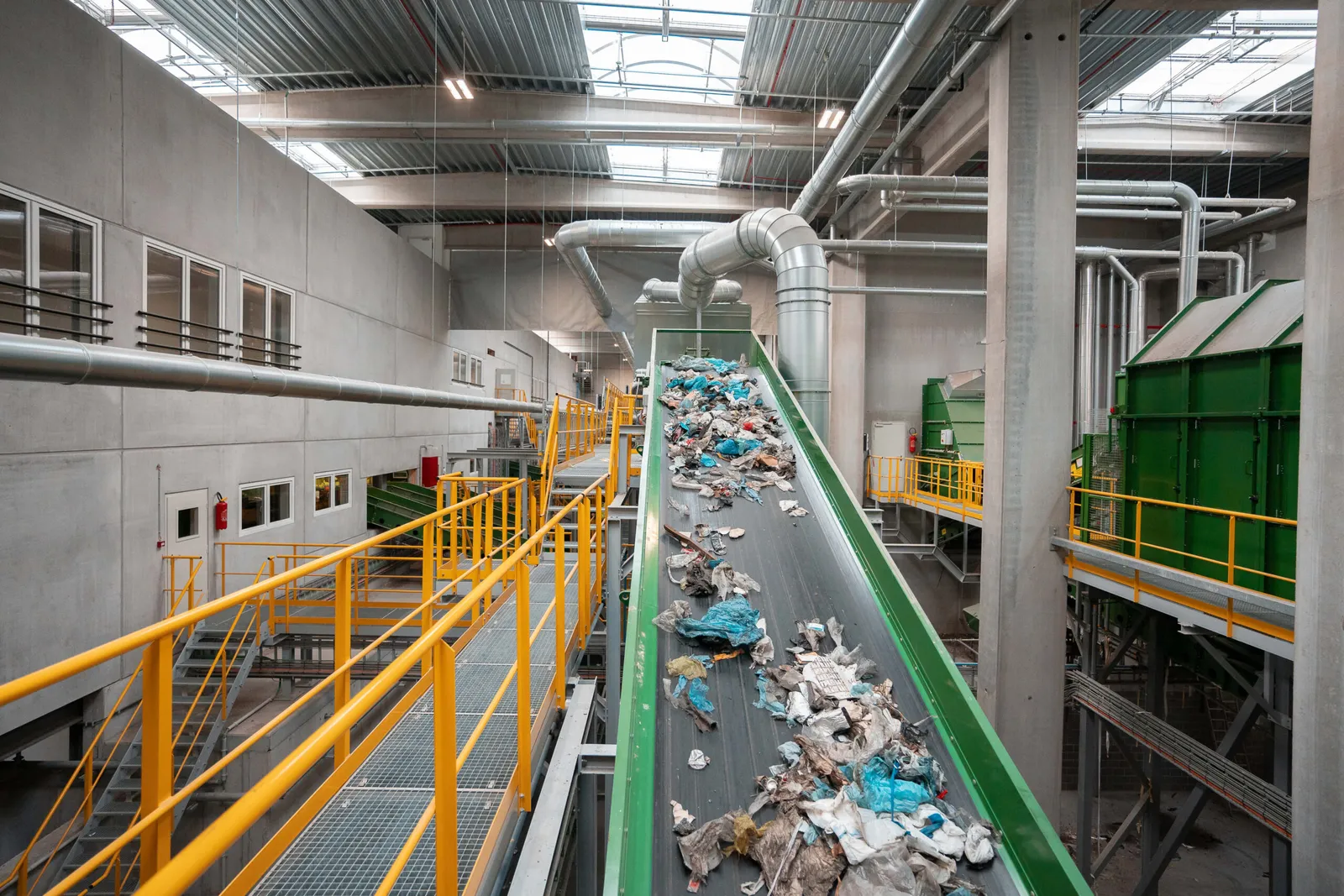
What happens to the residual waste left over after PMD sorting? Until now, usually nothing. But that is changing thanks to Vanheede Environment Group. A brand-new sorting line has been inaugurated at its site in Rumbeke. It is the first in Belgium to process residual waste from other PMD sorting centres too. This pioneering project will save up to 35% more recyclable material from incineration each year.
“What used to be considered ‘unusable’, we see as a new raw material,” says Jürgen Desmedt, BU Manager at Vanheede. “We deliberately opted for complexity with this project. PMD residual waste from other sorting centres, including festival waste, street bins and business waste that is difficult to separate, requires sophisticated technology. That is why we talk about ‘advanced sorting’: a combination of air-based techniques, sensor recognition, bulk density, eddy current separation and magnets. The process is largely automated, with scope for manual quality control. The sorting yield? Equivalent to the PMD waste from a small Belgian province.”
Going beyond the standards
Vanheede invested 40 million euros in the sorting line and associated site upgrades. Four existing buildings were demolished, and the entire logistics flow, from the weighbridge to the storage area, was redesigned. Sustainability was also central: all installations run on self-generated electricity, waste heat from the compressed air is shared with neighbouring company De Wulf, and fast-closing gates help limit dust and disruption. The new traffic plan handles 285 collections and deliveries per day without congestion. The new line triples the site's capacity to 150,000 tonnes per year and recovers 75,000 tonnes of material annually. This means Vanheede is actively contributing to the goals of the Flemish Vlarema policy and the European PPWR legislation, which require companies to make waste streams as recyclable as possible. “But we go beyond the law,” says Desmedt. “We want to anticipate what will be needed tomorrow. And if it is technically possible to recover value from residual streams, then we should do so.”
The power of secondary sorting
A key part of the story is the collaboration with Fost Plus, which is responsible for the sustainable management of household packaging waste in Belgium. “Vanheede is currently the only partner with whom we have a contract to sort PMD residual waste from other sorting centres a second time,” says Fost Plus spokesperson Valerie Bruyninckx. “What is seen as the end point at other facilities gets a new beginning here. Only by making use of absolutely everything can we build a society in which packaging no longer becomes waste.” The secondary sorting line creates 50 additional jobs and is part of Vanheede's broader Recycling Revolution. This is about more than processing: it is about bringing about change, turning waste into a circular raw material. The group processes a total of 1.2 million tonnes of waste each year, more than 98% of which is put to beneficial use, making it one of the top 5 in the Benelux and northern France.
Question about this story? Ask your question
Keep following this
Get an email when a new story is published. No account needed.
- ThemeMaking plastics and packaging circular
- SubjectNews







