












Unique in Belgium: secondary sorting of PMD residue
Text Kris VandekerckhoveImage Vanheede Environment Group
35% more material saved from incineration
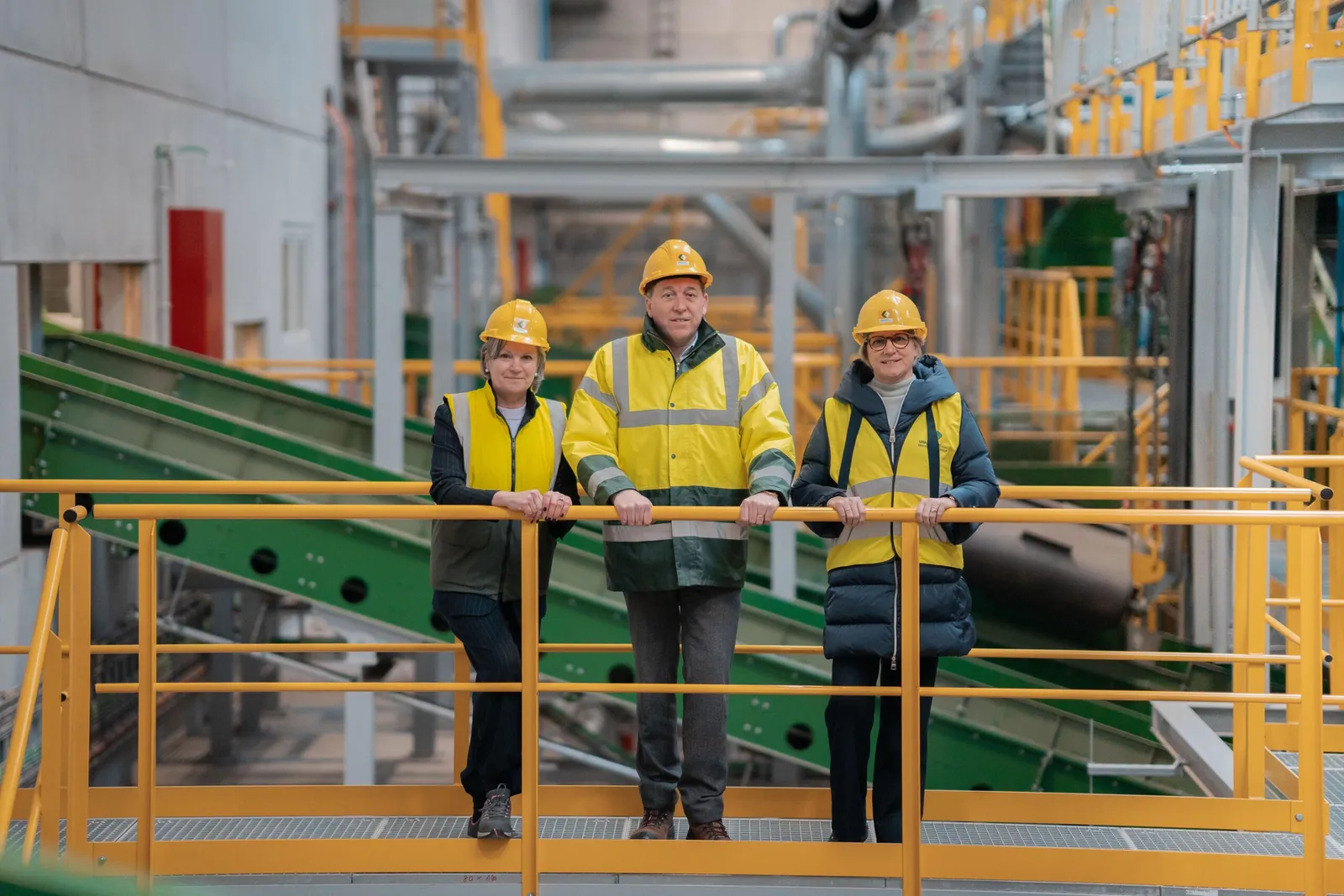
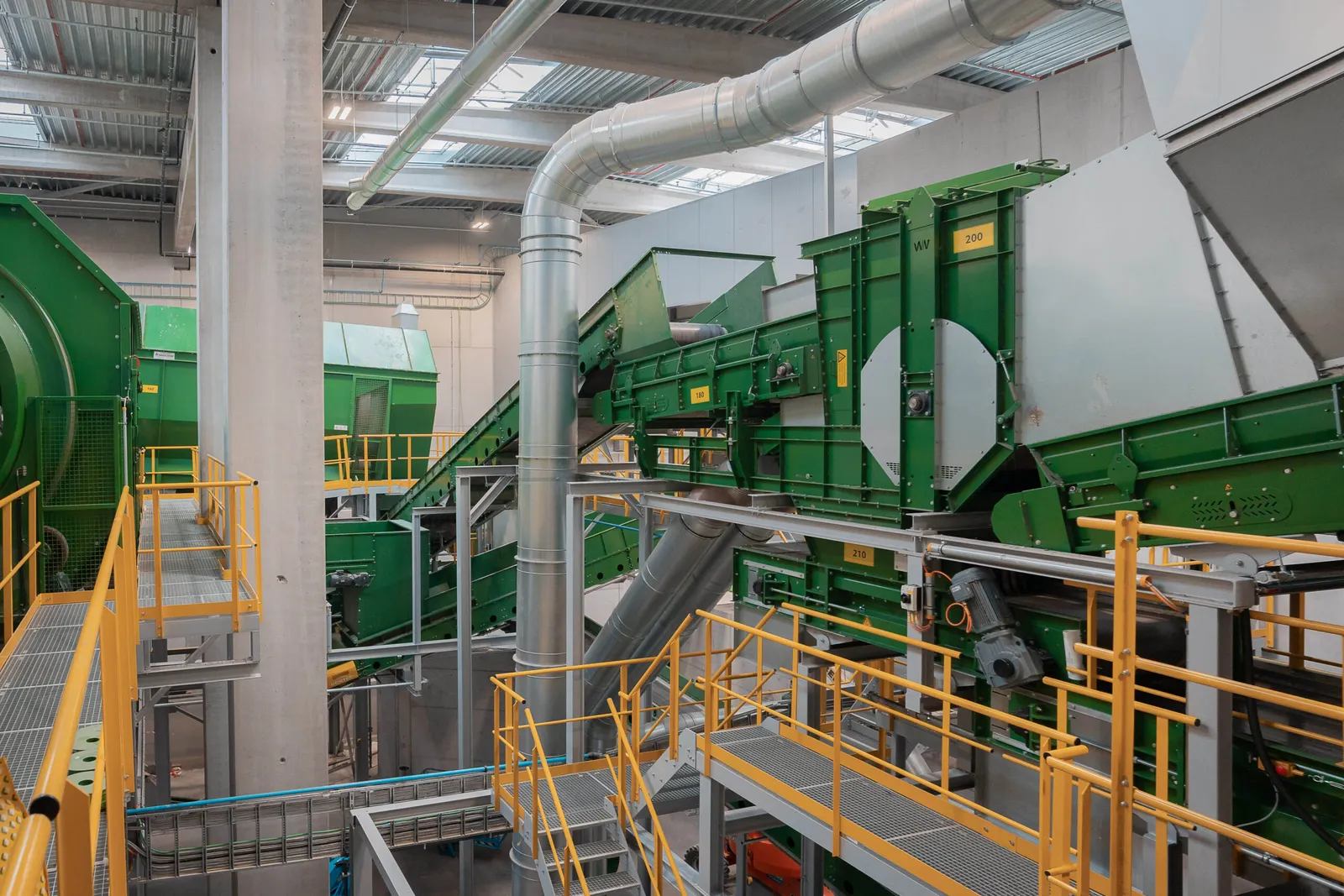
What happens to the residual waste left over after PMD sorting? Until now, usually nothing. But that is changing thanks to Vanheede Environment Group. A brand-new sorting line has been inaugurated at its site in Rumbeke, the first in Belgium to also process residue from other PMD sorting centres. This first-of-its-kind facility will save up to 35% more recyclable material from incineration every year.
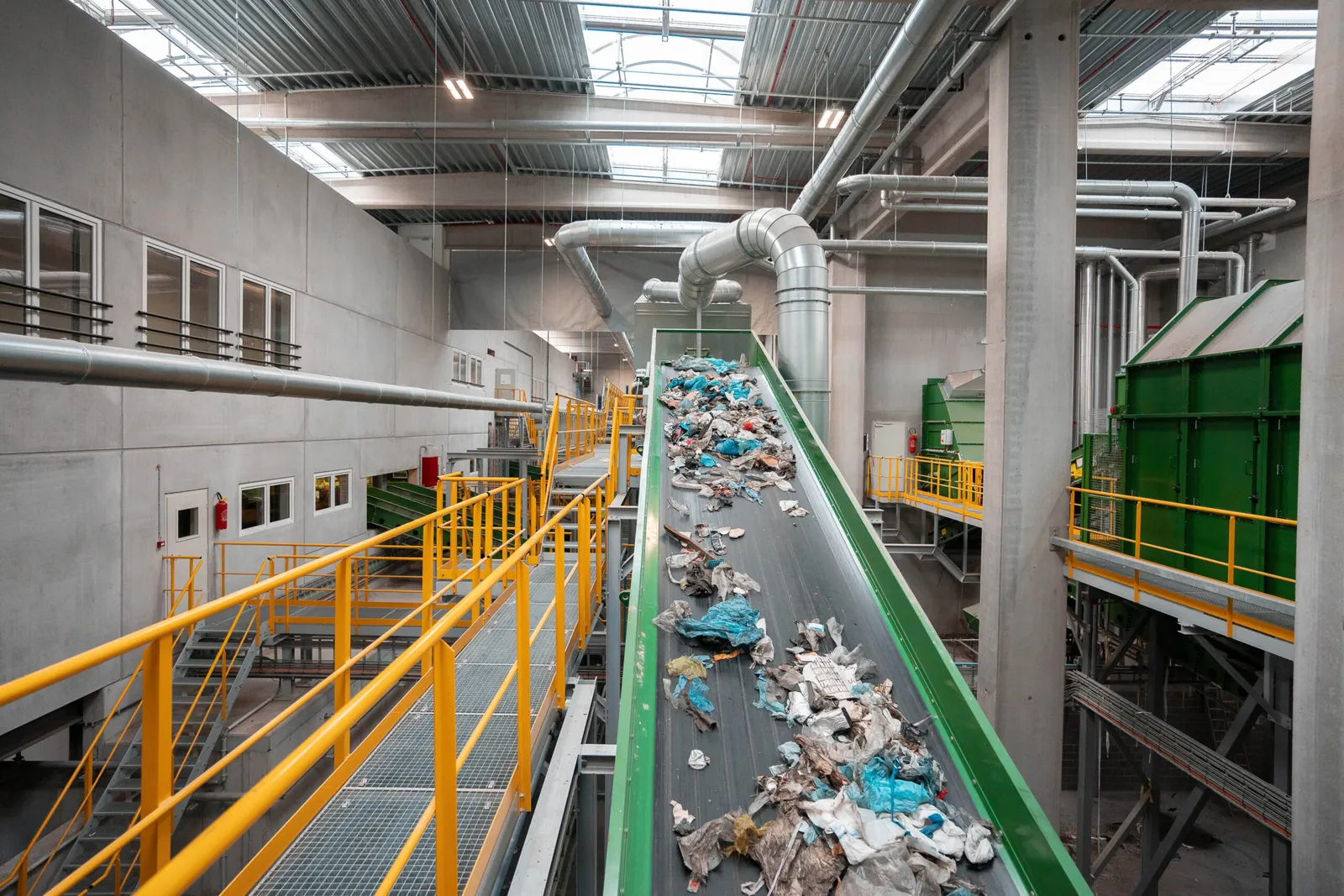
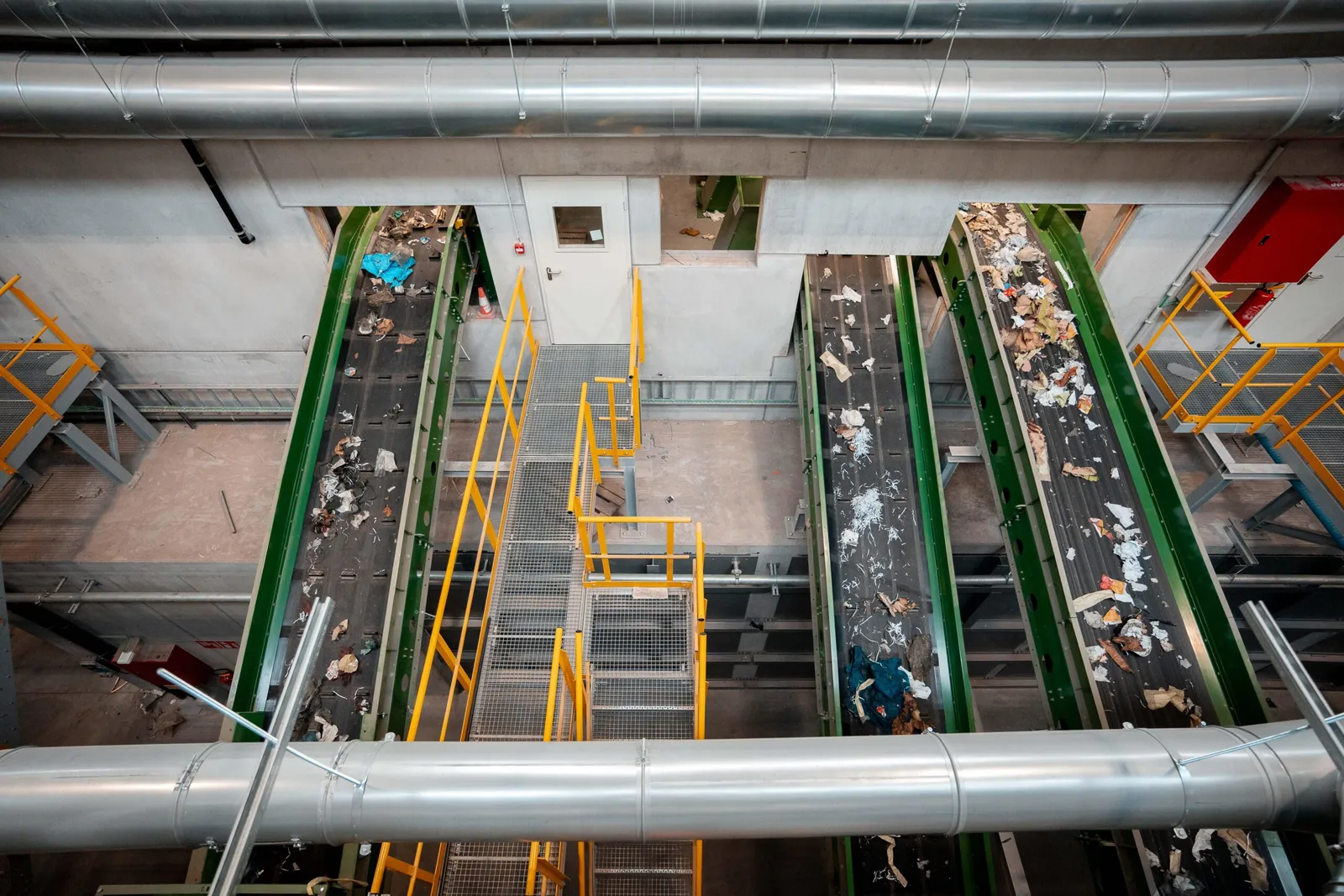
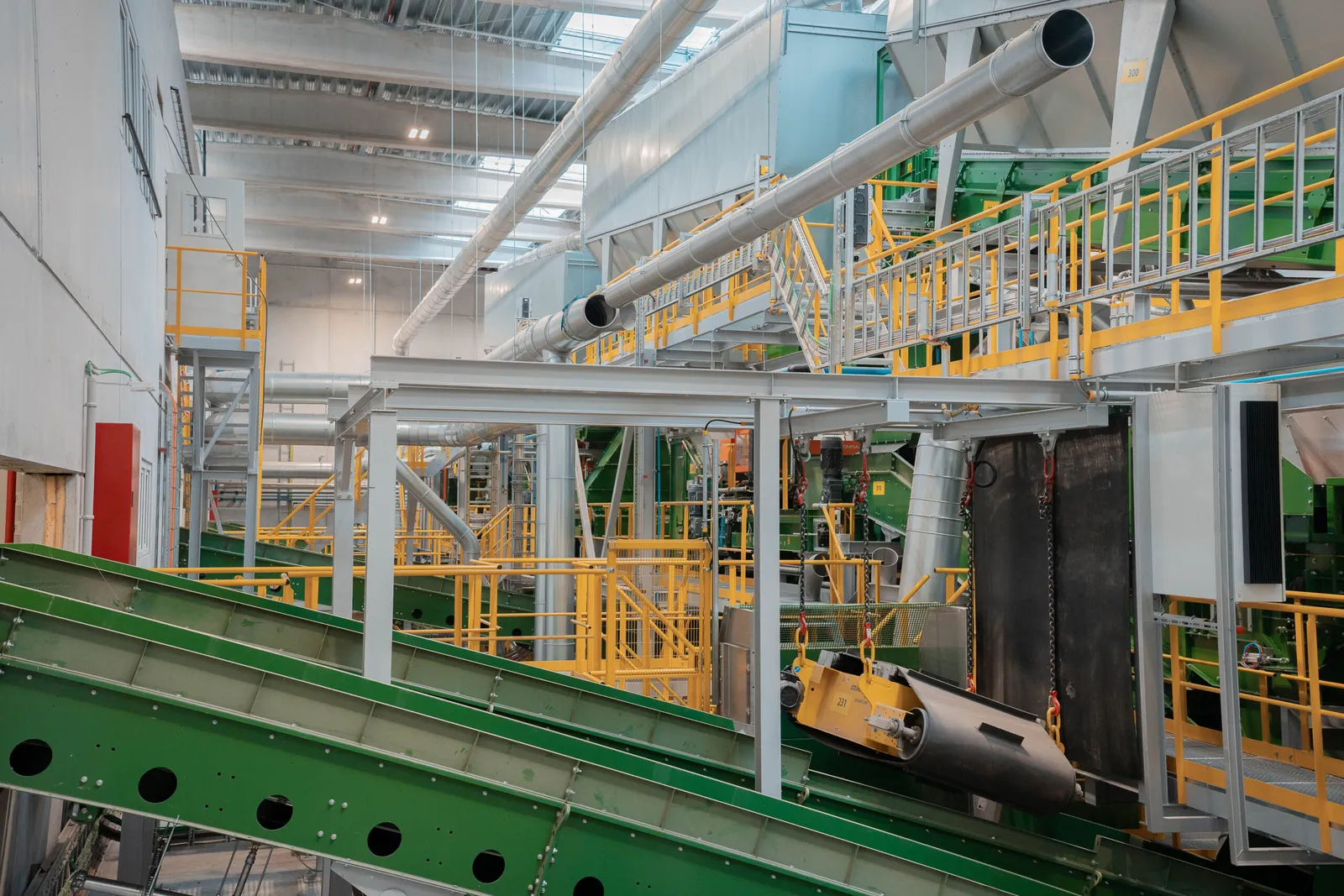
“What was once considered ‘unusable’, we see as a new raw material,” says Jürgen Desmedt, BU Manager at Vanheede. “We deliberately opted for complexity in this project. PMD residue from other sorting centres, such as festival waste, street bins and difficult-to-separate commercial waste, requires sophisticated technology. That is why we talk about ‘advanced sorting’: a combination of air-based techniques, sensor recognition, bulk density, eddy current separation and magnets. The process is largely automated, with manual quality control where needed. The sorting yield? Equivalent to the PMD waste produced by a small Belgian province.”
Going beyond the requirements
Vanheede invested 40 million euros in the sorting line and associated site improvements. Four existing buildings were demolished, and the entire logistics flow, from weighbridge to storage area, was redesigned. Sustainability was also central: all installations run on self-generated electricity, waste heat from the compressed air is shared with neighbouring company De Wulf, and fast-closing, sealable doors limit dust and disruption. The new traffic plan handles 285 deliveries and collections a day without congestion.
The new line triples the site’s capacity to 150,000 tonnes a year and recovers 75,000 tonnes of material annually. This means Vanheede is actively contributing to the targets of the Flemish Vlarema policy and the European PPWR legislation, which require companies to make waste streams as recyclable as possible. “But we go beyond the law,” says Desmedt. “We want to anticipate what will be needed tomorrow. And if it is technically possible to recover value from residual streams, then we should do so.”
The power of secondary sorting
A key part of the story is the collaboration with Fost Plus, which is responsible for the sustainable management of household packaging waste in Belgium. “Vanheede is currently the only partner with whom we have a contract to carry out secondary sorting of PMD residue from other sorting centres,” stresses Valerie Bruyninckx, spokesperson for Fost Plus. “What is considered the end point at other facilities gets a new beginning here. Only by making use of absolutely everything can we build a society in which packaging no longer becomes waste.”
The secondary sorting line creates 50 additional jobs and is part of Vanheede’s wider Recycling Revolution. Its aim is not just to focus on processing, but on driving change: turning waste into circular raw materials. The group processes 1.2 million tonnes of waste a year in total, more than 98% of which is put to useful use, making it one of the top 5 players in the Benelux and northern France.
Question about this story? Ask your question
Keep following this
Get an email when a new story is published. No account needed.
- ThemeMaking plastics and packaging circular
- SubjectNews







