












Ultrafiltration and activated carbon: a winning combination
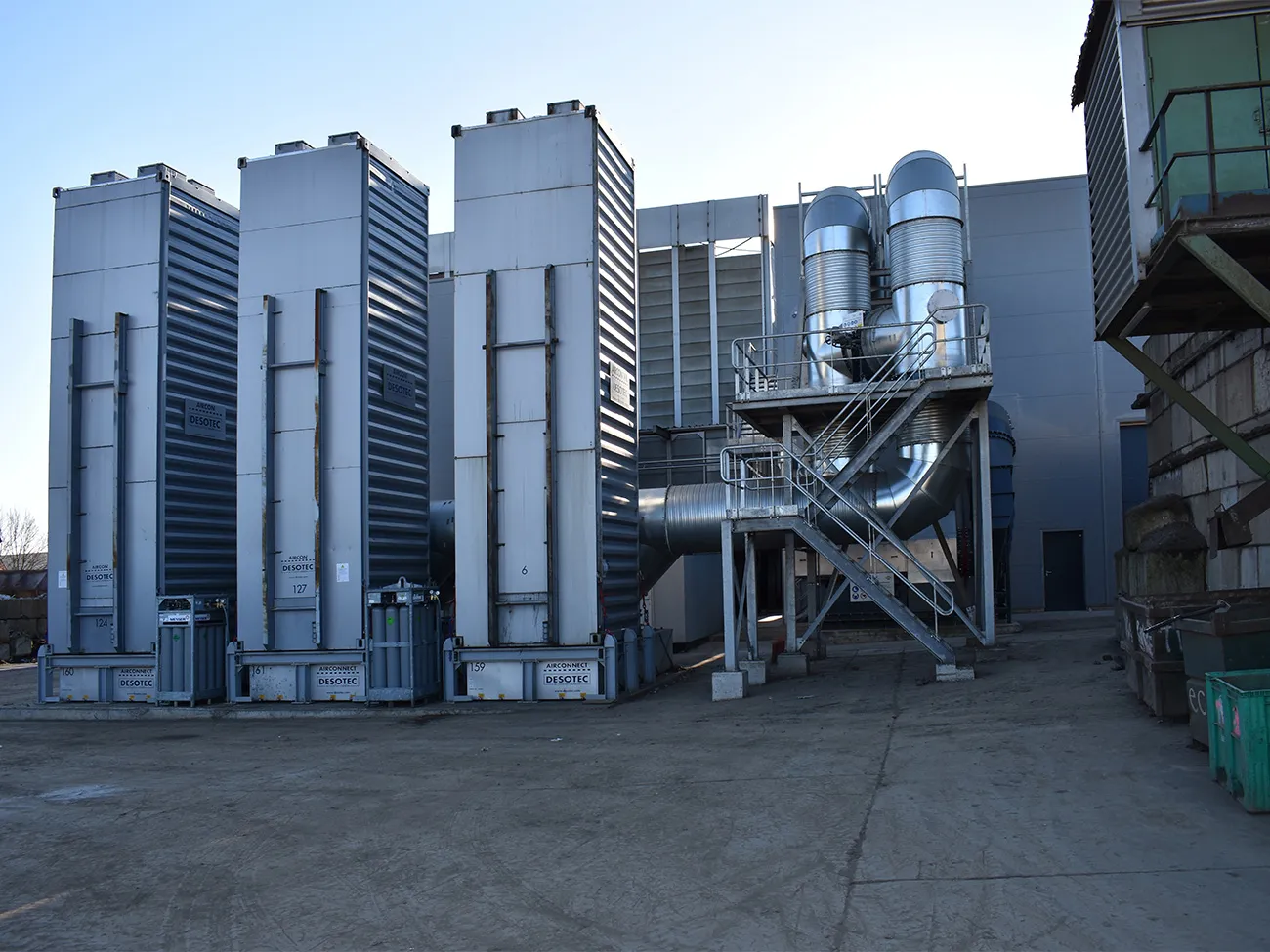
Wallonia’s atmospheric emission standards are considered the strictest in Europe. GDE, Groupe Derichebourg recently called on Lybover AIR to bring its metal shredder in Aubange into compliance with these new emission standards by installing additional filtration systems. Lybover’s unique solution, combining ultrafiltration and activated carbon alongside the existing cyclone and wet scrubber, now treats emissions from the shredder’s extraction system. It has significantly reduced emission levels, with some results up to three times lower than the regulatory limits. Mission accomplished.
GDE, Groupe Derichebourg is one of Europe’s leading recyclers and recoverers of ferrous and non-ferrous waste. With a history dating back to 1965, the company is helping shape the circular economy and sustainable development. In 2020, this resulted in almost 2.8 million tonnes of recycled material. This is achieved across 85 sites in Europe, where waste is given a second life by recovering it and reintegrating materials into the production process. At its site in Aubange, Wallonia, GDE, Groupe Derichebour operates a 3,000 hp scrap shredder. Since 2018, GDE, Groupe Derichebourg has been committed to reducing emissions there and meeting the particularly stringent standards introduced in Wallonia. The company turned to Lybover for help.
Up to 2,000 times lower than the lowest emission limits
Given the lack of experience with such low thresholds, an extensive study was followed by the installation of a pilot plant in 2020 to assess emission reductions. In early 2021, Lybover was awarded the contract to install and commission an atmospheric emission treatment system using ultrafiltration and activated carbon, alongside the existing filtration system comprising a cyclone and wet scrubber. GDE, Groupe Derichebourg R&D manager Gaylord Renard explains the challenge they faced: “Achieving such low emission levels, up to 2,000 times lower than the lowest threshold values in Europe, was a real leap into the unknown, which we overcame through teamwork.” Following a 3D scan, Lybover’s team designed the installation in detail before assembling and commissioning it on site.
A two-stage project
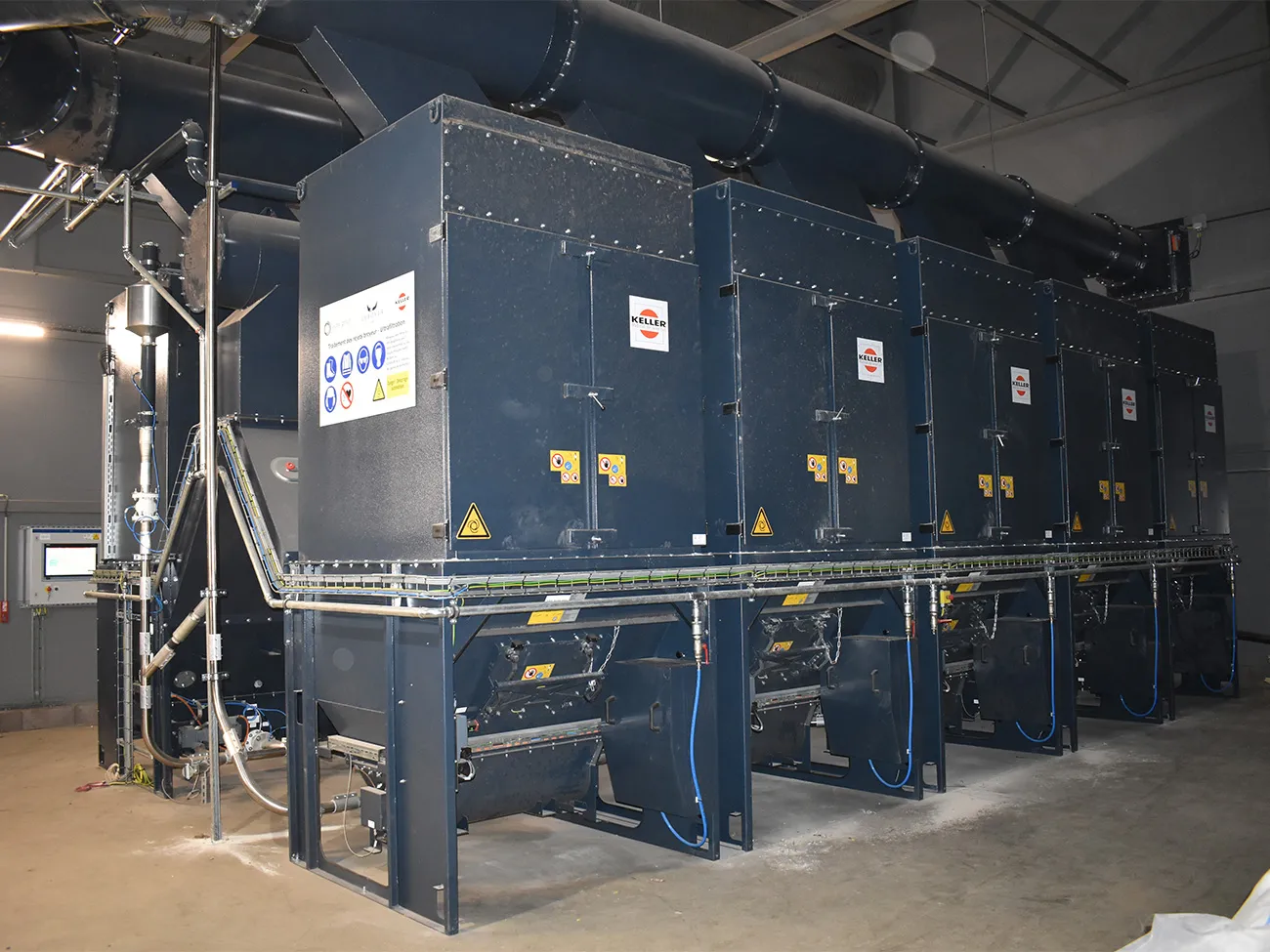
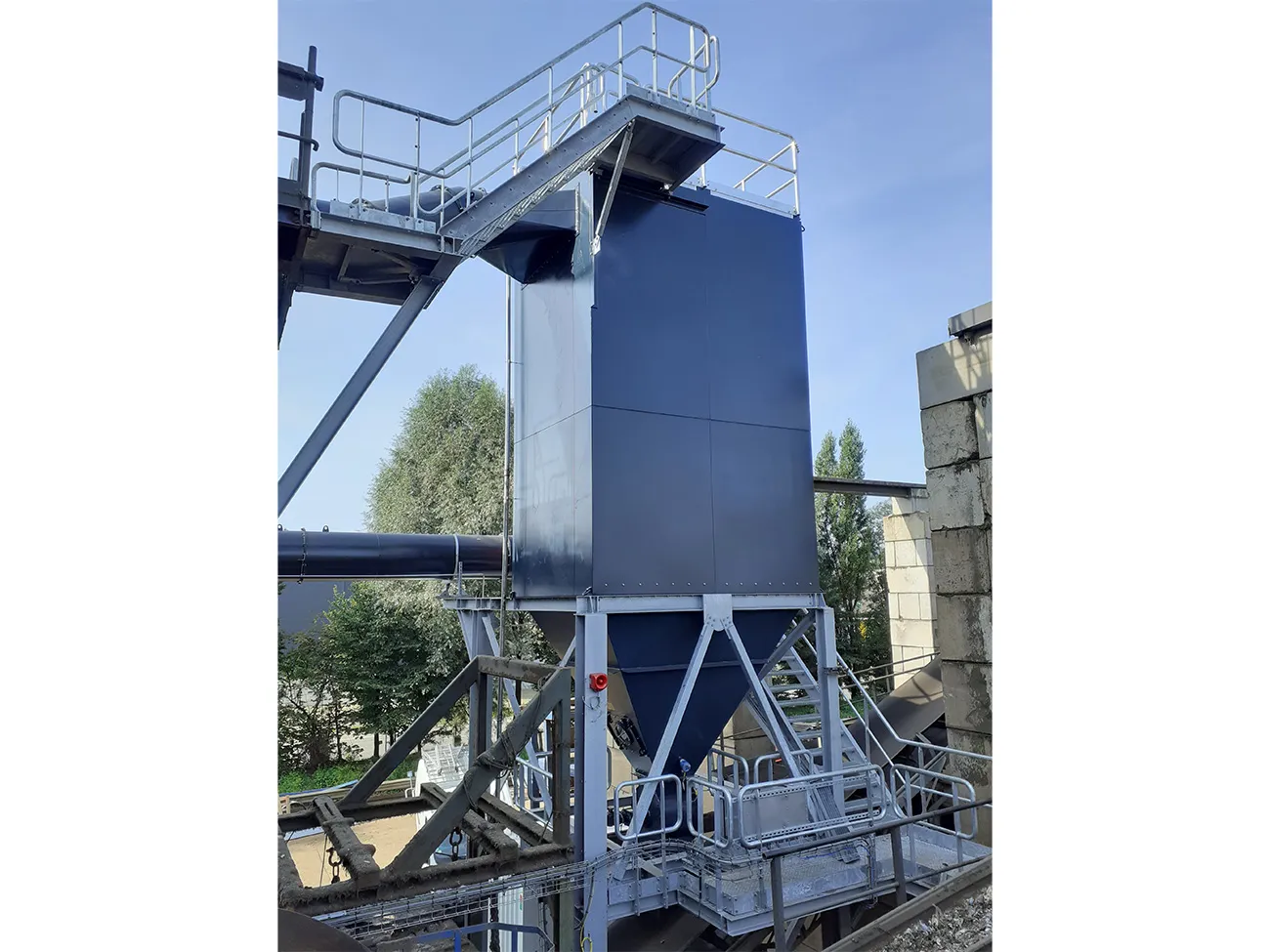
The first stage of the project involved installing a bag filter to improve emissions from one of the extraction hoods used for the initial separation of waste from the shredder. This first stage was validated by emission measurement results showing a significant reduction in values. We were on the right track. In a second stage, an ultrafiltration system with filter cells from Lybover partner Keller Lufttechnik GmbH was installed to ensure optimum removal of all residual particles. Mobile activated carbon filters from partner DESOTEC were added to treat the remaining gases. “Lybover enabled us to meet the dual challenge of complying with the thresholds while also adhering to the very tight schedule imposed on us,” Renard says, summing up the benefits of the partnership.
Delivered in record time
Despite the challenging conditions facing global industry as a result of the Covid-19 pandemic, the delivery deadline was met. The results of several emissions studies enabled GDE, Groupe Derichebourg to resume its metal recycling activities at its Aubange site at full capacity. The shredder now operates with reduced emissions, some of which are up to three times lower than the regulatory limits.
Question about this story? Ask your question
Keep following this
Get an email when a new story is published. No account needed.
- ThemeRecovering metals and creating value
- SubjectNews







