












Tyre collection needs to change
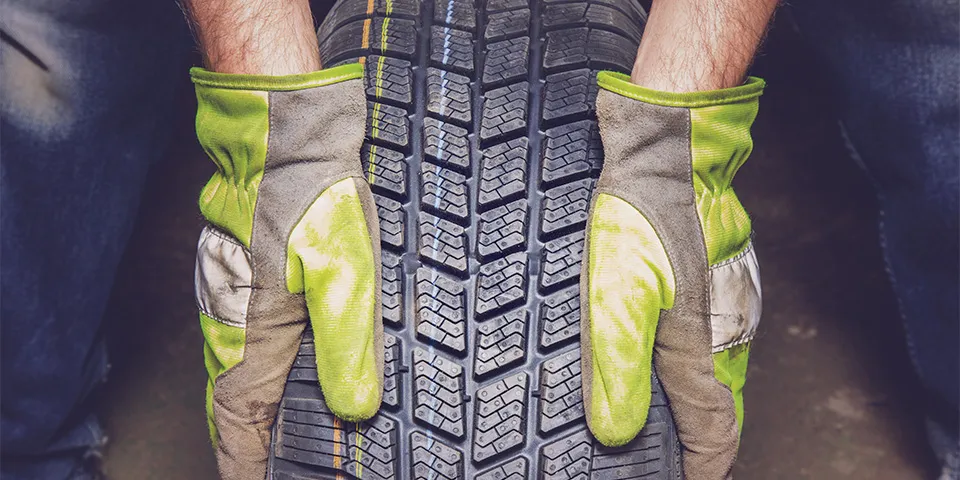
To make real progress towards a circular society, raw materials must be recovered and reused locally. When it comes to tyres, go4circle says we are still a long way from this ideal. The sector federation wants extended producer responsibility to be implemented differently.
Extended producer responsibility was introduced to encourage producers to redesign their products with ecodesign, design for recycling and longer service life in mind. Article 21 of the Materials Decree enshrines the principle of extended producer responsibility in Flanders. Among other things, this gives the Flemish Government the power to require producers to collect, take back and process waste. So much for the theory. For tyre collection, RECYTYRE is responsible for putting this principle into practice. But things are not running smoothly. Today, there are major differences in the approach taken by operators and by those responsible for extended producer responsibility for tyres. go4circle wants to raise these concerns.

The draft agreements in Flanders and Wallonia provide for a 10% reuse rate, while RECYTYRE currently manages just 2.94%.
An operator itself
The sector federation’s main concern is that RECYTYRE also acts as an operator itself. The organisation meets the definition of a broker or trader under European and regional legislation. This makes it both judge and party in tyre collection. It has already created considerable mistrust, and sometimes even a complete breakdown in trust, between operators and the management body. For example, when operators provide information about the channels they use, this is turned against them: the organisation then contacts those same companies to suggest that they bypass the collection operator. According to go4circle, operators are therefore not partners in the success of extended producer responsibility, but lemons to be squeezed. In the absence of new environmental ambitions, the original aim of achieving high-quality waste management has given way to a financial objective: putting pressure on prices.
Regions need greater distance for better oversight
In this light, the federation cannot understand why Brussels and Flanders signed new agreements before checking whether all the provisions of the previous agreements had been complied with. Where, for example, are the consultation meetings with operators that were supposed to take place? Where is the auditing company tasked with checking the organisation’s accounts and results, appointed in consultation with the region? No waste operator, and not even any other company, can count on such indulgence from the authorities. That is why go4circle believes it is not appropriate for the regional authority to have a seat on the Board of Directors. The regions should not take part in decision-making, but should regulate and oversee the system, keeping the necessary distance from a waste management operator.
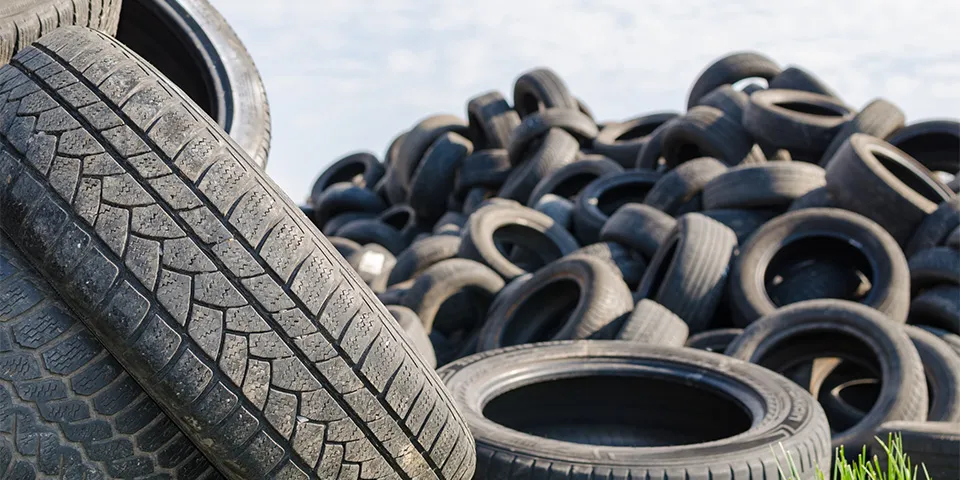
The federation also calls for the requirement to use containers everywhere to be scrapped. Customers should be able to choose the collection method that best suits them.
Alternatives
Go4circle also has proposals for breaking the deadlock. Plan A is to stop allowing everything. Garages and collection centres must be inspected. They must hand in not only all scrap tyres, but all tyres that their owners discard. There are still too many parallel channels in Belgium. Like Recupel, RECYTYRE has a responsibility to eliminate them. The definition of scrap tyres must also be made clearer. The federation also calls for the requirement to use containers everywhere to be scrapped. Customers should be able to choose the collection method that best suits them. A binding reuse target is needed. The draft agreements in Flanders and Wallonia provide for a 10% reuse rate, while RECYTYRE currently manages just 2.94%. Go4circle supports financial penalties if targets are not met. Retreading must once again become a priority to make the sector more circular. Europe can also play its part by setting a minimum recycled content requirement for tyres.
Plan B
Under Plan B, RECYTYRE regulates the market. If the Regions are prepared to allow RECYTYRE to regulate collection and processing, as seems clearly to be the case, go4circle insists that public procurement rules and transparency requirements be imposed. Only if this too proves impossible does go4circle advocate abolishing RECYTYRE. The federation sees a system in crisis, often because there is no proper legal basis for waste management activities. It also points to the prices set by a monopolistic organisation for collection and processing, which continue to hinder free competition and the development of business activities. Thirdly, it notes that the new
approaches to the circular economy have created no additional value in waste management. The targets remain non-binding.
Question about this story? Ask your question
Companies in this story
Keep following this
Get an email when a new story is published. No account needed.
- ThemeCircular business under changing regulations
- SubjectNews
- CompanyRecupel







