












Turning used beverage cartons into quality materials and products
Text and images Tetra Pak
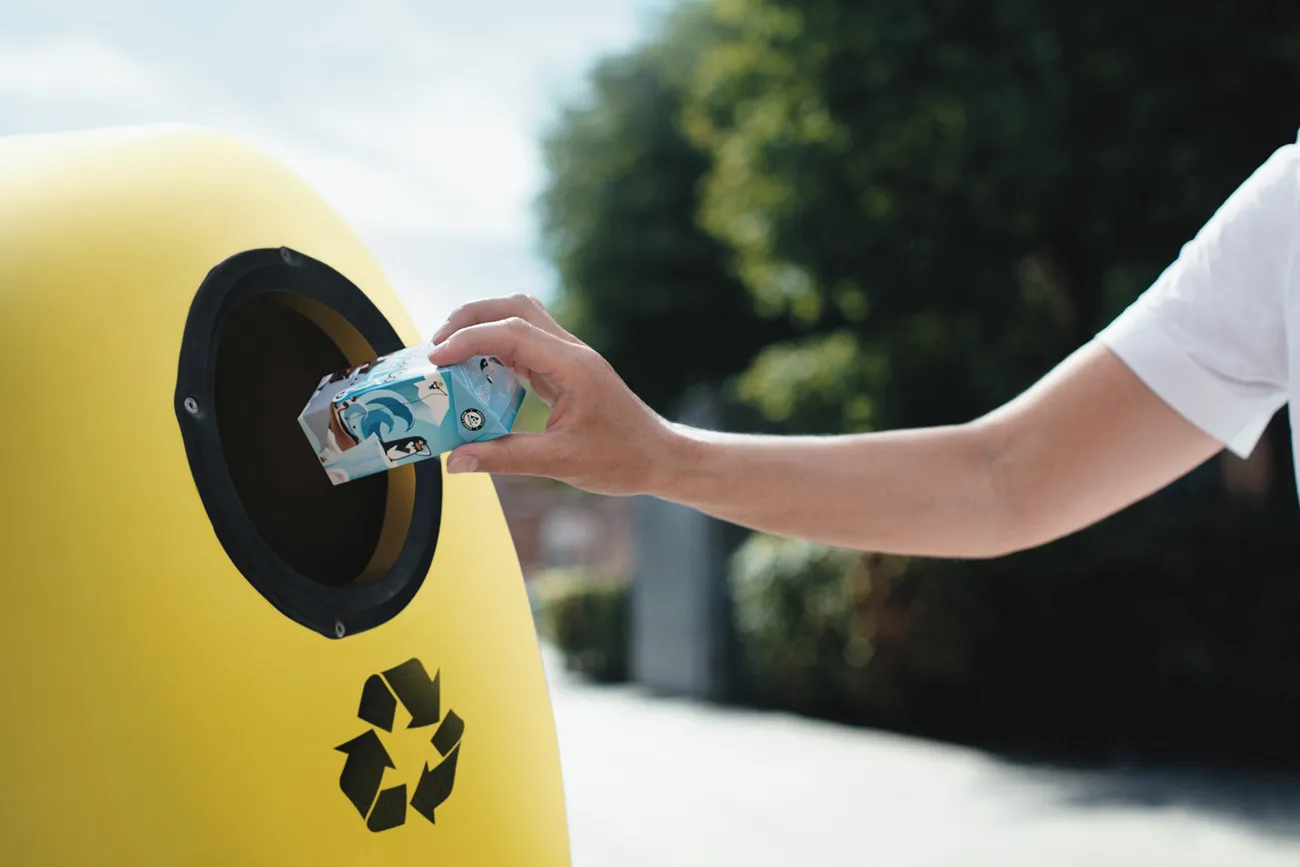
The World Bank expects the global volume of waste to increase by 70% by 2050 if drastic measures are not taken immediately. Despite the essential role food packaging plays in feeding a growing global population, it can worsen the problem if it is not collected and recycled properly.
On Earth Day, 22 April, Tetra Pak highlighted some of its recent recycling initiatives. These aim to keep valuable materials in use and prevent them from ending up in landfill. The initiatives form part of the company’s decades-long investment in collection and recycling infrastructure around the world. As a result, the number of recycling plants processing beverage cartons worldwide has risen from 40 in 2010 to more than 200 today.
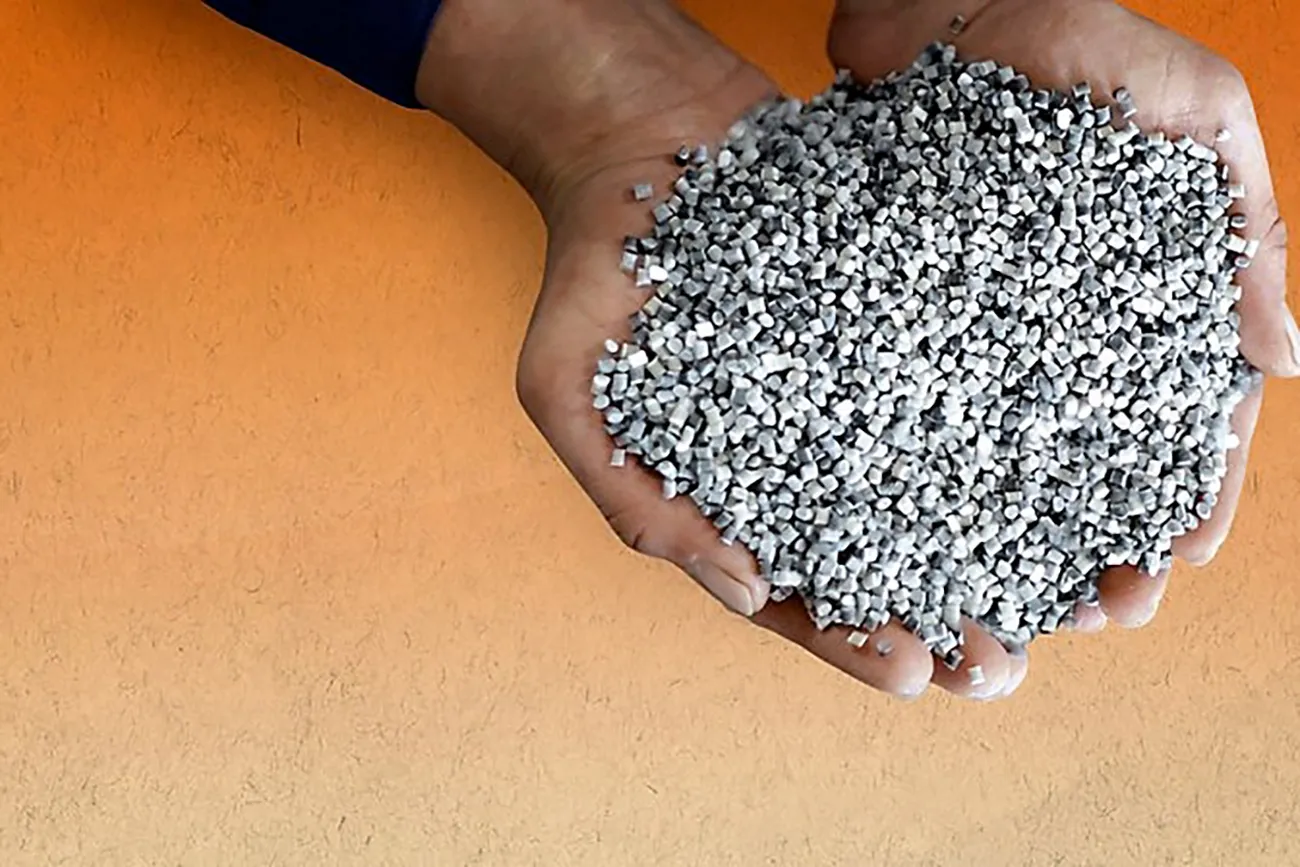
System-wide action and collaboration
Markus Pfanner, Vice President Sustainability Operations at Tetra Pak, stresses that building a circular economy requires system-wide action and collaboration. This must be supported by a regulatory framework that creates the conditions for turning challenges into opportunities wherever possible. “We need to move away from a linear ‘take-make-waste’ model towards a more connected circular economy. But being part of a circular solution cannot be driven by one person or entity alone. Scientists, policymakers, recyclers, industry players and consumers all need to work together.”
Sustainable change
Beverage cartons are recyclable where adequate collection, sorting and recycling infrastructure is in place. Tetra Pak estimates that 1.2 million tonnes of beverage cartons were collected and recycled worldwide over the course of 2021. However, the picture is highly fragmented across the world, and sustainable change is only possible through collective action, transformational innovation and bold investment.
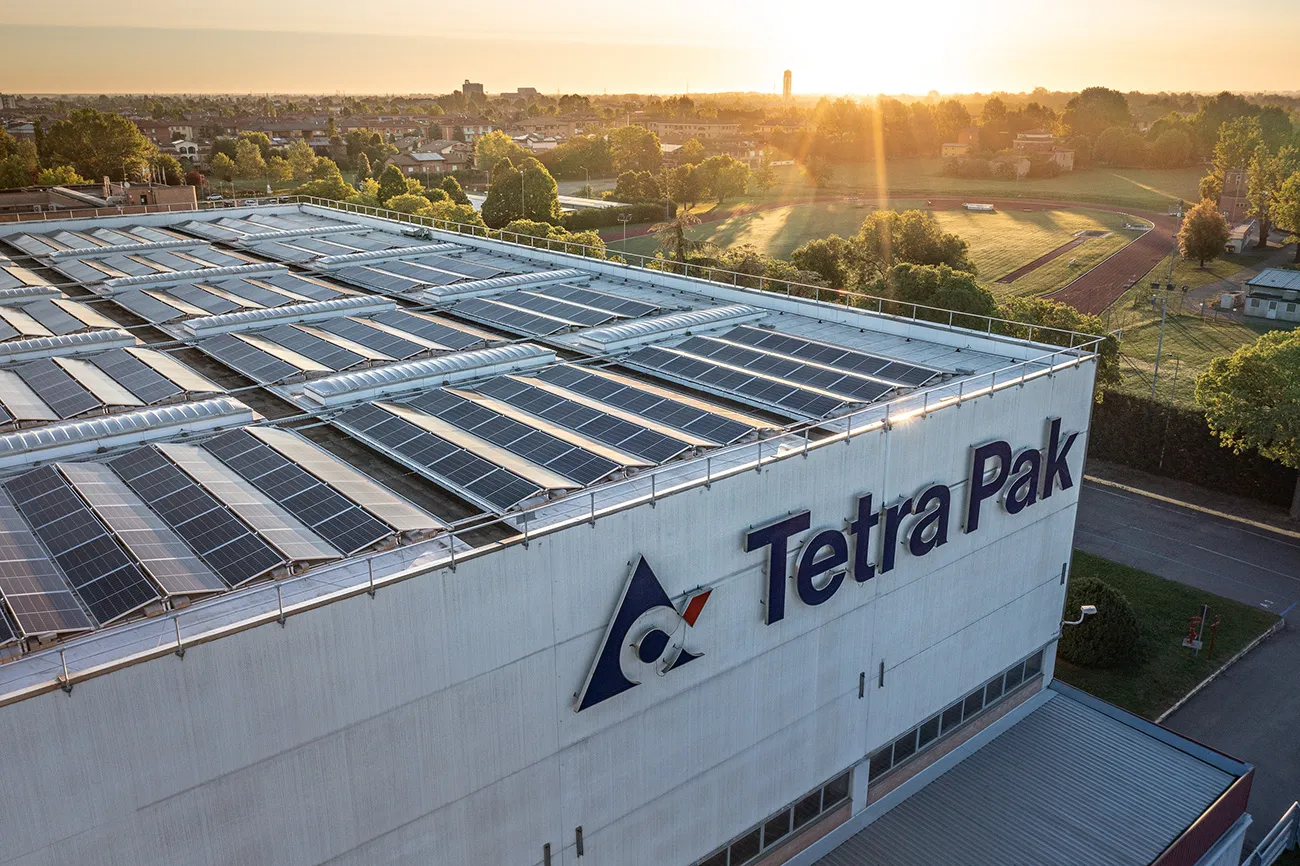
By the end of 2022, Tetra Pak had invested almost 30 million euros in various projects worldwide, with plans to go further and invest up to 40 million euros a year in the coming years. This supports its targets for the collection and recycling of beverage cartons. As part of the Alliance for Beverage Cartons and the Environment (ACE), the company supports the industry’s ambition to increase the collection rate for recycling beverage cartons in the EU to 90% and the recycling rate to 70% by 2030.
National recyclability criteria
The company’s targets also include meeting national recyclability criteria in the countries where it operates, as well as fulfilling the Ellen MacArthur Foundation’s Global Commitment, a shared vision for a circular economy focused on plastics. Tetra Pak’s recycling initiatives help turn used beverage cartons into as many high-quality materials and products as possible. This includes expanding recycling capacity through collaboration with various stakeholders, promoting new market opportunities for recycled materials and rethinking waste sorting as part of a more holistic approach to waste management systems.
Christine Levêque, Vice President Collection and Recycling at Tetra Pak, adds: “Three principles guide our circularity agenda: eliminate waste and pollution, keep products and materials in use, and regenerate natural systems. These initiatives show how innovation and a clear drive to change the status quo are key to keeping high-quality materials in circulation and minimising the use of virgin materials. None of these developments would have been possible without our 70 experts from around the world, who work every day with recyclers, local authorities and food and beverage producers to drive the transformation needed to scale up collection and recycling.”
Question about this story? Ask your question
Keep following this
Get an email when a new story is published. No account needed.
- SubjectNews







