












Transparency is the starting point for circularity

Society is undergoing far-reaching change. Our linear approach to producing and consuming must make way for a circular one. In response to this shift, Valipac drew up its new application for recognition for the 2022-2026 period, in close consultation with all stakeholders in the chain. Here are the key points.
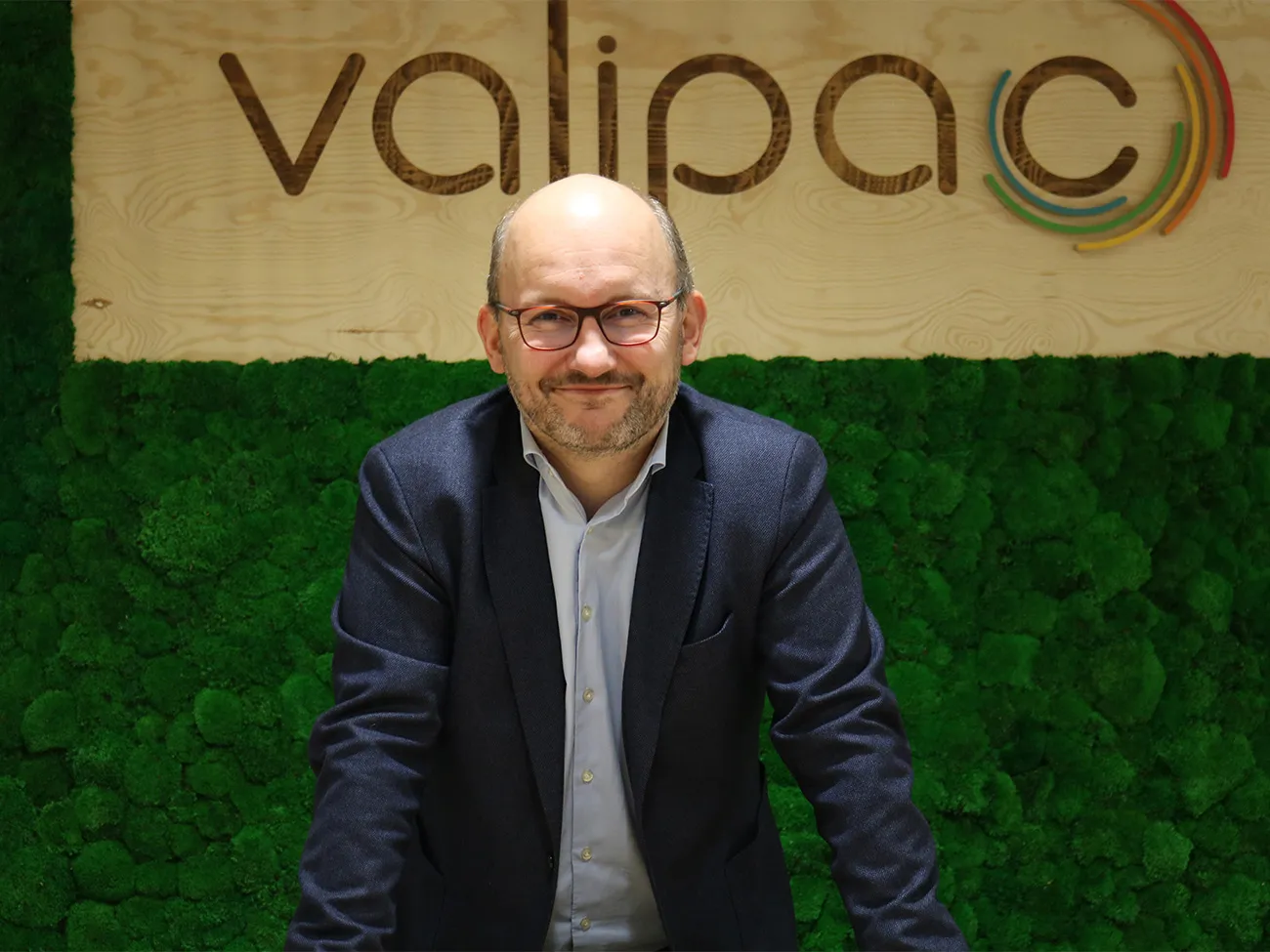
Since its establishment in 1997, Valipac’s model has focused mainly on registering and promoting the separate collection of packaging waste from businesses. It used a linear model to demonstrate recycling rates, and with success. Today, it achieves a recycling rate of 91.4%. “But, like society, we now want to move towards a circular model that brings all stakeholders on board so we can close the loop for business packaging. In future, we therefore want to use our financial resources more broadly, not only to promote separate collection but also to encourage circularity in these short supply chains,” says Xavier Lhoir, director Operations & Circular Economy at Valipac.
More separate collection
To achieve this, Valipac has set out six ambitions in its new application for recognition (see box). This will bring a number of changes to the way Valipac works with all its stakeholders. Here are some of the key changes. Lhoir: “To encourage more businesses to collect waste separately, the start-up grant will increase from 100 to 150 euros. For metal packaging, we want to persuade new operators to join Valipac. We will therefore introduce a recycling premium of 10 euros/tonne for metal.” Valipac can then use this data to establish a process of continuous improvement. “For example, the data we receive will allow us to run targeted communications campaigns to support our operators and raise further awareness among businesses about separate collection.”
Maximum visibility of end destinations
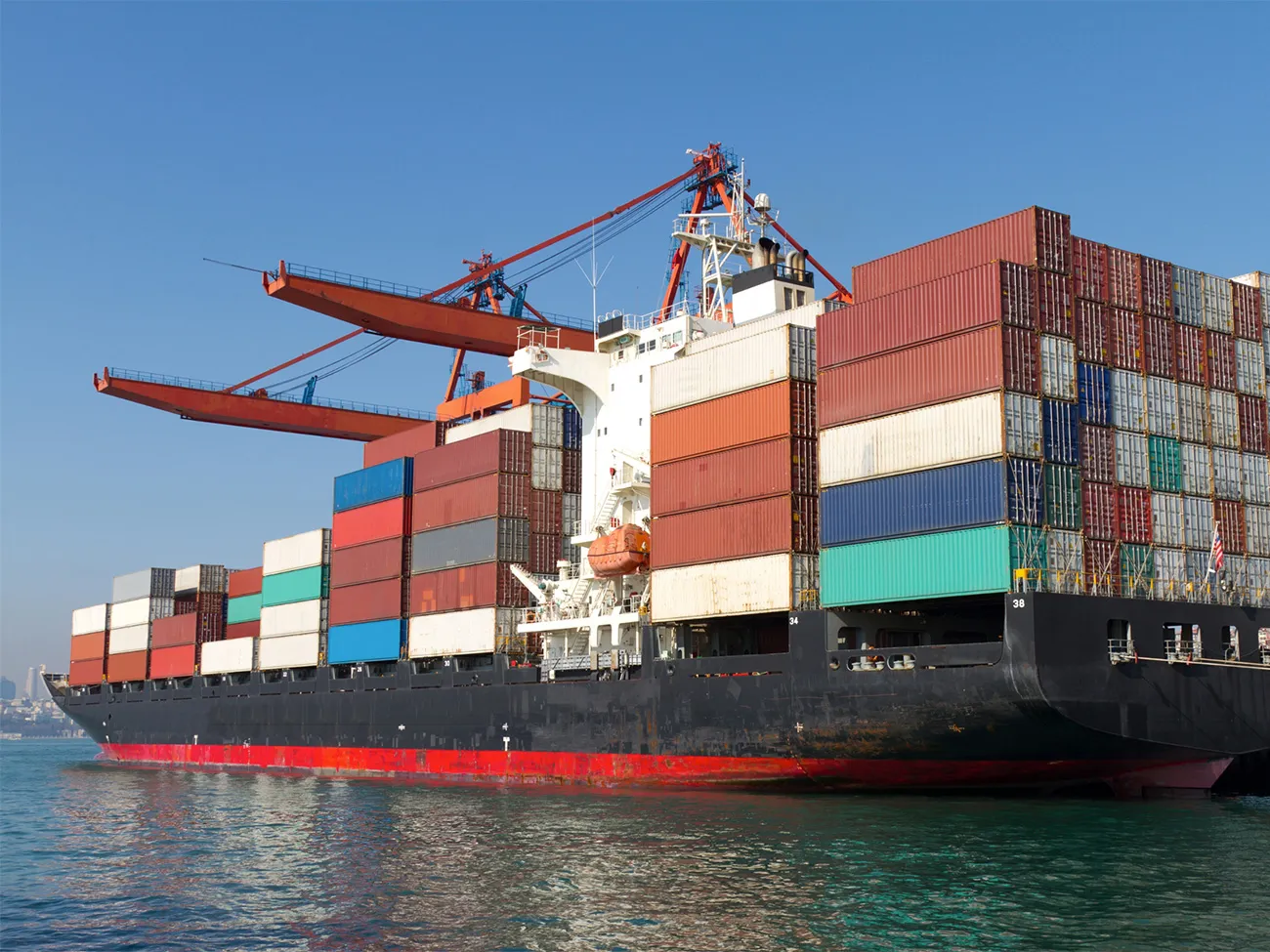
Data is a key pillar of Valipac 2.0. The organisation also wants to gain maximum visibility of the final destination of separately collected waste. “Any tonne of waste for which we have no information about its end destination will be excluded from our results, which will therefore affect the payment of premiums. We have already achieved this for the most part for plastics. For 2020, we managed to map the end destination of 97% of business plastic packaging. We now want to extend this to all streams of packaging waste from businesses,” Lhoir adds. Valipac wants to go a step further for plastic packaging waste and map actual recycling at the end destination too. “For countries outside Europe, we have partnered with SGS to check that both environmental and social standards are being met in final processing. The first audits of Turkish recyclers uncovered no irregularities and showed that the material is being fully recycled. SGS will resume the audits as soon as the coronavirus pandemic eases.”
More local recycling
The more local the recycling, the better it is for the environment, of course. Valipac therefore wants to encourage its operators to find markets closer to home for their plastic waste streams. “Those who recycle in Europe receive a contribution of 10 euros/tonne. If recycling takes place within a 300 km radius of Brussels, they receive a further 10 euros/tonne. If they work with EuCertplast-certified recyclers, or equivalent, we add another 5 euros/tonne. This support is possible because it will cost us less to check traceability and working conditions in Europe,” says Lhoir. The application for recognition is now with the IVC for assessment. Any changes can then be made in response to its feedback. Valipac operators will need to sign a new cooperation agreement in the spring. “We worked closely with our stakeholders to draw up the text of this recognition application and ensure it had the broadest possible support. We therefore expect little resistance to its implementation. We are all working towards the same goal. Transparency is essential to achieving a circular economy,” Lhoir concludes.
Valipac 2.0
• Encourage more businesses to collect waste separately
• Full visibility of end destinations for all materials and proof of actual recycling of plastic
• Promote local, high-quality recycling of plastic
• Promote recycled content in plastic packaging
• Encourage businesses to prevent waste and use reusable packaging
• Make packaging more recyclable, moving towards eco-modulation of the contribution
Question about this story? Ask your question
Keep following this
Get an email when a new story is published. No account needed.
- ThemeMaking plastics and packaging circular
- SubjectNews







