












Towards circular construction
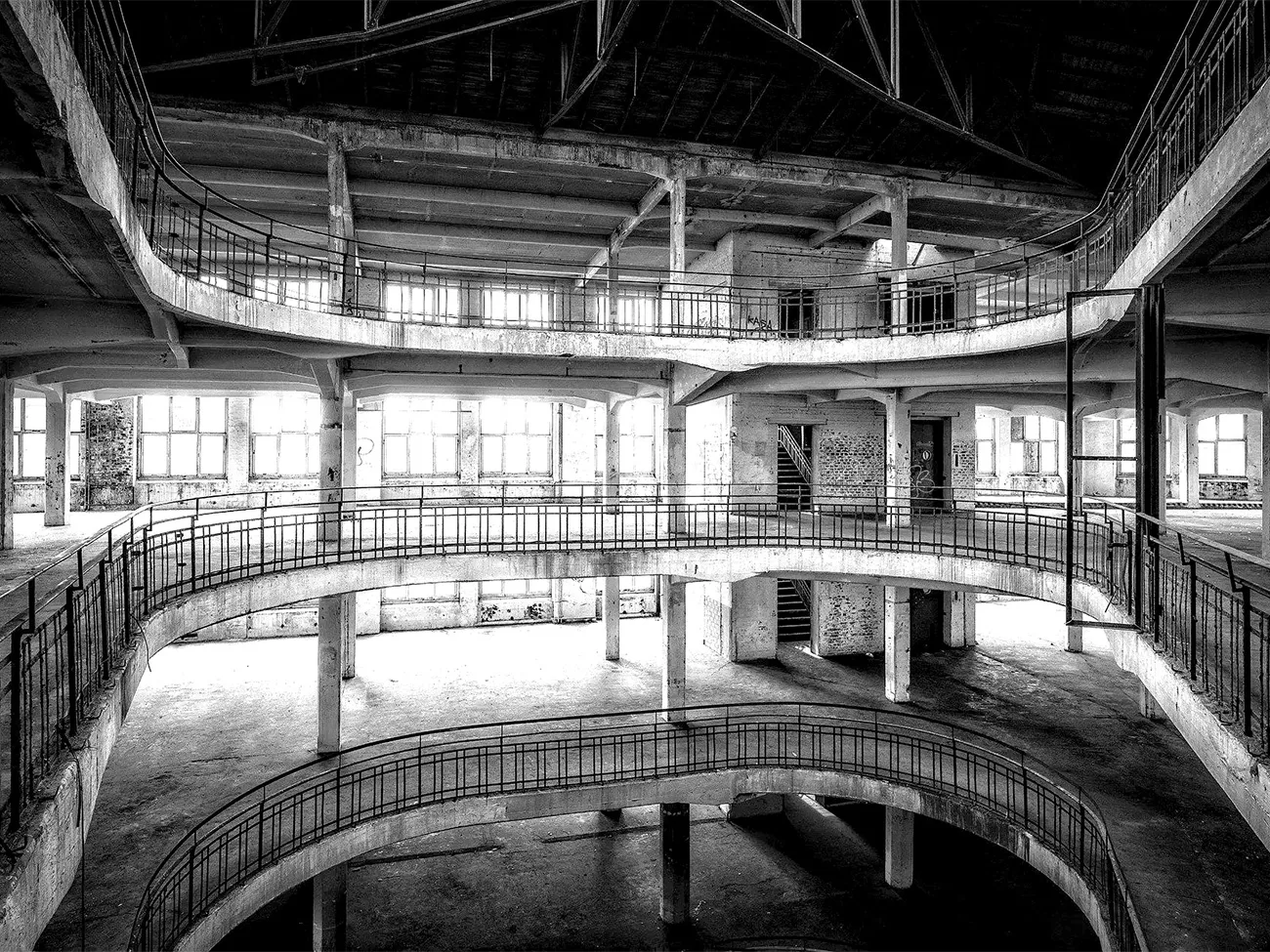
The traditional build-and-demolish cycle is depleting the earth at an extremely rapid rate. But what if used materials were not downgraded or thrown away? What if materials from our building stock could become the raw materials for new structures? This would transform traditional construction into circular construction. U-Mine aims to give circularity a boost by advising the people putting the circular economy in construction into practice and those developing ideas for it. It wants to give reusable materials a more prominent place in tomorrow’s construction and put urban mining on the map.
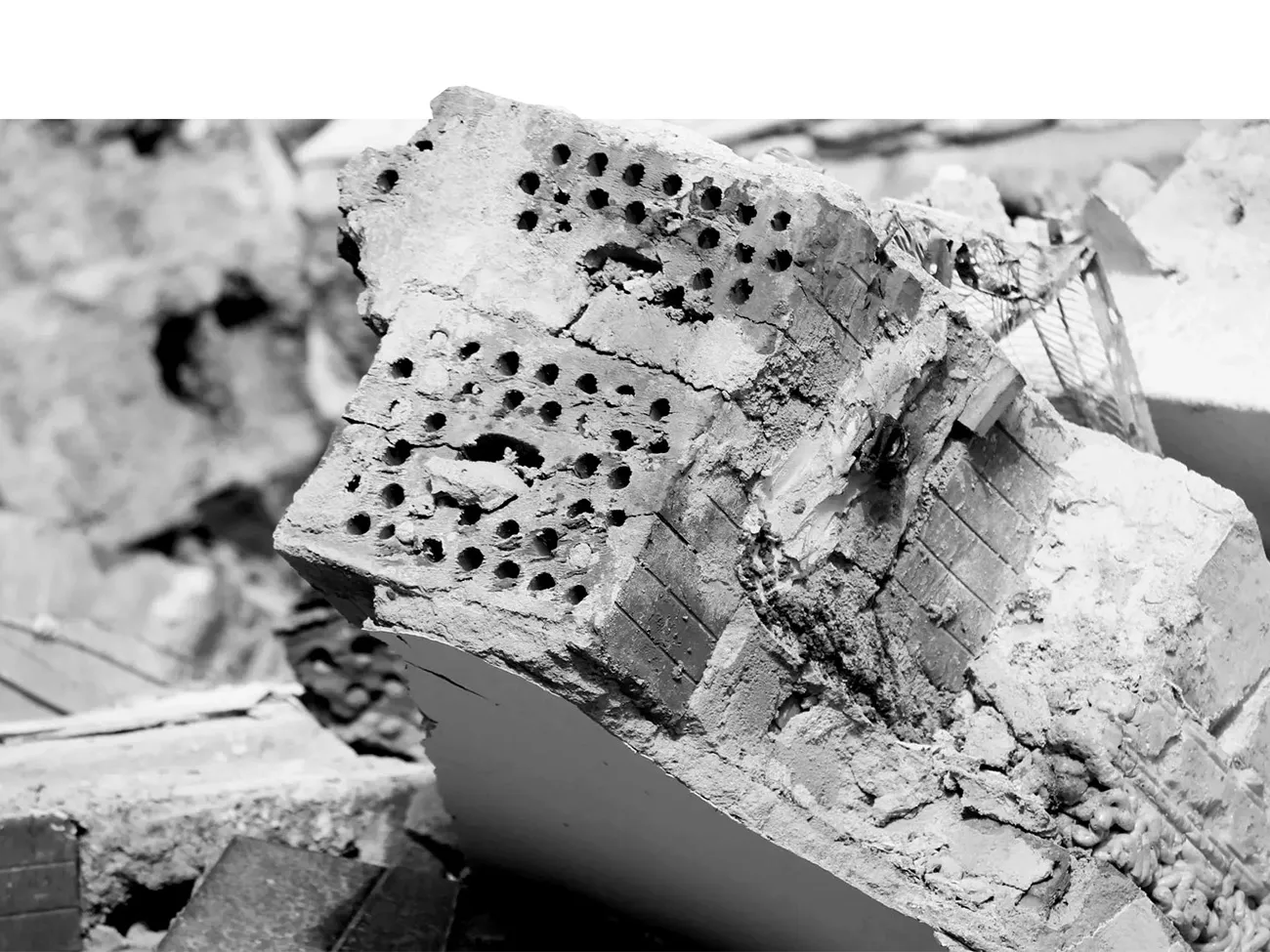
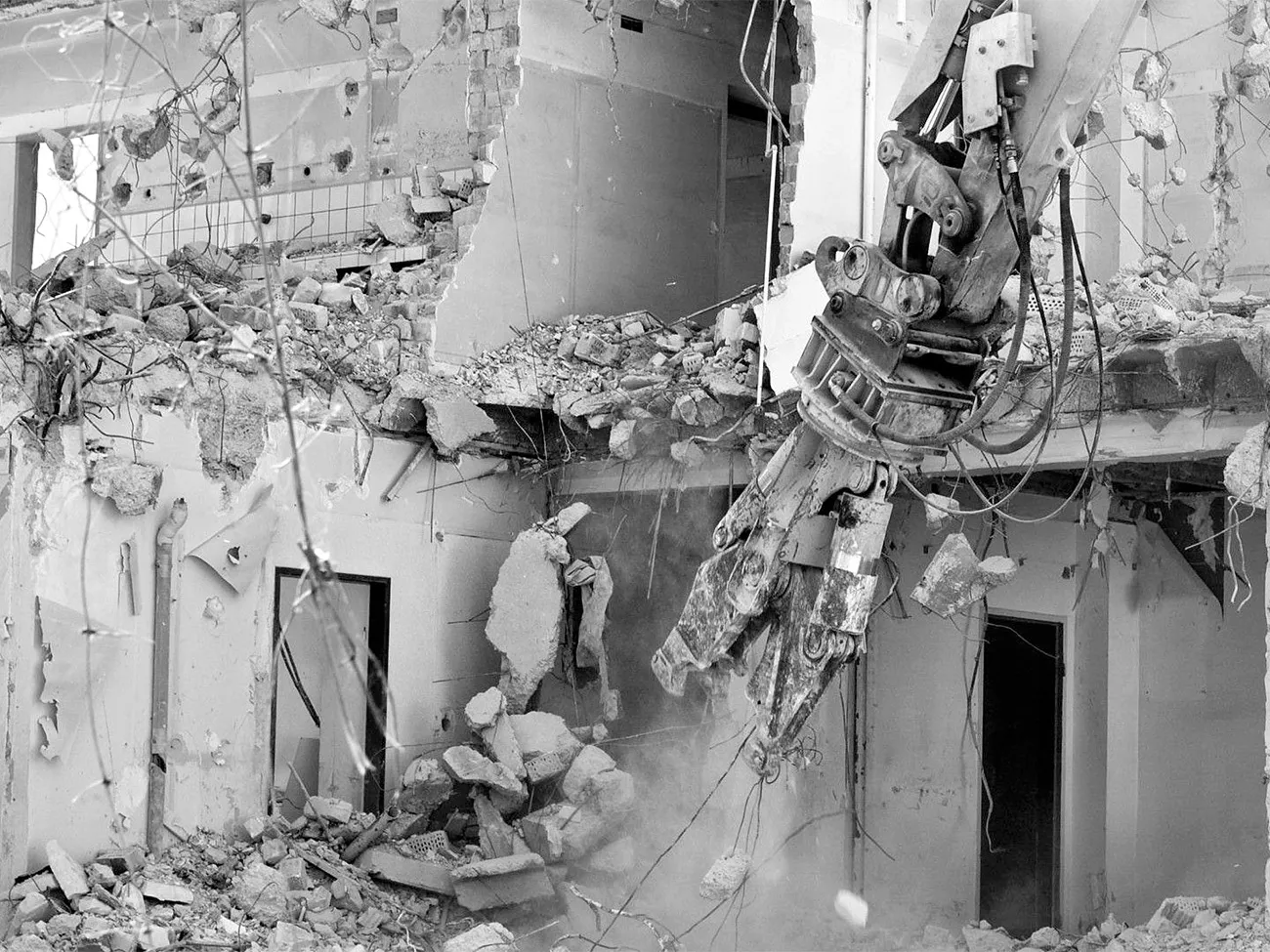
U-Mine aims to reduce the construction sector’s waste mountain and negative impact in demolition and renovation projects. Not by passing the waste mountain on to the next generation, but by tackling it straight away. Demolition sites become extraction sites, or urban mines. This involves examining which materials are durable, which have reuse potential and which assembly techniques are known. U-Mine also brings various sustainable partners into its network to promote their new technologies. But what methods and tools underpin the construction of tomorrow?
Materials passport
A materials passport provides a comprehensive overview of all the materials used, or to be used, in construction projects. It is the perfect tool for mapping the full circular journey of every material. This information forms the basis for determining which techniques have been used, maintaining existing structures and assessing the reuse potential of structures nearing the end of their service life. It also makes construction site preparation more transparent, enabling a clear structure to be maintained and keeping waste from surplus materials and offcuts to a minimum. A BIM model greatly enhances the passport, as the information it contains can also be represented in 3D. This means a building can first be constructed theoretically and then realised in practice.
Reuse inventory
U-Mine has also developed a reuse inventory: a clear list of potentially valuable or reusable materials. Each material is given a technical data sheet containing all the relevant information. The materials, technical data sheets and overall inventory together form a transparent tool for demolition sites. The residual value of these materials is also estimated, a process known as valorisation. This can provide a clear economic incentive to take part in this initiative. Finally, U-Mine aims to connect demolition sites with the right construction sites. By building a network in the circular economy, we connect demolition contractors with the builders of tomorrow. U-Mine also offers an online catalogue where materials that will become available in the future can find a new destination.
Environmental impact score
Based on various European and global studies, a number of parameters have been developed to determine the impact on people, animals and the environment. Materials can be assessed against these parameters, for example in terms of CO2 emissions. This makes it possible to compare materials. The development of tools for making these comparisons, such as TOTEM, gives architects and developers the opportunity to find the right materials with the lowest environmental impact. Reused materials are also included, enabling the entire chain to be closed circularly. Tools are also being developed to improve the maintenance and management of structures. Circular construction goes hand in hand with circular business models. Offering products ‘as-a-service’, with maintenance contracts agreed after the initial construction is completed, creates a recurring revenue model for the entrepreneur. The owner, meanwhile, is guaranteed a building that is in good condition and will remain so. This makes use and collaboration more enjoyable, while increasing the residual value of the products.
Question about this story? Ask your question
Keep following this
Get an email when a new story is published. No account needed.
- ThemeCircular construction and demolition
- SubjectNews







