












Towards 100 kg of residual waste per resident per year
The current implementation plan for household waste and comparable commercial waste is nearing its end. In 2022, input from all stakeholders will be brought together in a new document covering the period 2023-2028. We take you through the main priorities currently under discussion.
Through its implementation plan for household waste and comparable commercial waste, Flanders aims to bring all levels of government together to meet specific targets. First, it defines which waste is classed as household waste, which streams are commercial waste and which fall into the categories in between. It also sets targets to reduce residual waste and, consequently, incineration capacity. OVAM has already fired the first shot across the bows for the new 2023-2028 plan. The proposal is now being assessed for its environmental impact and discussed with the various stakeholders across the chain.
Ambitious target
The starting point for the new plan is the figure already set out in the Flemish Energy and Climate Plan: reducing residual waste to 100 kg per resident per year by 2030. Interim targets will be set to help achieve this during the period covered by the new implementation plan for household and comparable commercial waste. According to the latest figures, residual waste currently stands at 146 kg per resident per year. This puts us at the top in Europe, at least when residual waste generation is assessed in relation to the population’s prosperity. Flanders therefore wants to raise its ambition further in the coming years. Reaching 100 kg per resident will require a huge effort.
Separate collection of nappies and OBA too
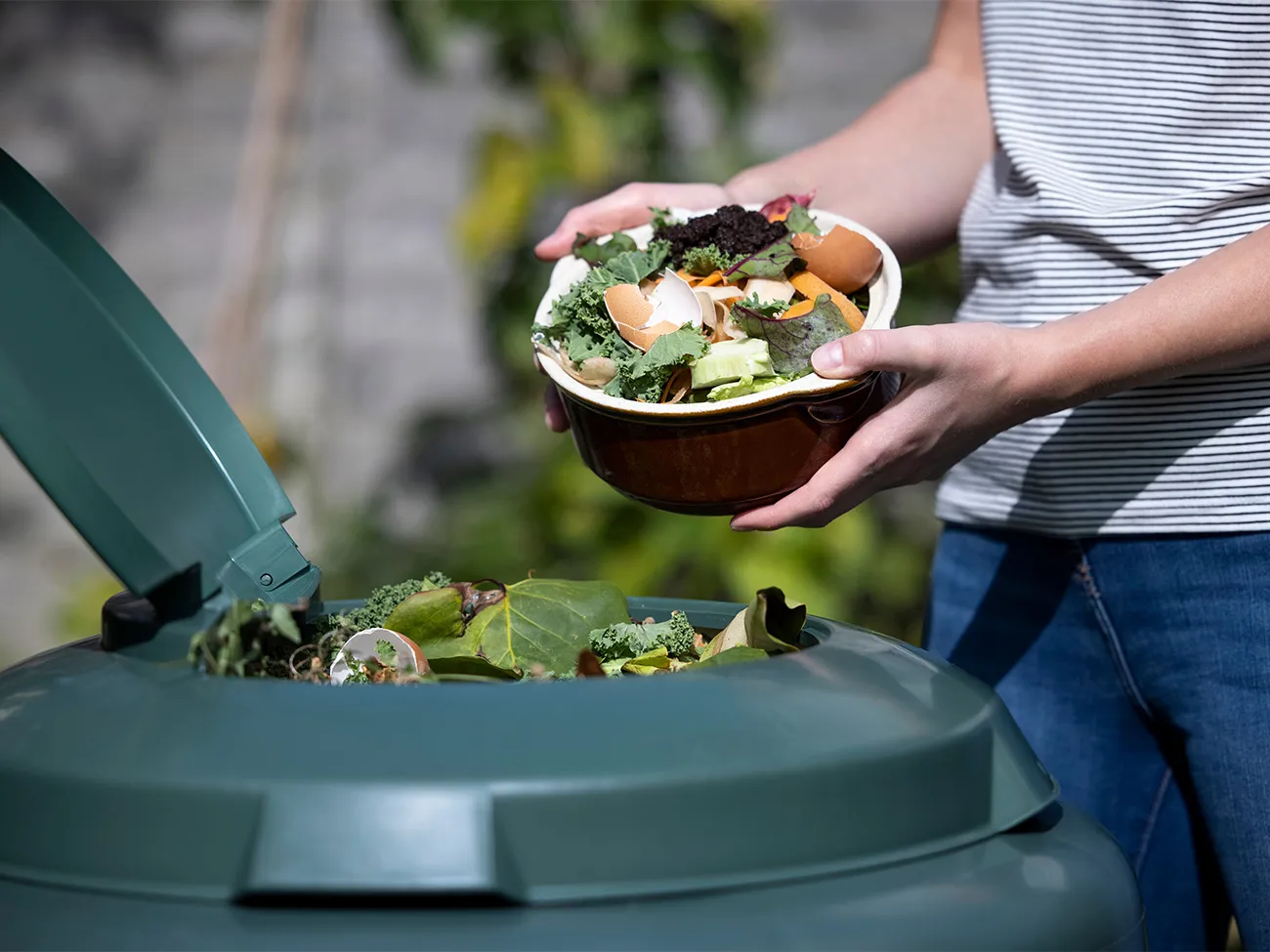
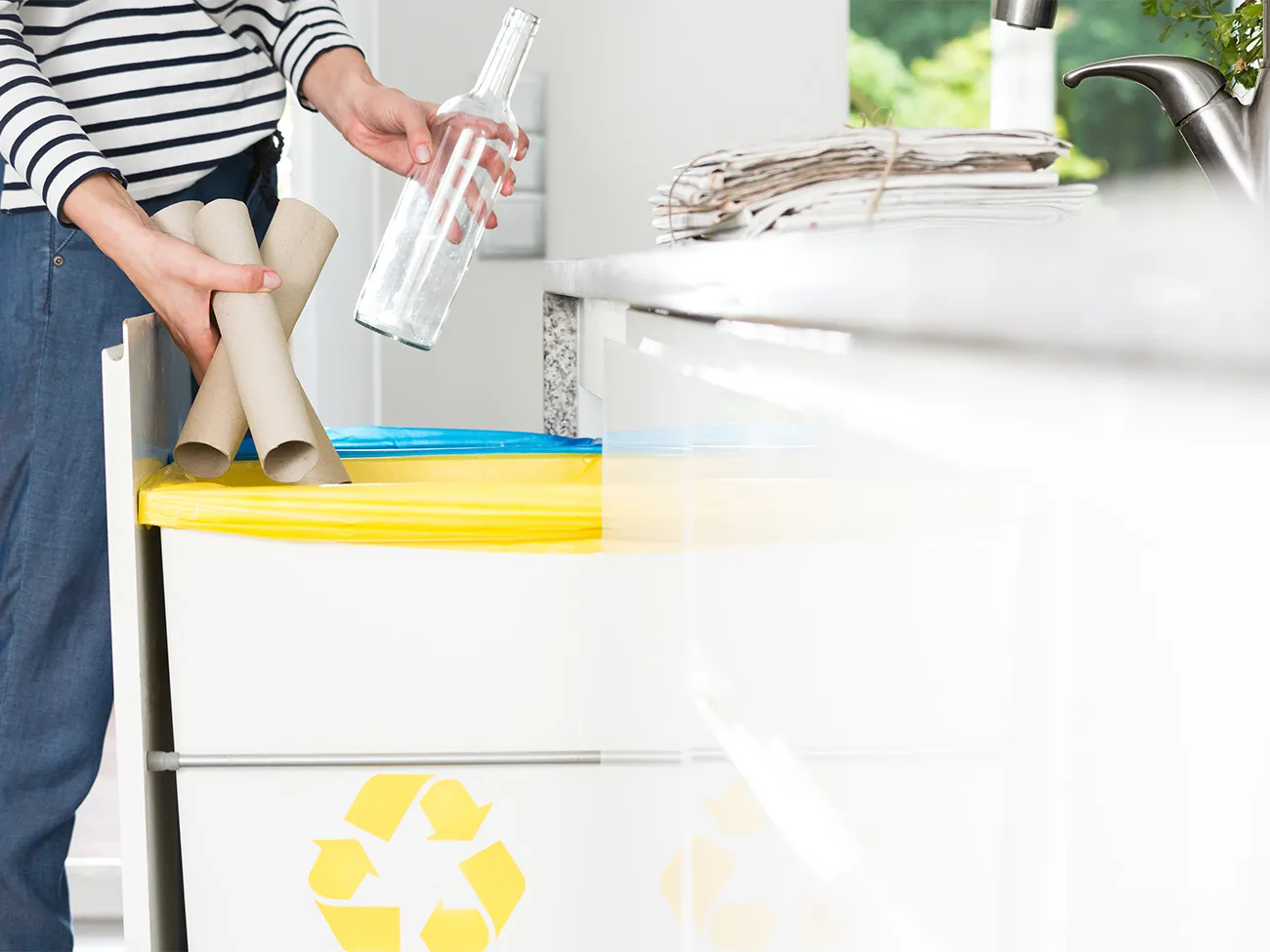
This means households will need to go much further with separate collection than they do today. The focus is on two streams: nappies and organic biological waste (OBA), both of which represent significant tonnages. Nappies were therefore among the streams targeted by a major call in 2021 to put Flanders on the map as a recycling hub. Initiatives in the Netherlands and Italy show that it is technically feasible. The challenge now is to make the economics work too, and additional support in the implementation plan could help. A third option under consideration is the new blue bag. This will be further optimised and should divert an additional 8 kg of PMD per resident from residual waste. This is not a large tonnage, but every kilogram will count in achieving the ambitious targets.
How can CO2 emissions be reduced?
A further aim is to achieve a substantial reduction in CO2 emissions from final treatment. A 25% cut is currently under consideration, but this remains provisional. However, reducing residual waste from 146 kg to 100 kg per resident per year will not be enough on its own to achieve this. What else is needed? There are indeed differences in CO2 intensity between the existing incineration plants. But it will be particularly important to look beyond emissions from the chimney and consider the full picture. For example, the geographical distribution of incinerators also plays a role in preventing CO2 emissions from transport to and from the plants. And what about other pollutants such as nitrogen?
Clearer definitions of household and commercial waste
What is still missing from the proposal currently under discussion is a clear distinction between household and commercial waste. This is needed both to create a level playing field between intermunicipal associations and private operators, and to prevent commercial waste from ending up in the household waste stream. The difference in levies currently applied to the two fractions creates a risk of this happening. It remains to be seen how these elements will be developed over the coming months. The aim is to have a first version ready in the spring, providing a basis for further optimisation.
Question about this story? Ask your question
Companies in this story

Keep following this
Get an email when a new story is published. No account needed.
- ThemeImproving waste collection and transport
- SubjectNews
- CompanyOVAM







