












The transition from traditional to circular demolition is inevitable
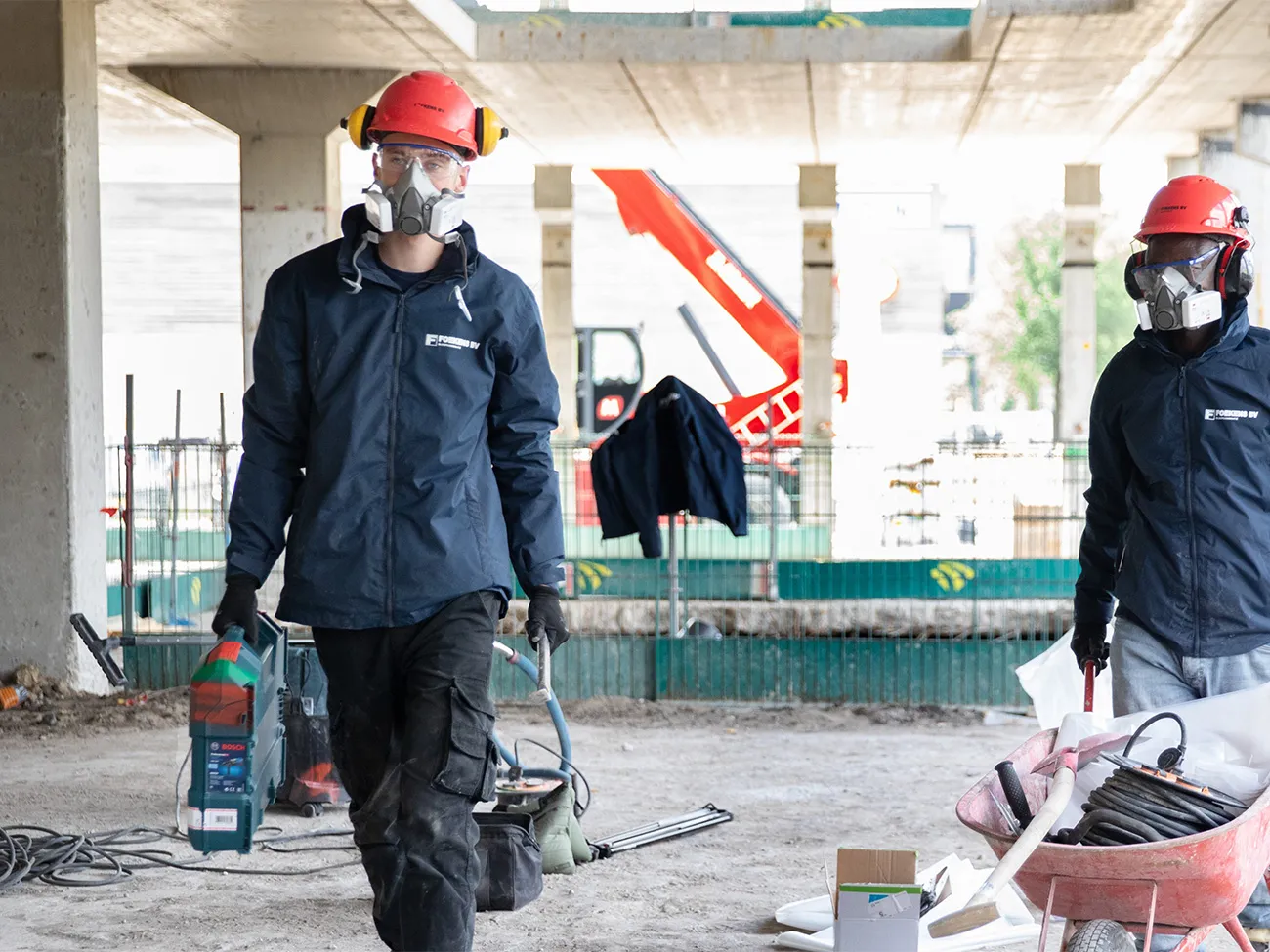
Although it is a widely discussed topic across the industry, some companies are still unsure whether they should make the transition from traditional to circular demolition now. At Foekens Sloopcombinatie, that decision was made long ago, and the company is keeping pace with market developments. Add to that its focus on service and its commitment to taking care of everything for its clients, and it is clear that Gaby Foekens, whom we are meeting today, has built an impressive business.
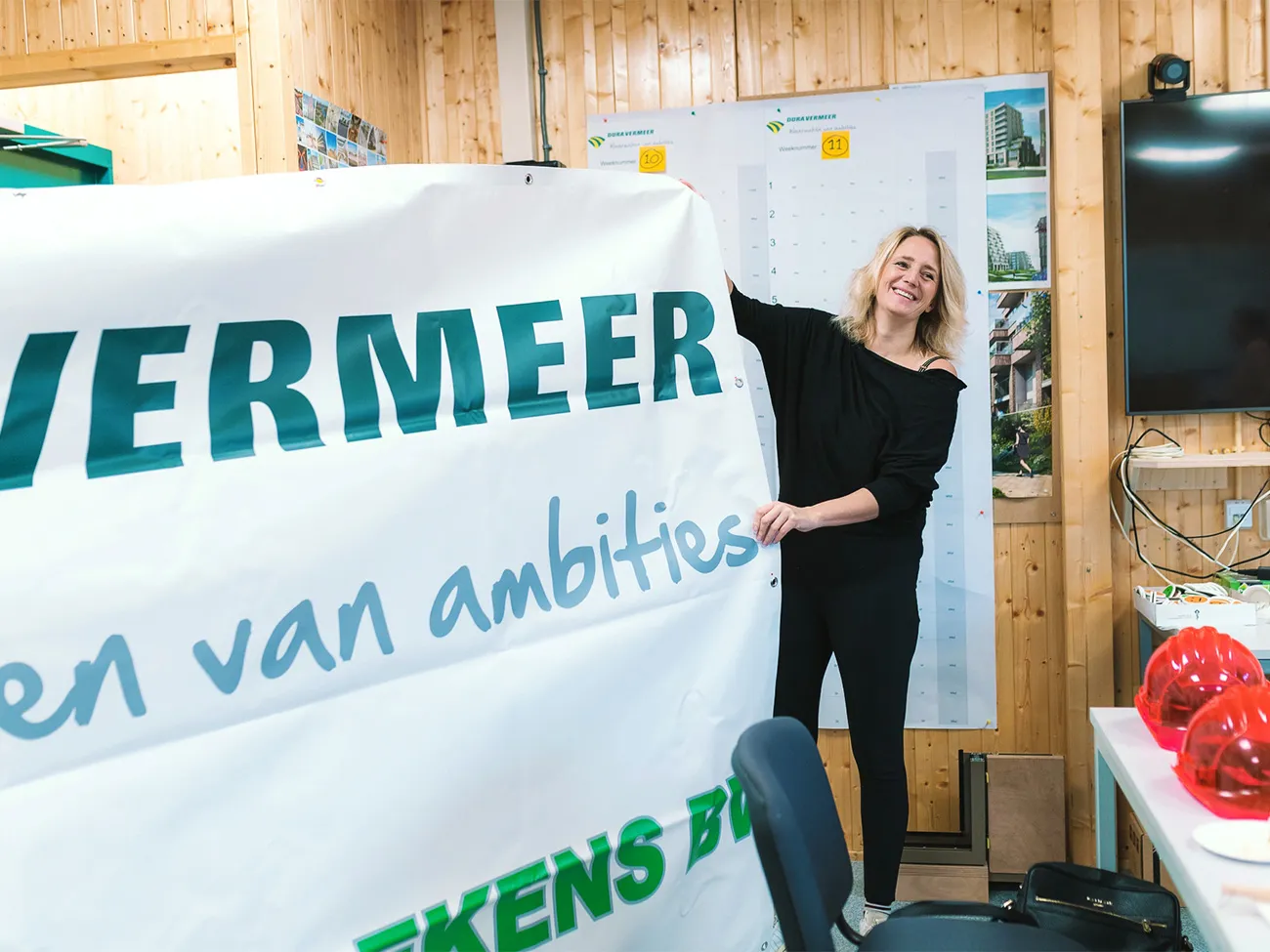
The atmosphere at Foekens in Zaandam is relaxed but professional. And when the conversation turns to recent circular projects, Gaby’s eyes light up: “As a society, we have come to realise that we need to take care of our planet and all the raw materials at our disposal. By carefully assessing all the possibilities for reuse during the preparation phase of a demolition project, we aim to minimise its ecological footprint. When I look at the results, it is genuinely satisfying. That is true both for me personally and for me as managing director of Foekens Sloopcombinatie.”
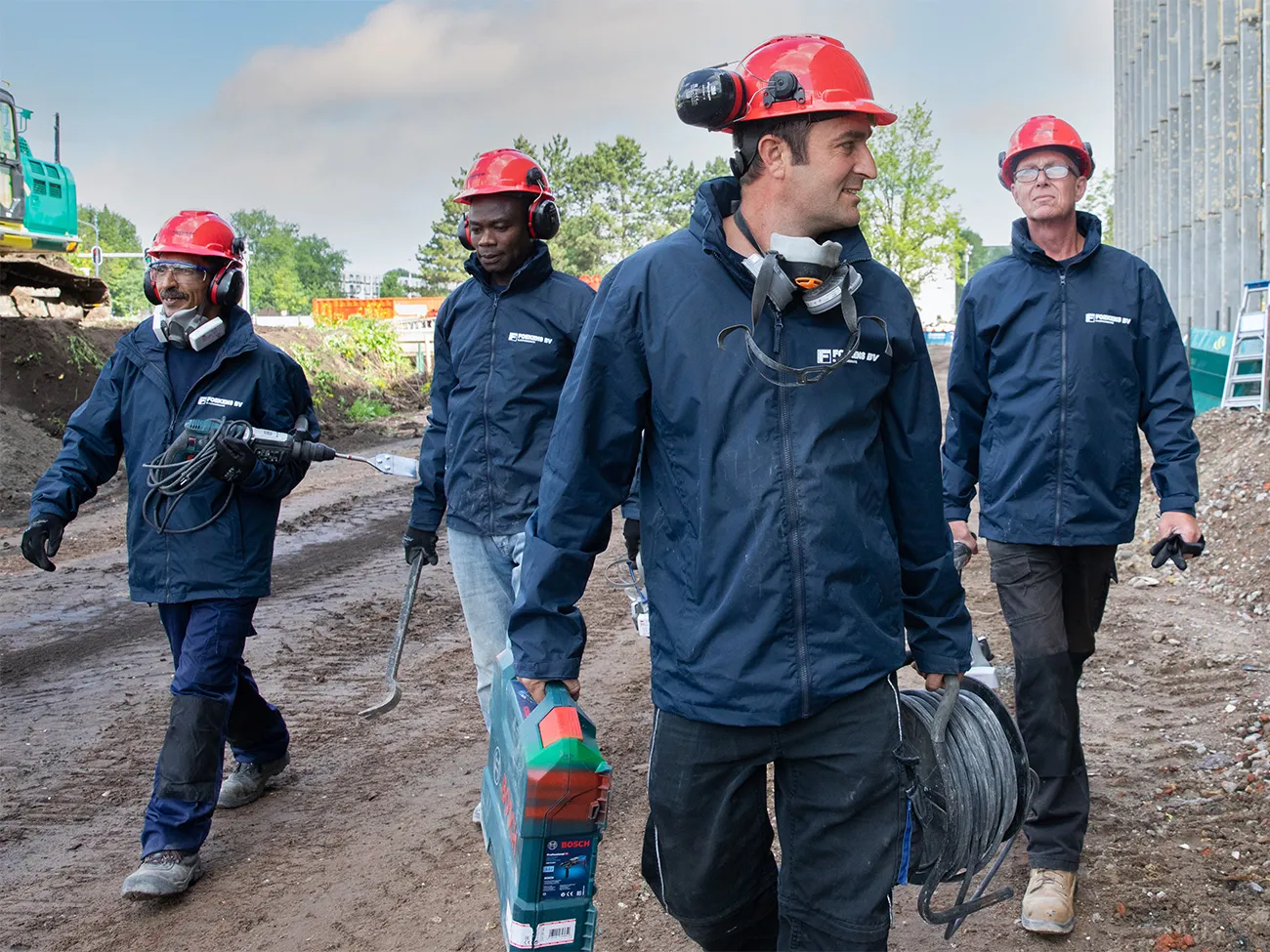
A good example is the circular demolition of the Fluor building in Haarlem. The client, Dura Vermeer, considered it extremely important to find a new use for as many materials as possible. Foekens knows how to make that happen, and the partnership was quickly established. Gaby explains: “We were able to be very creative and were encouraged to think and act outside the box. A good example is the suspended ceiling tiles. A very large proportion, more than 13,500m2, had yellowed or been damaged in some other way, making them unsuitable for direct reuse. We contacted the manufacturer, which melted the tiles down and reused them entirely to make new ceiling tiles. However, around 500m2 were still in pristine condition, so we donated them to a community centre in Amsterdam. That really gives me a good feeling!”
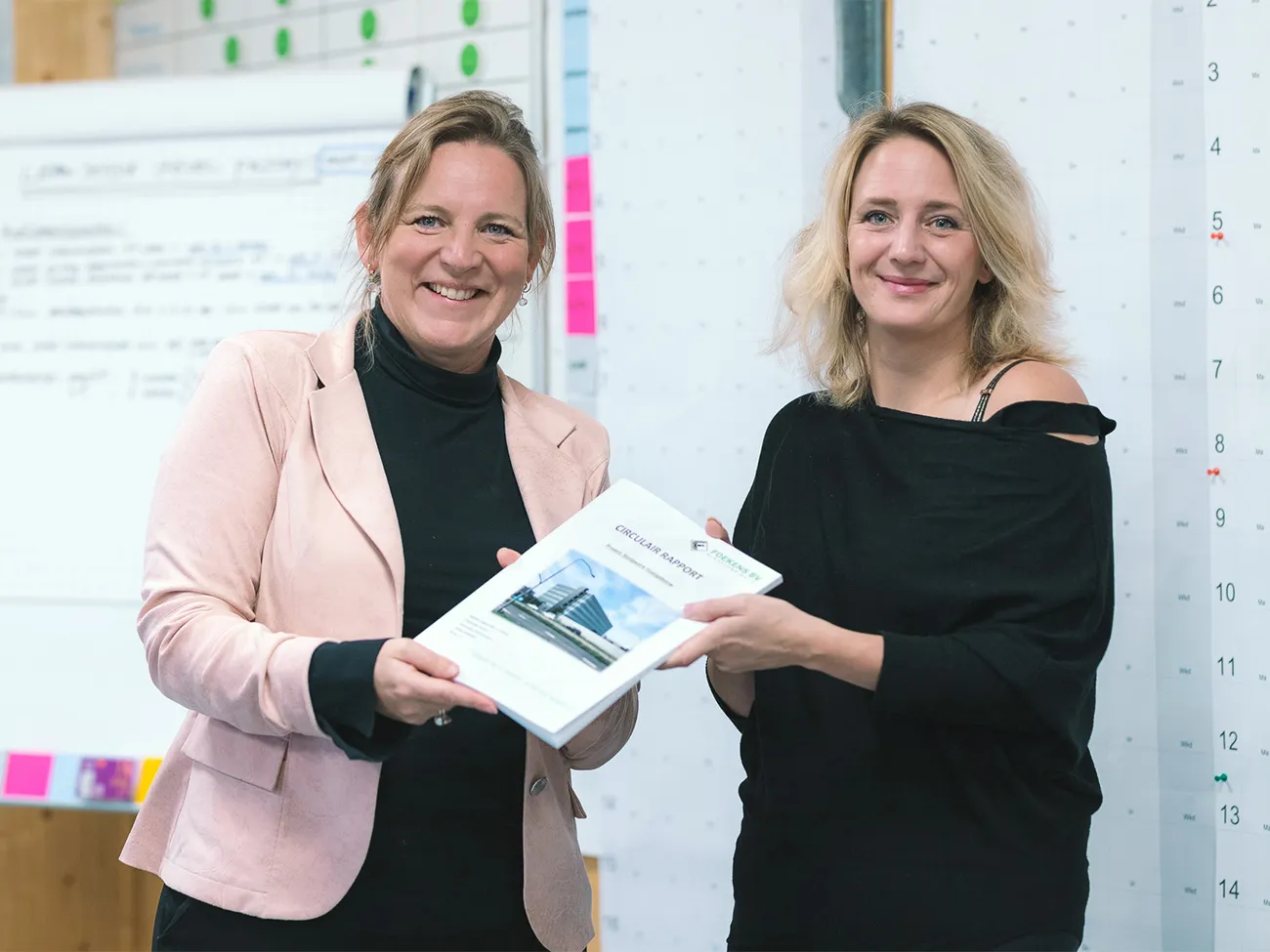
It goes without saying that these material donations, like the other material streams, are properly assigned a material passport and recorded in the recovery report. Everything relating to demolition and reuse is documented and described. The circular renovation demolition of the Fluor building resulted in Foekens sloopcombinatie receiving the ‘Verification Statement for Circular Demolition Projects’. This is not only an impressive achievement, it also lays the foundations for this family business’s development over the coming years.
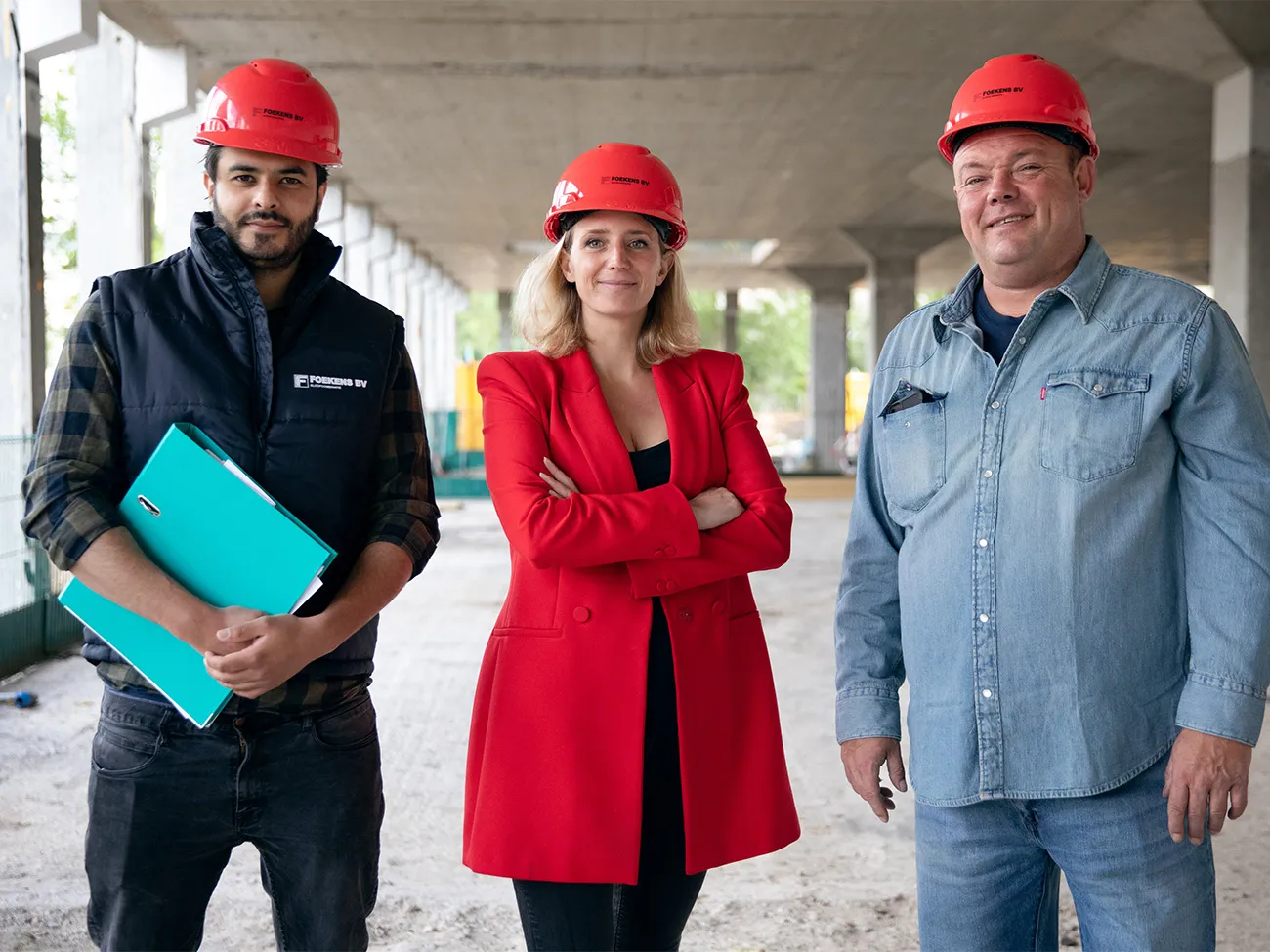
Gaby adds enthusiastically: “When it comes to circular demolition, we are at the forefront of transparency and building partnerships. Our clients know us for our openness and creativity at every stage, from the quotation and project planning through to delivery. These qualities carry over seamlessly into our circular activities. This transparency makes working with us a pleasure for clients, while also giving them complete visibility of exactly what happens to the materials. The evidence is tangible and can be checked. We go to great lengths to find new uses for materials and raw materials. We get a real buzz from it, and it helps both our planet and our business move forward. What could be better?!”
Question about this story? Ask your question
Keep following this
Get an email when a new story is published. No account needed.
- ThemeCircular construction and demolition
- SubjectNews







