












The Tip | Peter Voolstra: Van der Spek Vianen
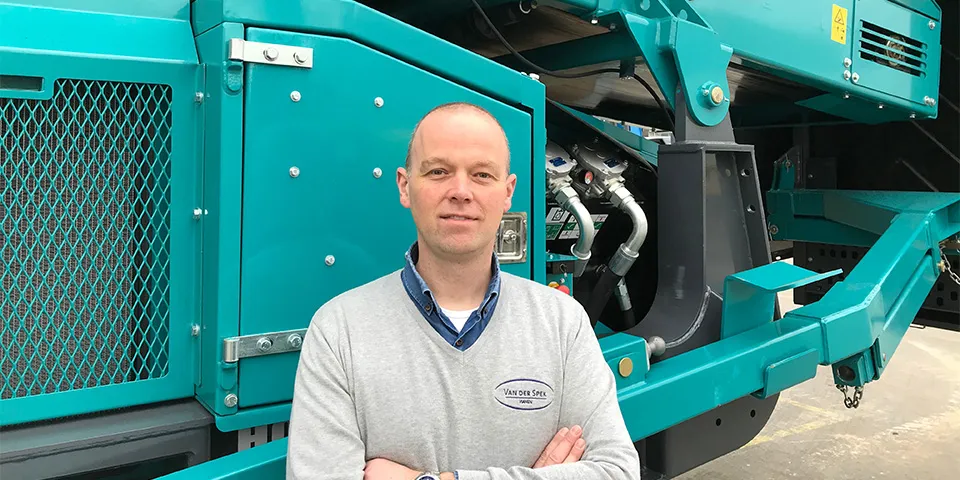
To start with, I would like to congratulate Recyclepro on the first edition of its magazine for the Netherlands. Recyclepro is well known to every recycler in our southern neighbours, Belgium, who use the magazine to keep up to date with the latest developments and innovations in the recycling market.
I have worked in the recycling industry for more than 20 years and, through my ‘Forward’ column in Recyclepro, I will share tips and opportunities that could help you take the next step and look at things from a different perspective.
According to Van Dale, VOORUIT (adverb) means FURTHER. We all want to go further, and moving further forward is even better. We are all working hard to make progress in recycling, our field of work, when it comes to processing waste streams optimally so that they can be reused as widely and effectively as possible, with circularity as the main goal. With this in mind, many recycling companies are working hard and pushing ahead. Challenges and surprises arise at any time of day, disrupting the process and making the business case increasingly difficult.
To continue meeting our economic objectives alongside our sustainability goals, which guarantee continuity and make it possible to invest in new technologies that enable further processing, recycling processes must be carried out as efficiently as possible. The right efficiency measures vary from company to company and from one waste stream to another, and even a small adjustment can have a major impact on process improvements. This could be as simple as changing traffic routes on site so that lorries take a different route and containers can be placed directly where they need to be for loading with the resulting material streams. Or it could mean investing in new technologies that deliver higher separation efficiency or reduce the need for a wheel loader.
Examples include NIR separators, which can now separate black plastics from product streams as well as sorting plastic streams as usual. Another good example is the mobile stockpiling and transfer conveyor, which can be used not only to stockpile processed fractions easily, but also to load ships without using a mobile harbour crane.
Alongside adapting these processes, it is just as important, and perhaps most important of all, to ensure that people and machines are deployed as continuously and productively as possible. I see at many recycling sites that this is much easier said than done, which is entirely understandable. Timely and effective planning of (preventive) maintenance and repairs can greatly reduce downtime caused by unexpected machine breakdowns, which unfortunately happen to everyone from time to time. This planning increases productivity and therefore reduces costs. Planning maintenance, repairs and inspections is a partnership that you, as a recycler, need to maintain with your supplier. After all, we can achieve more together, and calm, regular maintenance has always proved better than panic measures.
Question about this story? Ask your question
Keep following this
Get an email when a new story is published. No account needed.
- SubjectNews







