












The Tip | Peter Voolstra: Van der Spek Vianen
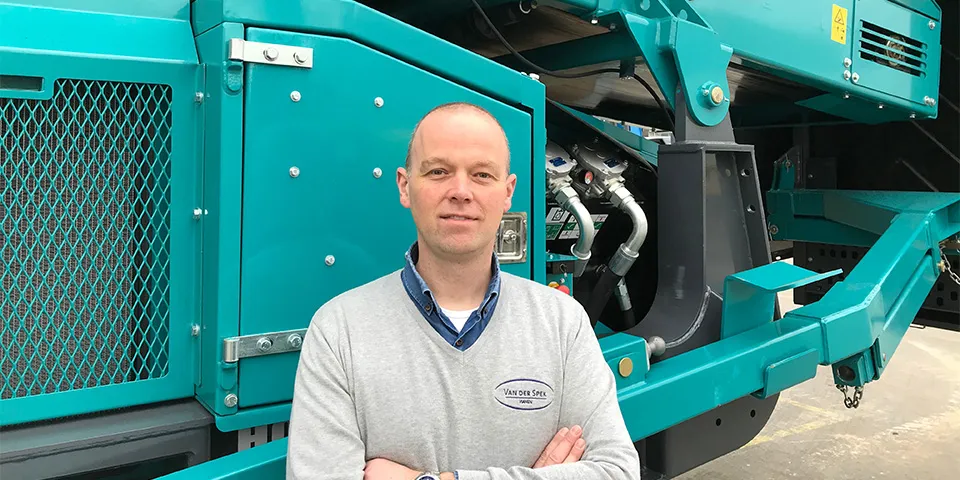
To begin with, I would like to congratulate Recyclepro on the first edition of its magazine for the Netherlands. Recyclepro is well known to every recycler in our southern neighbours, Belgium, where the magazine keeps them up to date with the latest developments and innovations in the recycling market.
I have worked in the recycling industry for over 20 years, and through my ‘Moving Forward’ column in Recyclepro, I will share tips and opportunities that could help you take another step forward and consider different perspectives.
According to Van Dale, VOORUIT (adverb) means FURTHER. We all want to go further, and moving further ahead is even better. We are all working hard in recycling, our field, to make further progress in processing waste streams to the highest possible standard, so they can be reused as widely and effectively as possible, with circularity as the ultimate goal. With this in mind, many recycling companies are working hard and taking a progressive approach to the above. Every day brings challenges and surprises that disrupt the process and make the business model increasingly difficult to sustain.
To continue meeting economic objectives as well as sustainability targets, which ensure business continuity and make it possible to invest in new technologies that enable further processing, recycling processes must be carried out as efficiently as possible. The right approach to efficiency varies from company to company and between waste streams, and even minor changes can have a major impact on process improvements. These can range from a simple change to traffic routes on a site, allowing lorries to take a different route and containers to be placed directly where they can be loaded with processed material, to investing in new technologies that achieve higher separation rates or reduce the need for a loading shovel.
Examples include NIR separators, which can now separate black plastics from product streams as well as carrying out conventional separation of plastic streams. Another good example is the mobile stockpiling and transfer conveyor, which makes it very easy to stockpile processed crushed fractions and can also be used to load ships without a loading crane.
As well as adapting these processes, it is just as important, and perhaps most important of all, to ensure that people and machines are deployed as continuously and productively as possible. I see at many recycling sites that this is much easier said than done, which is entirely understandable. Timely and effective planning of (preventive) maintenance and repairs can deliver major savings in downtime caused by unexpected machine breakdowns, which unfortunately happen to everyone from time to time. This planning increases productivity and, as a result, reduces costs. Planning maintenance, repairs and inspections is a partnership that you, as a recycler, need to maintain with your supplier. Because we can go further together, and a calm, steady approach has always been better than panic measures.
Question about this story? Ask your question
Keep following this
Get an email when a new story is published. No account needed.
- SubjectNews







