












The sustainability of glass wool
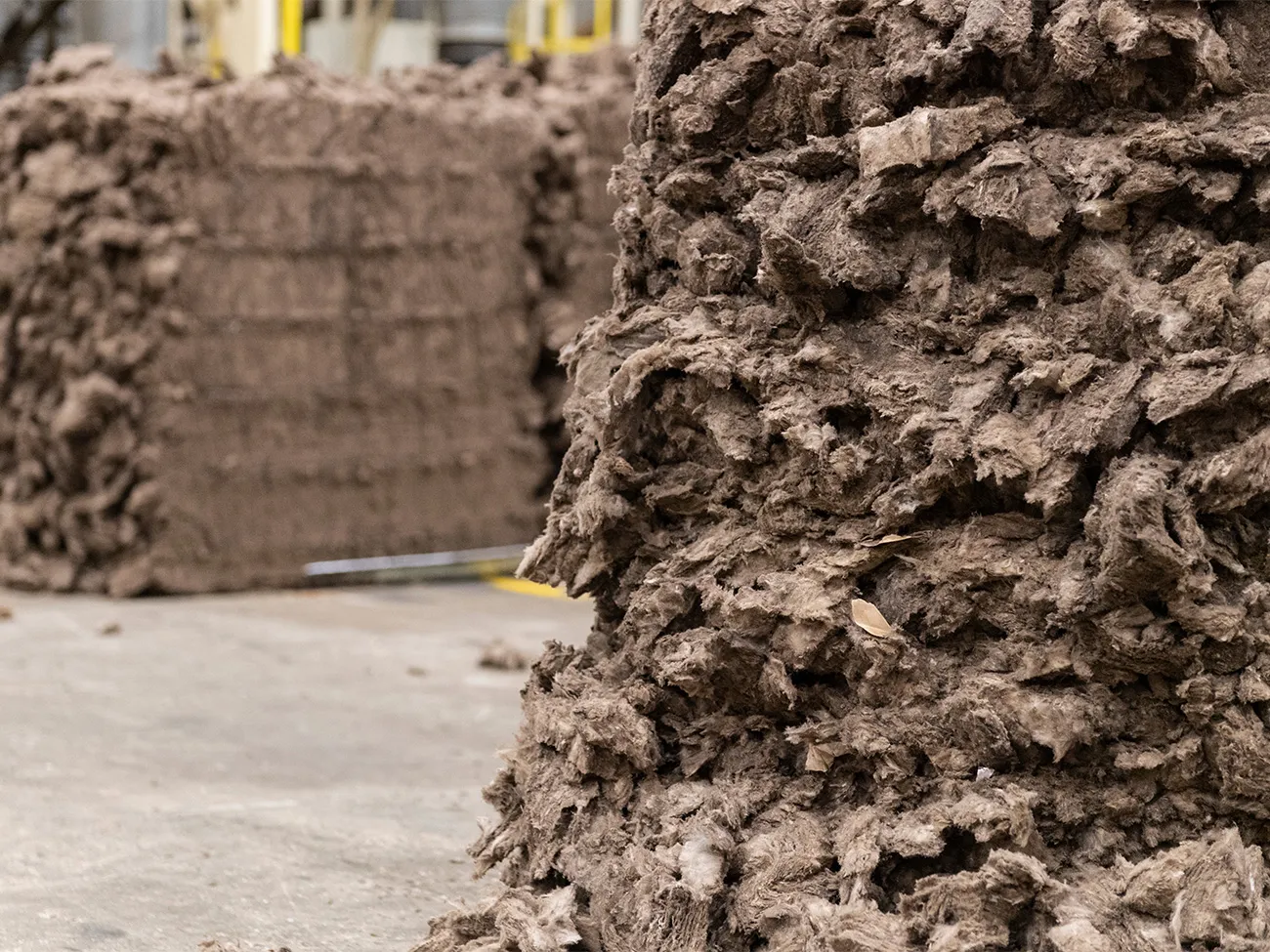
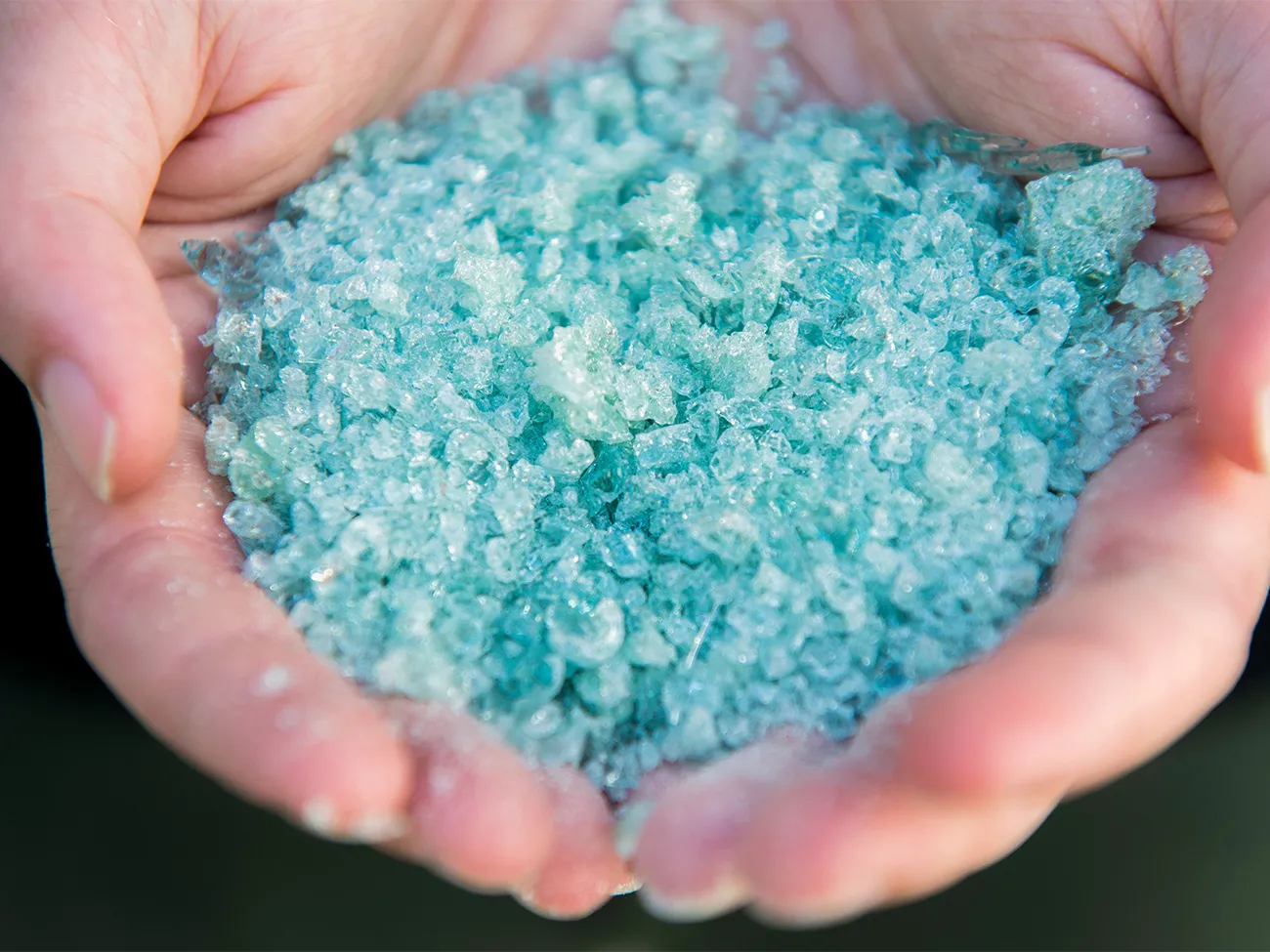
The more recycled content we use, the faster we can move towards a circular society. Glass wool manufacturers have already taken this lesson to heart, because sustainability is central to the insulation sector. At its production site in Visé, Knauf Insulation is doing everything it can to set the bar as high as possible for recycled content. The biggest challenge is finding enough glass cullet of the required quality.
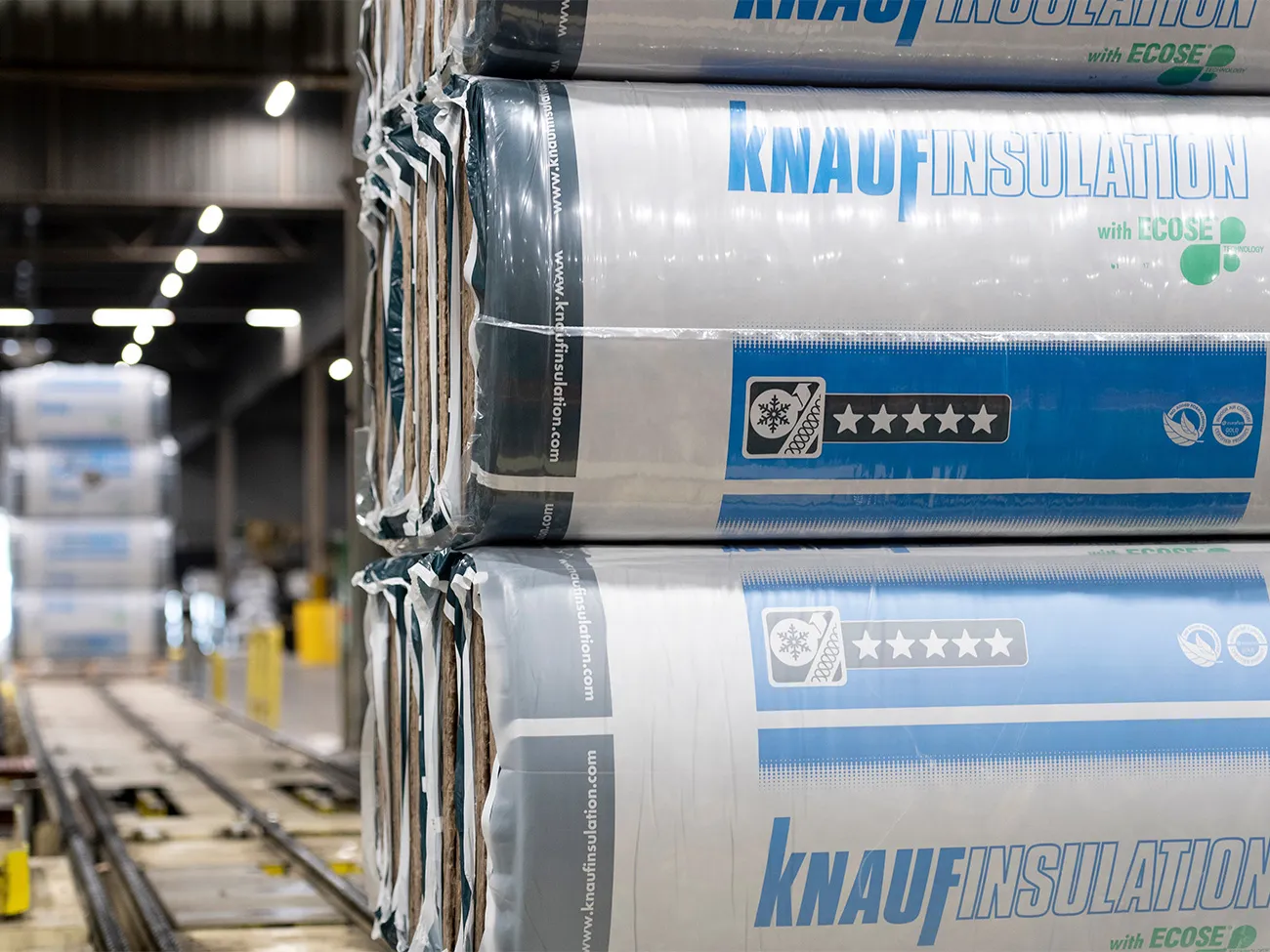
Knauf Insulation has specialised in the production of insulation materials for more than twenty years. Its expertise and experience set the company apart. For example, by using a self-developed binder (Ecose® Technology) as an alternative to formaldehyde in glass wool production, it has eliminated the itchy hands often experienced by users. Production takes place at several sites, including the plant in Visé, near Liège. Following an expansion in 2017, it became the largest glass wool plant in Europe. Knauf Insulation Circular Economy Manager Western Europe Marc Bosmans says: “Insulation is all about energy efficiency. Sustainability is therefore the reason our company exists. We have been using recycled glass for years, both because it is better for the environment than using virgin materials and because melting glass cullet requires less energy. A double win.”
Challenges with recycled content
However, 100% recycled content is a pipe dream. “That is down to the glass wool production process. To make the glass fibres, molten glass is fed onto a rapidly spinning spinner. Think of a plate with raised edges. The glass is flung out through the tiny holes in those edges, producing the glass fibres we need. The binder then does the rest. Any contamination in the glass is harmful, because it can block or wear down the openings. Impurities can also lead to higher emissions, which we and the regulatory bodies monitor closely, as ours is a very energy-intensive sector. When we run at 100%, impurities in the recycled material are even less welcome, as they reduce the efficiency of the production line.” The chemical composition of the glass also plays a part. It must remain within specification to guarantee quality. That is why the Visé plant uses an average of 65 to 80% recycled content. Maintaining quality is a constant balancing act.

Finding the right materials
The Visé plant uses 100,000 tonnes of recycled glass each year. Knauf Insulation mainly uses glass cullet from flat glass, as this waste stream contains fewer impurities. “The biggest challenge is securing enough material that meets our requirements,” says Bosmans. “Belgium is well served by the recycling systems in place, but this can be more difficult in other countries.” Knauf Insulation has nevertheless set itself the goal of using at least 65% recycled content in every batch produced at every glass wool plant. “That sometimes takes a bit of enterprise. In the UK, for example, we set up a joint venture with Veolia to recycle glass ourselves and secure our supply in the long term.”
Recycling glass wool
Using recycled material is only one side of the coin for Knauf Insulation. The company is also working to recycle glass wool. “We already do a good job of recycling most of the waste from our own production. It is sold as fibres that can be used as filler in bricks or to make ceiling tiles. As a result, the amount we send to landfill has fallen by 85%. It is more difficult to recycle material recovered from construction and demolition waste. Material returned from demolition sites contains more impurities, which are very difficult to separate and can have a harmful effect on our production process.” In France alone, 80,000 tonnes of material are sent to landfill each year. “We would much rather use that material as a raw material again. That is why we want to start a pilot plant in Visé to feed this material back into production and close the loop completely. We believe we can perfect the technology. The next step is to bring the market on board and establish a logistics chain to recover the material. The value chain for this is already well developed in Belgium and the Netherlands, which is why the pilot project is starting here.”
Question about this story? Ask your question
Keep following this
Get an email when a new story is published. No account needed.
- SubjectNews







