












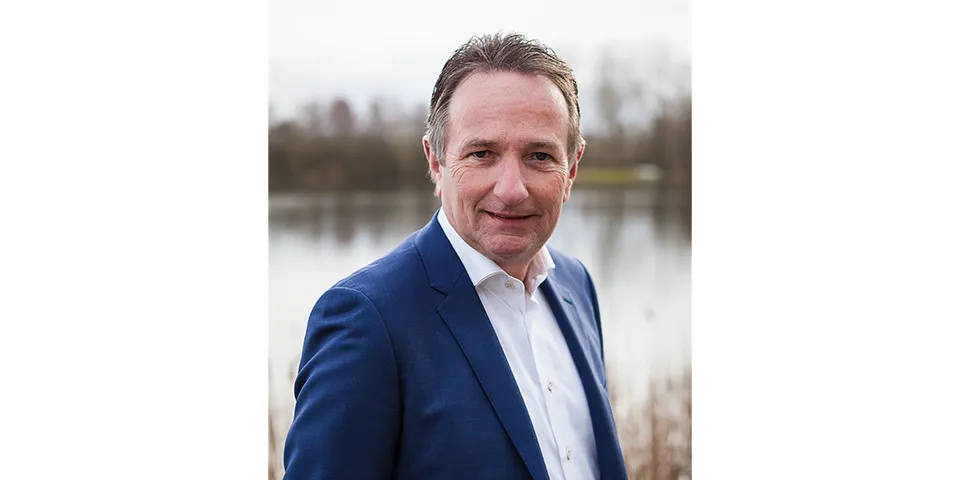
The Pen | Ton van der Giessen, CEO, Van Werven
Virgin or recycled?
“It was a blessing. China no longer wanted to be the world’s ‘dumping ground’ and closed its borders to plastic waste and other materials in January 2018. Suddenly, there was more than enough plastic waste to recycle. One of the two biggest challenges facing our sector, where to find enough recyclable material, had been resolved. We had no idea what was lurking around the corner in relation to our second major challenge: where could we sell the recycled raw materials?
It is a welcome challenge. After all, it is good to think together about a circular economy. And it looked as though we were succeeding. More and more companies want to operate sustainably. However, the price of this ‘green’ raw material remains a sticking point. Naturally, using recycled raw material must be commercially viable for both parties.
And yet, the unexpected happened last year. The United States decided to significantly expand shale gas production, with the aim of becoming less dependent on fuels from the Middle East. As well as fuel, plastic can also be made from the same shale gas. This is cheaper than producing plastic from crude oil. The graph shows the result. In January 2018, the volume of plastic transported from the United States to Europe was almost nil. In the second half of 2019, this figure rose to 40,000 tonnes a month. Because production far exceeded demand, the price of virgin (primary) PE fell sharply.
Disrupting the balance
In the highly competitive manufacturing sector, the purchase price of raw materials still plays a major role. As a result, prices for recyclate fell and there was a significant switch from recyclate to virgin material. Recyclers can no longer make their business models stack up as a result. Should they compensate on the purchasing side by making plastic waste for recycling more expensive? Or would that simply mean losing the feedstock again, because incineration or landfill would then be cheaper? In short, this further disrupts an already fragile balance. Recyclers, including those handling paper, wood, textiles and metal, are under pressure. Everyone is facing the same problems: falling revenues from secondary raw materials and declining sales.
But wait… Haven’t we set circular economy targets as Europe? The EU Green Deal is ambitious and crystal clear. Unfortunately, the path towards these targets has so far been a diversion. Achieving the necessary circular economy targets takes more than political ambition alone.
If we want to meet these targets by 2030, we cannot wait until 2029 to take action. We should have started yesterday! There are plenty of options. Europe could require manufacturers to use a minimum percentage of recyclate in their products. A ban on incinerating recyclable waste would bring greater balance to the recycler’s input market. When recyclers compete with one another, destroying raw materials must not be the cheaper option!
A missed opportunity
As a recycling company, we are sticking our necks out to take steps towards the circular economy we want. Unfortunately, this new development is severely restricting sales of our raw materials. Nor does it encourage new initiatives. This is holding back the development of a circular economy. And remember: anything we incinerate or send to landfill now cannot be recycled in the future. A missed circular opportunity!
Recently, I was in the car listening to a wonderful advert for a shampoo brand. ‘Our bottles are fully recyclable.’ And I thought: ‘No, stop. They need to be made from recyclate!’ If everyone keeps doing business this way, nothing will be recycled. Make your product from recyclate, and only then will the blessing return.”
Question about this story? Ask your question
Keep following this
Get an email when a new story is published. No account needed.
- ThemeMaking plastics and packaging circular
- SubjectNews







