












The only 100% circular solution for plasterboard
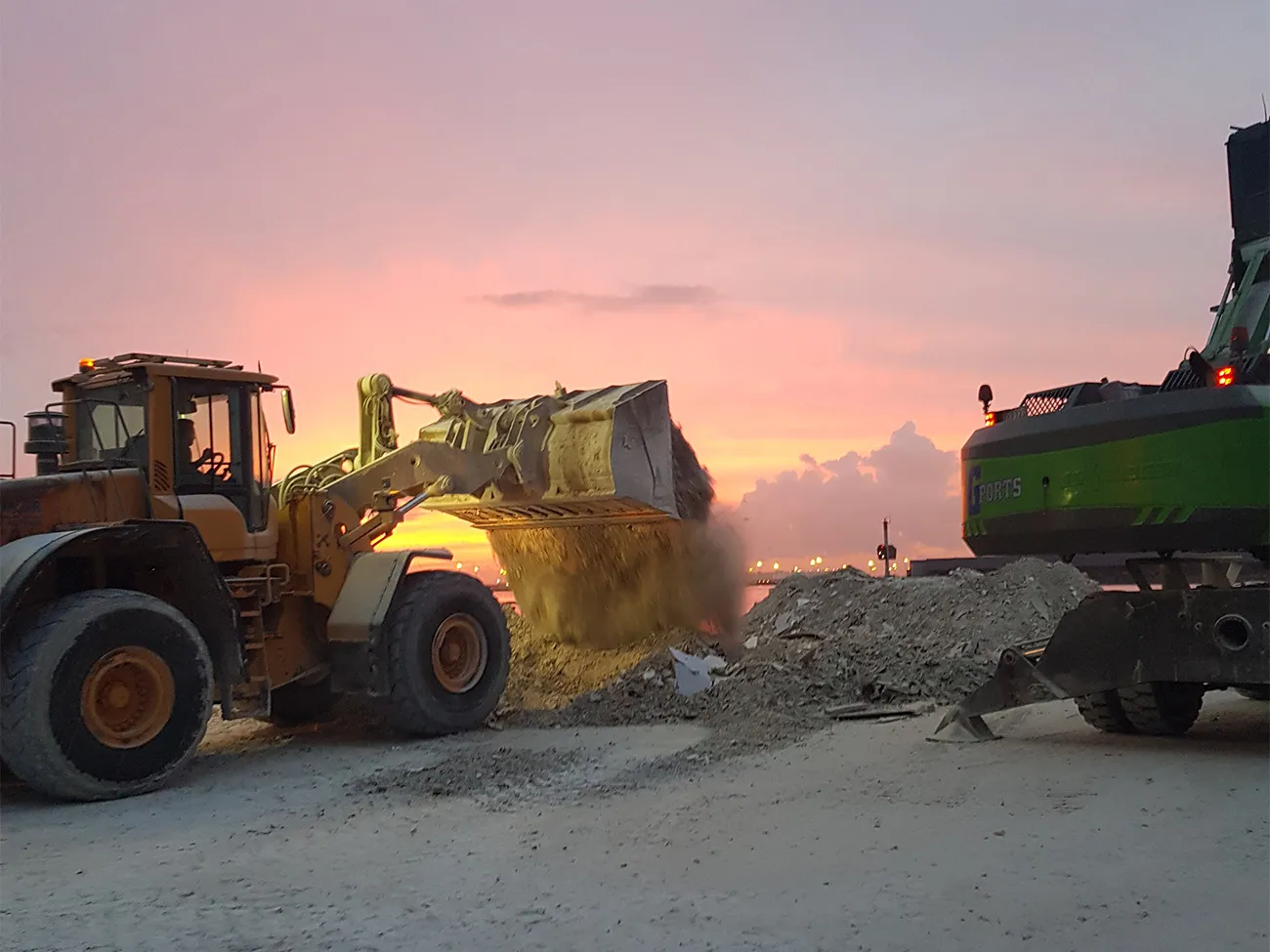
We are all moving towards a circular society in which products can be recycled back into the raw materials used to make those same products. But solutions for some material streams already exist today. From its sites in Kallo and Cologne, New West Gypsum has created a 100% closed loop for plasterboard. The perfect example of infinite recycling.
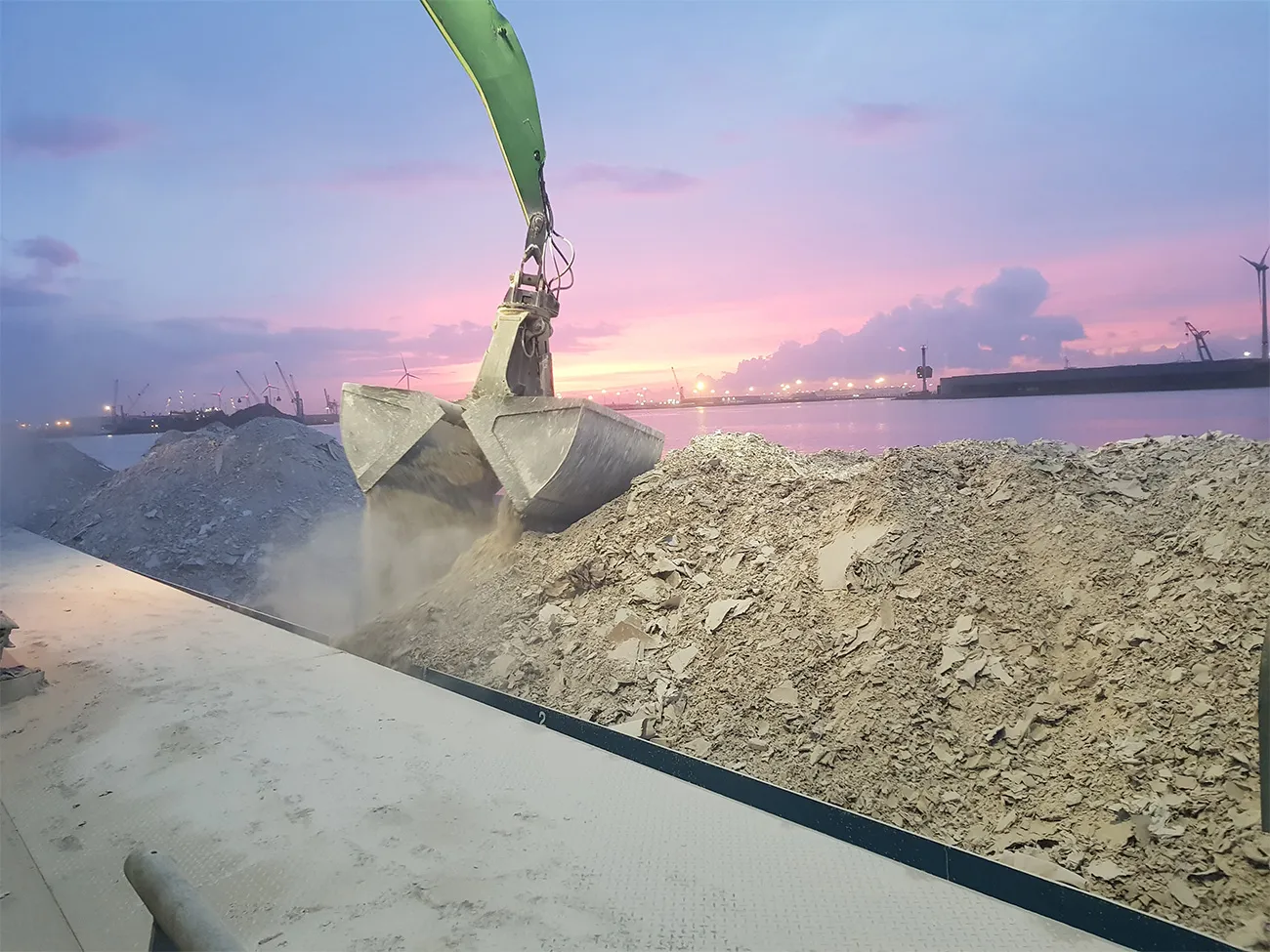
Today, around 35% of plasterboard waste still ends up in unsustainable outlets. Too much, because the plasterboard loop can already be fully closed. “Here in Kallo and Cologne, we turn plasterboard waste back into plasterboard. Instead of sending it to landfill or using it in lower-grade applications, such as filler for the cement industry or a soil improver for agriculture, we turn it back into a raw material for new plasterboard, without compromising on quality. We can therefore repeat this process indefinitely and offer a 100% circular solution. That is what recycling should be. It can only benefit society and our planet,” says Maarten Hendriks, managing director of New West Gypsum Recycling.
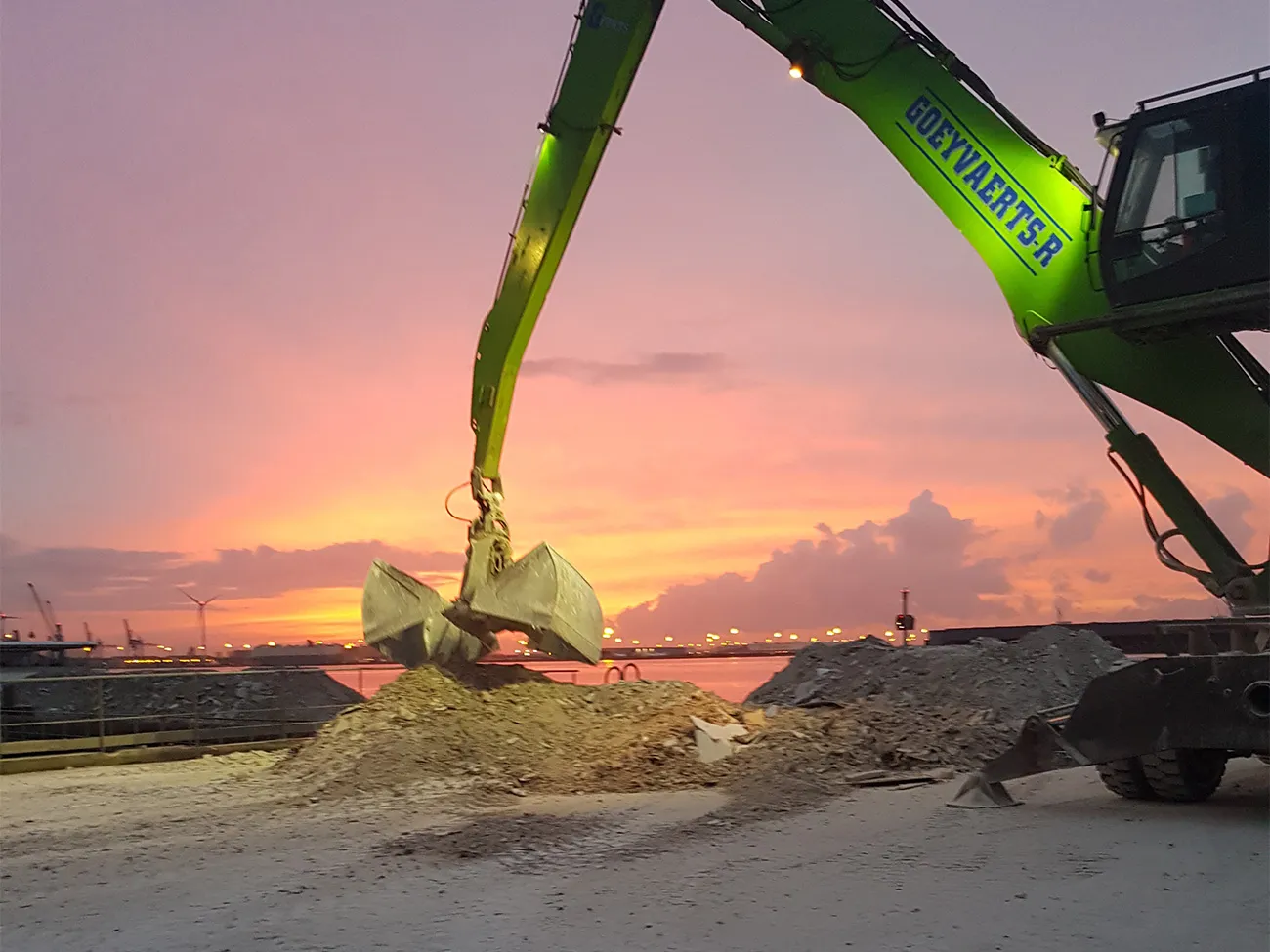
Cradle to cradle in less than an hour
The company’s headquarters in Kallo is located on the site of plasterboard manufacturer Gyproc. Talk about an integrated chain. Hendriks says: “The best way to convince people to work with us is to invite them here. They can see for themselves how plasterboard waste is processed back into plasterboard at our plant, and how half an hour later, further along the site, it comes off the production line as new plasterboard. That really brings cradle to cradle to life.” The aim is to encourage visiting construction and demolition companies or intermunicipal organisations to deliver plasterboard waste in a workable, clean condition, the key requirement for producing material of equally high quality. The presence of Ytong, for example, is detrimental. “In principle, every company can and should collect waste selectively. But when they see the difference it can make to our production, helping us create a 100% circular product, they are even more committed to removing the worst contaminants.”
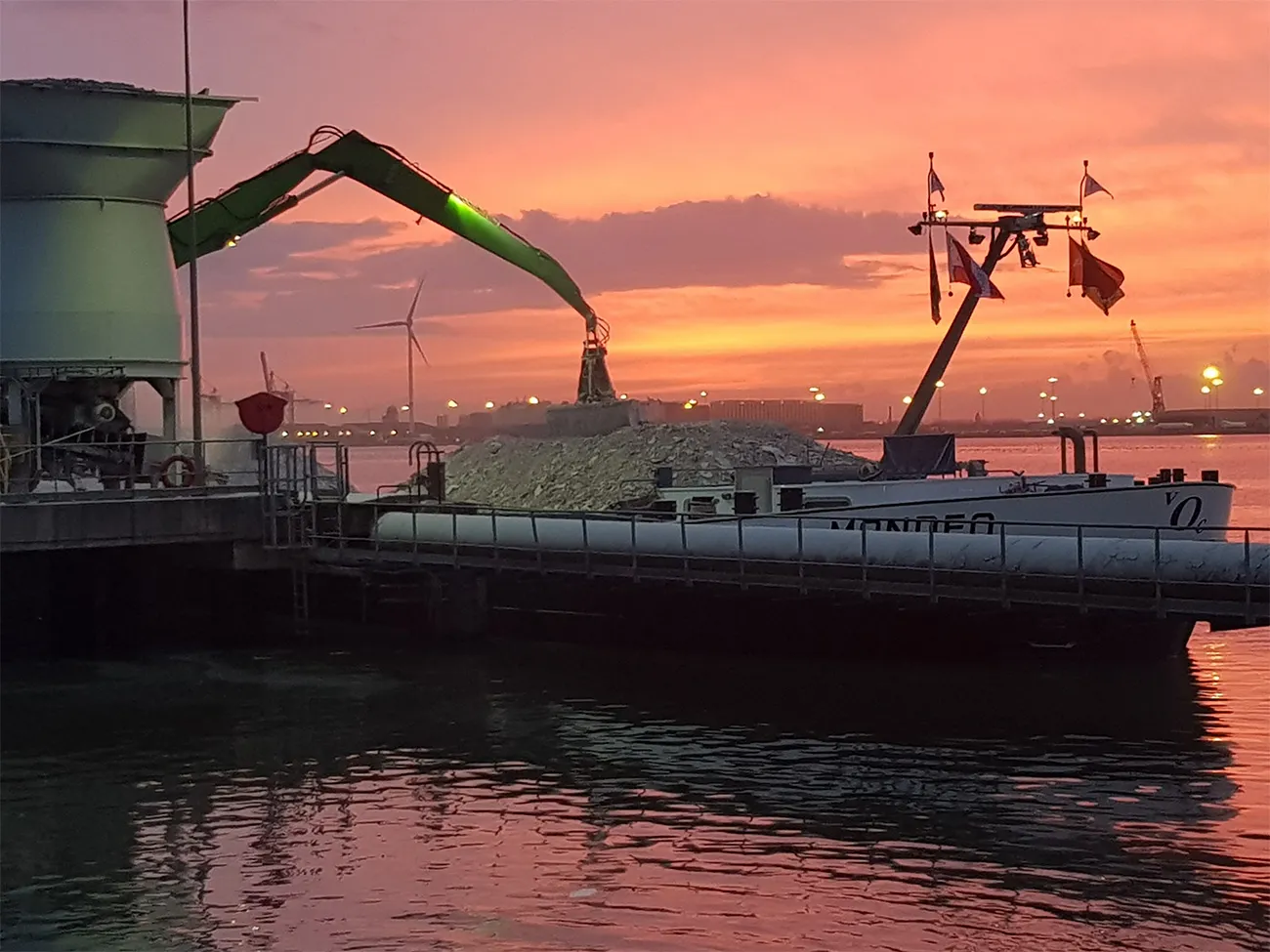
100% sustainable at the same price
Around 80,000 tonnes of plasterboard waste are generated in Belgium every year. Only 50,000 tonnes of it currently make their way to Kallo. Much of the rest goes to the Netherlands for agricultural use or to the cement industry in Wallonia. “Nevertheless, we can operate at full capacity by also importing plasterboard waste from abroad. But it is a shame to let a valuable raw material go to waste when there is an option that is 100% sustainable and just as cheap, without all those transport miles. Why not choose the solution that is best for our future?” According to Hendriks, lack of awareness and ingrained habits play a major role. “For example, procurement officers at intermunicipal organisations are not always aware that a circular solution for plasterboard exists. If they were to require sustainable recycling of plasterboard waste in their tenders, that would make a world of difference. We also need to raise consumer awareness. If Ytong and plasterboard are collected separately at a recycling centre, that sends the right message. It puts the environment first,” Hendriks concludes.
Question about this story? Ask your question
Keep following this
Get an email when a new story is published. No account needed.
- SubjectNews







