












‘The number of fires has halved, partly thanks to prevention’
Jurjen Burghgraef is a risk expert.
He says things are slowly improving, partly thanks to preventive measures, but much more needs to be done before insurers are willing to insure recycling companies again.
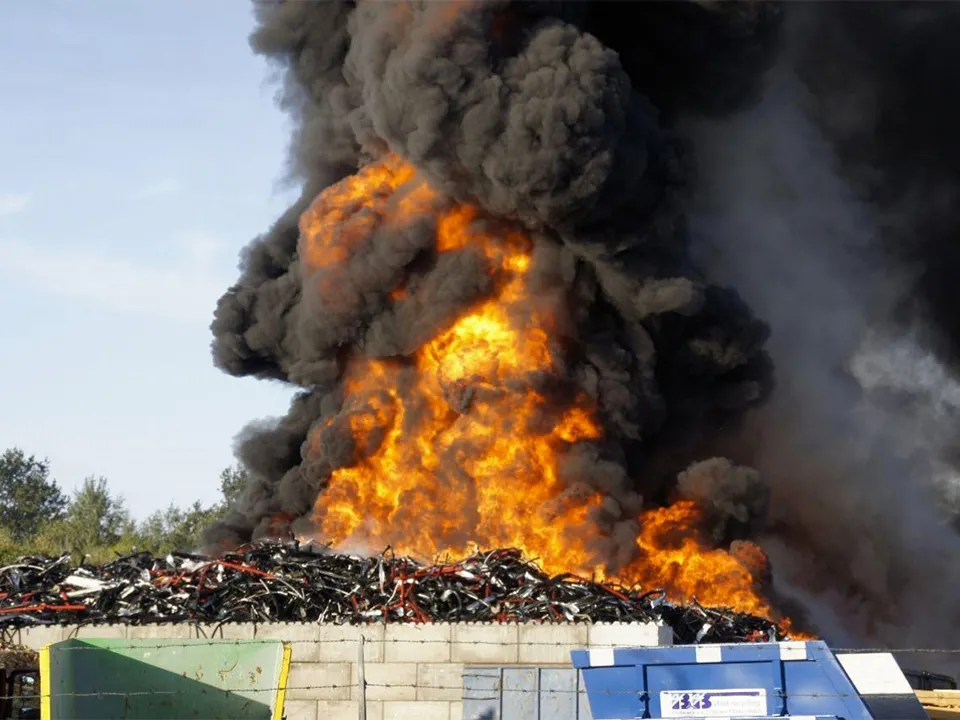
“It’s becoming almost an extreme sport to get anything insured,” says Burghgraef. There is a hint of frustration in his voice. “The outside world might think insurance companies are rolling in money, but I also know that some insurers still had to pay out €1 million a week in 2017 for fires at waste and recycling companies. So it’s hardly surprising that not a single Dutch company is willing to insure recycling companies any more. Things went wrong too often.”
However, the risk expert believes recycling companies themselves are not solely to blame. “The Building Decree is also part of the problem. The requirements it sets for an average warehouse or industrial building are simply far too low. A recycling company that builds a new facility and complies fully with the Building Decree will never get it insured. You can build very lightly, use only a little insulation, and as long as the building is under 2,500 square metres, you don’t have to install any fire protection.”
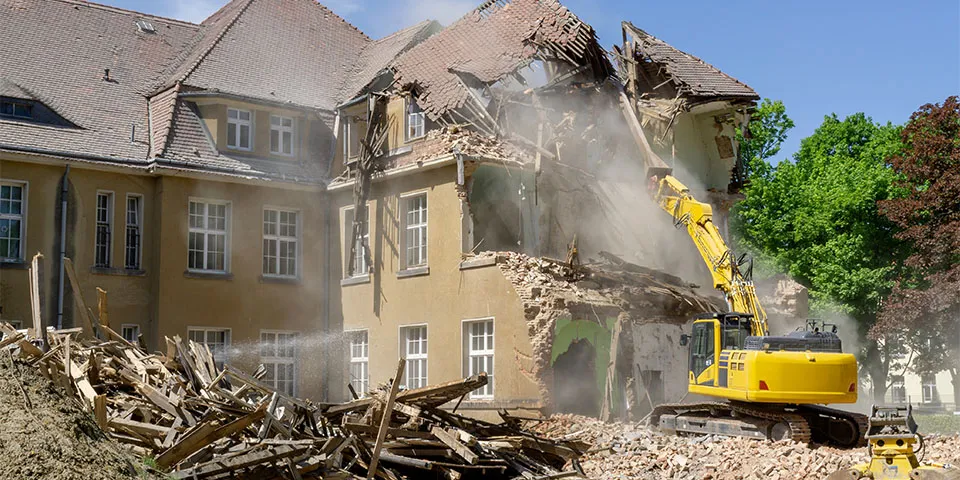
And so one fire-prone building after another is put up. “A building that meets our requirements quickly costs twice as much as one built to the Building Decree. Many recycling companies hire an architect who follows the Building Decree to the letter. But an architect like that doesn’t understand fire safety. Once you explain why it’s better to spend a little more, though, most companies are quite willing to do so. And if you build properly, you’re more likely to find an insurer willing to take on the risk of insuring your business.”
Smaller fractions
As recently as five years ago, every recycling company was insured, Burghgraef says. “Things started to go wrong gradually from 2010 or 2012,” he recalls. “From then on, we began sorting more in the Netherlands and shredding material into smaller fractions. The use of lithium batteries also rose rapidly, even in greeting cards. In 2015, I gave a talk entitled ‘How to keep the sector insured’. By 2017 there had been so many fires that the government got involved and insurers pulled out en masse. It had become too expensive.”
A lot has changed since the ‘disaster year’ of 2017, Burghgraef says. “According to my figures, the number of fires has halved since then. That’s down to better prevention and faster turnaround times. Less material is being stored, and I suspect less waste is being imported too. People also have a better understanding of how self-heating works, break up piles sooner on hot days, and have better fire protection and self-heating detection.”
The risk expert says this is one reason why financiers are increasingly willing to go without insurance. “If a recycling company has its preventive measures so well under control that things can’t really go wrong, why take out a very expensive insurance policy? Especially when you also have to pay 21% insurance premium tax on it?”
Question about this story? Ask your question
Keep following this
Get an email when a new story is published. No account needed.
- SubjectNews







