












The Netherlands’ first upcycling centre
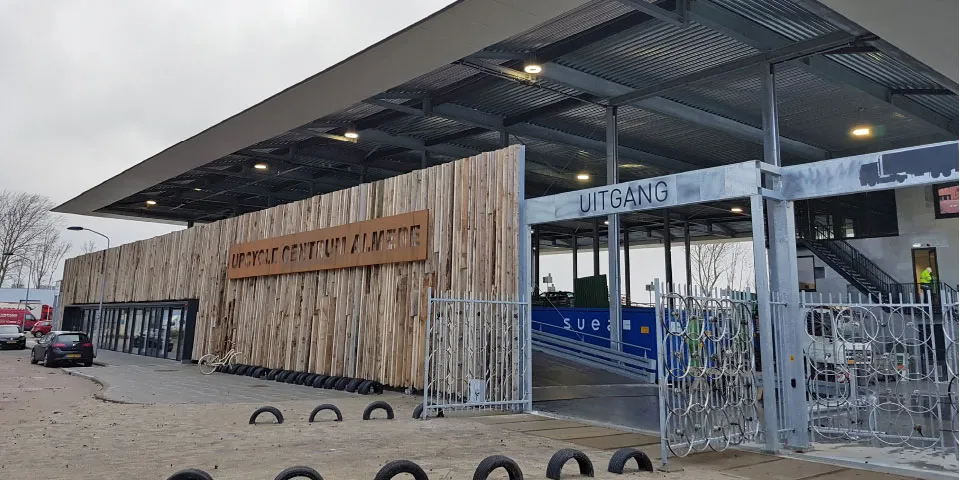
Every municipality has a waste collection site or recycling centre. But in the Netherlands’ youngest city, they are going a step further. Almere has had a dedicated upcycling centre for two years. With the help of ambitious start-ups, waste is given a genuine second life here. And by involving schools, the circular message is passed on to the youngest generations.
Opened in 2018, the upcycling centre in Almere Haven does not look like a traditional waste collection site. There are containers and waste bins where residents of the Netherlands’ youngest city can bring their waste, but they are hidden from view by a sleekly designed building. It would not look out of place as a national pavilion at an architecture biennale. And that is no coincidence.
The A6 motorway near Almere was widened, so a new recycling platform had to be built elsewhere in Almere Haven. And if a new facility had to be built, it had to be done properly and with great ambition. The municipality of Almere aimed to make the upcycling centre a national symbol of the circular economy. So it brought in a renowned architecture firm. Architect Ronald Olthof, from the Twente-based firm LKSVDD, designed the upcycling centre in Almere: “New waste platforms are being built across the country to facilitate waste separation, recycling and upcycling as effectively as possible. For the upcycling centre in Almere, we designed a covered platform made from recycled materials, fully energy-neutral, with space for education and upcycling workshops. One aim is to raise awareness among Almere residents. The other is a commercial plan to attract entrepreneurs working in upcycling to Almere.”
Pioneering
Olthof continues: “The upcycling centre is pioneering not only in its approach, but also in its design. It is possible to create a sleek, modern design using reclaimed materials. The design ties in with the idea behind Floriade, which is taking place in Almere in 2022: a pavilion with a roof that appears to float above it like a white sheet of paper.”
The entire building is designed for disassembly, with all components fixed in place using screws. It is so flexible that it can be moved in its entirety if necessary. More than 50 per cent of it is made from reclaimed materials. The wooden screen, for example, is made from reused timber and wood from trees felled on the neighbouring Floriade site.
Almere contractor Knipscheer Infrastructuur won the tender and went on to deliver its first fully circular construction project. The building was built and fitted out using recovered materials, including concrete and steel from Almere’s old vehicle depot, as well as tiles and sanitary fittings from an old sports hall and swimming pool in the city. The building generates its own energy using solar panels, has no gas connection, and collects rainwater, which is used, among other things, to flush the toilets.
Materials passports
Steven Jansen, project manager for civil engineering concrete construction at Knipscheer: “It was a very challenging job, but incredibly enjoyable and instructive. For example, we found it very difficult to establish the quality of used materials. That is why we made the main load-bearing structure from new steel, while all the other steel was reused. Otherwise, we could not guarantee the building. We had no experience with materials passports before this project, and neither did the municipality of Almere. So we worked out how to approach it together.”
From the raised platform, people can easily dispose of their waste in the containers below. Underneath the platform are three workshops, among other facilities, where the actual upcycling takes place. The products are displayed in large windows and are also used to furnish the education room.
The visitor centre sits above the recycling platform. Here, everyone can see what upcycling is, what it takes and how it can be done. The space has been fitted out on circular principles. It showcases a wide range of upcycled items made from materials sourced in Almere. Workshops are also held here, along with an education programme for schools in Almere.
From waste to new product
Upcycling involves making new products from old materials that once served a different purpose. The Upcycle Centrum now houses 5 businesses that turn ‘waste’ into new products in dedicated workshops.
‘La Femme Qui Rit’, for example, was founded by Femke Mostert. The business specialises in restoring leather sofas and taking them apart to make practical new products such as bags and cushions. Mostert does not do this alone: she employs local single mothers who are receiving social security benefits.
Laura Meijering, trading as Unravelau, is the latest addition to the upcycling centre. Thread by thread, Laura unpicks the systems in need of change in the fashion industry. She does this through her zero-waste collections, made from natural fabrics, with sustainability at the forefront of every stage of the production process.
Naomi Neijssen of SEEFD, who has been working at the upcycling centre for a year and a half, creates sustainable clothing collections by rescuing and screen-printing previously cherished garments. Each SEEFD piece is a canvas selected by Naomi, which she redesigns and prints. She not only extends the garments’ lifespan, but also gives them extra value and a new story through her own prints and hand-painted art.
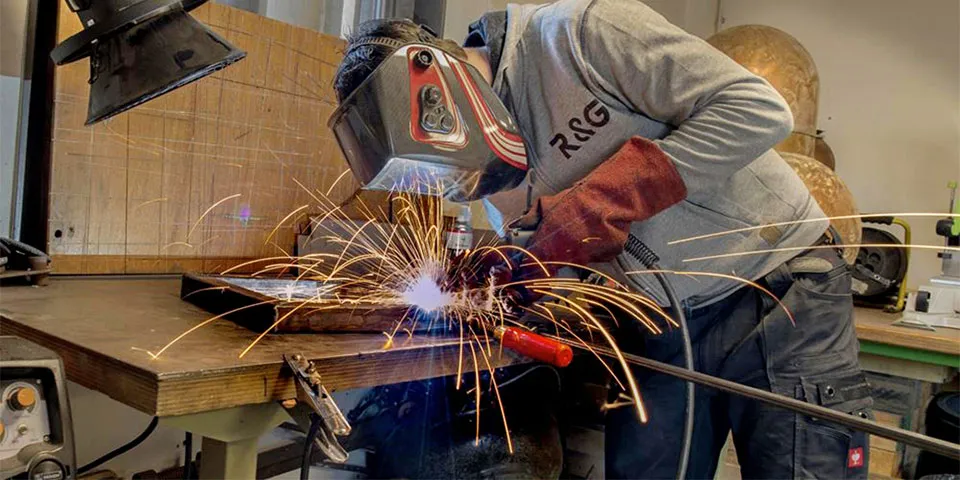
Sebastiaan van Dulken’s company ‘Ruig en Geroest’ makes furniture and designer lighting from waste. They select unique materials that have been thrown away and turn them into usable new design products. Each piece is unique. Years of use have left their mark on the materials in the form of rust, scratches and patina.
Question about this story? Ask your question
Keep following this
Get an email when a new story is published. No account needed.
- SubjectNews







