












The hits and misses at every stage of the circular economy
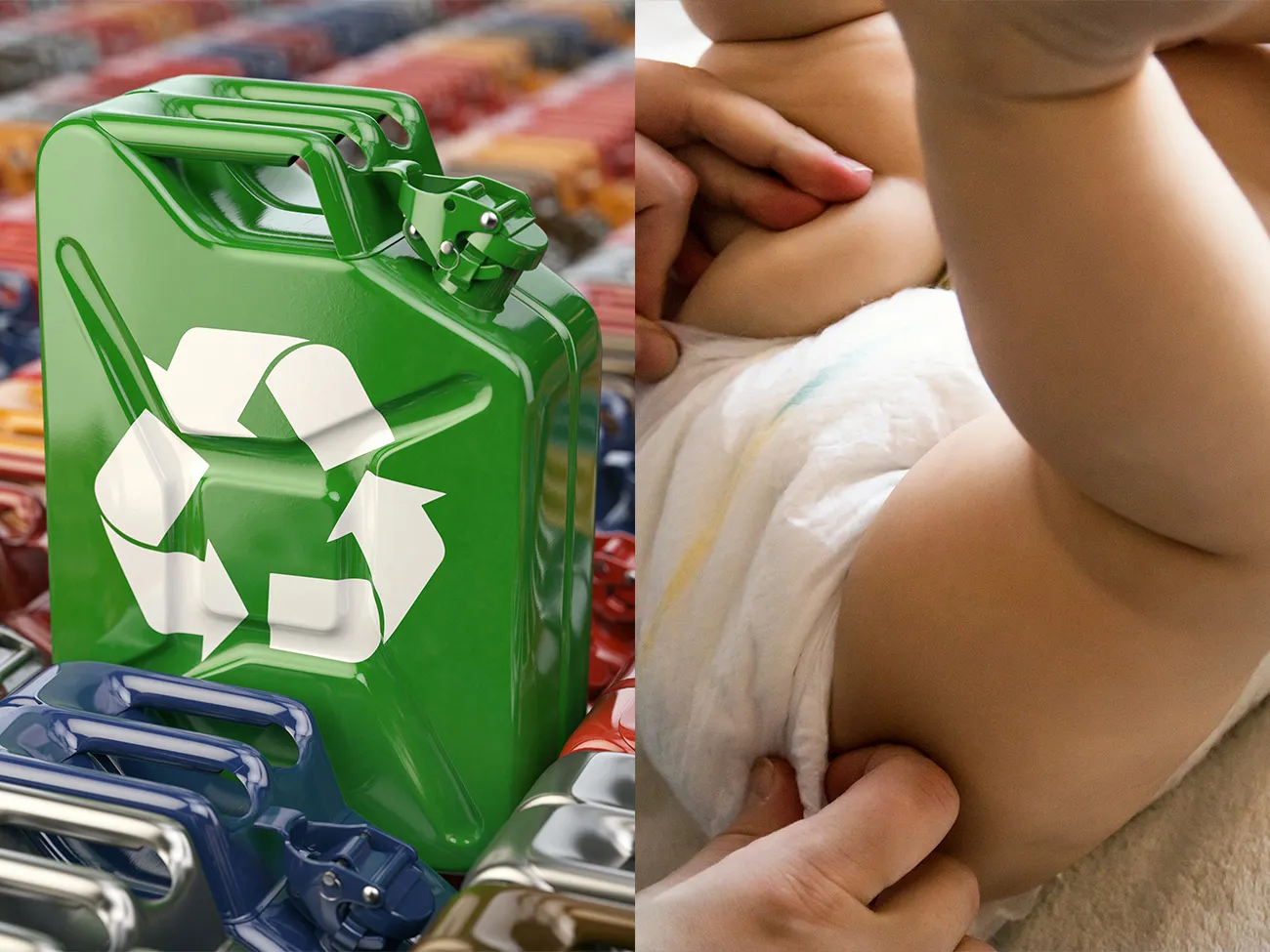
Recycling is central to the circular economy, ensuring that products and their components are put to good use time and again. This can only be achieved by taking a considered approach at different stages in a product’s life cycle. Belgium has many excellent examples of circular practices: product developers who take ecodesign into account, companies that make products using recycled materials, and initiatives that encourage the separate collection of different types of waste … But for every good example, there are plenty of failures. Billions of tonnes of new products that cannot be recycled, were not made using separately collected materials and are not collected separately still enter the market worldwide every year … This section highlights some impressive achievements and challenges at every stage of the circular economy, in other words, the hits and misses.
A recycling success: oils and fats can be recycled too
In Belgium, used frying fats and oils are collected separately for further processing. In 2016, 98% of the fats and oils collected were converted into biodiesel. Lubricating oils are also collected separately. They are mainly processed into ‘new’ lubricating oils.
A recycling failure: nappies need a solution
Nappies are not economically viable to recycle: the various small-scale initiatives tried in the past have failed time and again. Yet large-scale initiatives are urgently needed, as nappies account for more than 5% of residual waste.
Question about this story? Ask your question
Keep following this
Get an email when a new story is published. No account needed.
- ThemeCircular business under changing regulations
- SubjectNews







