












The highs and lows at every stage of the circular economy
Recycling is central to a circular economy, ensuring that products and their components are continually put to useful use.
This is only possible if we take a considered approach at various stages in a product’s life cycle. Belgium has plenty of excellent examples of circular practice: product developers who focus on ecodesign, companies that make products using recycled materials, initiatives that promote the separate collection of different types of waste … But for every good example, there are plenty of failures too. Every year, billions of tonnes of new products that cannot be recycled are brought to market worldwide, made without separately collected materials and not separately collected themselves … This section showcases a number of impressive achievements at every stage of the circular economy, as well as some challenges, or in other words: the highs and lows.
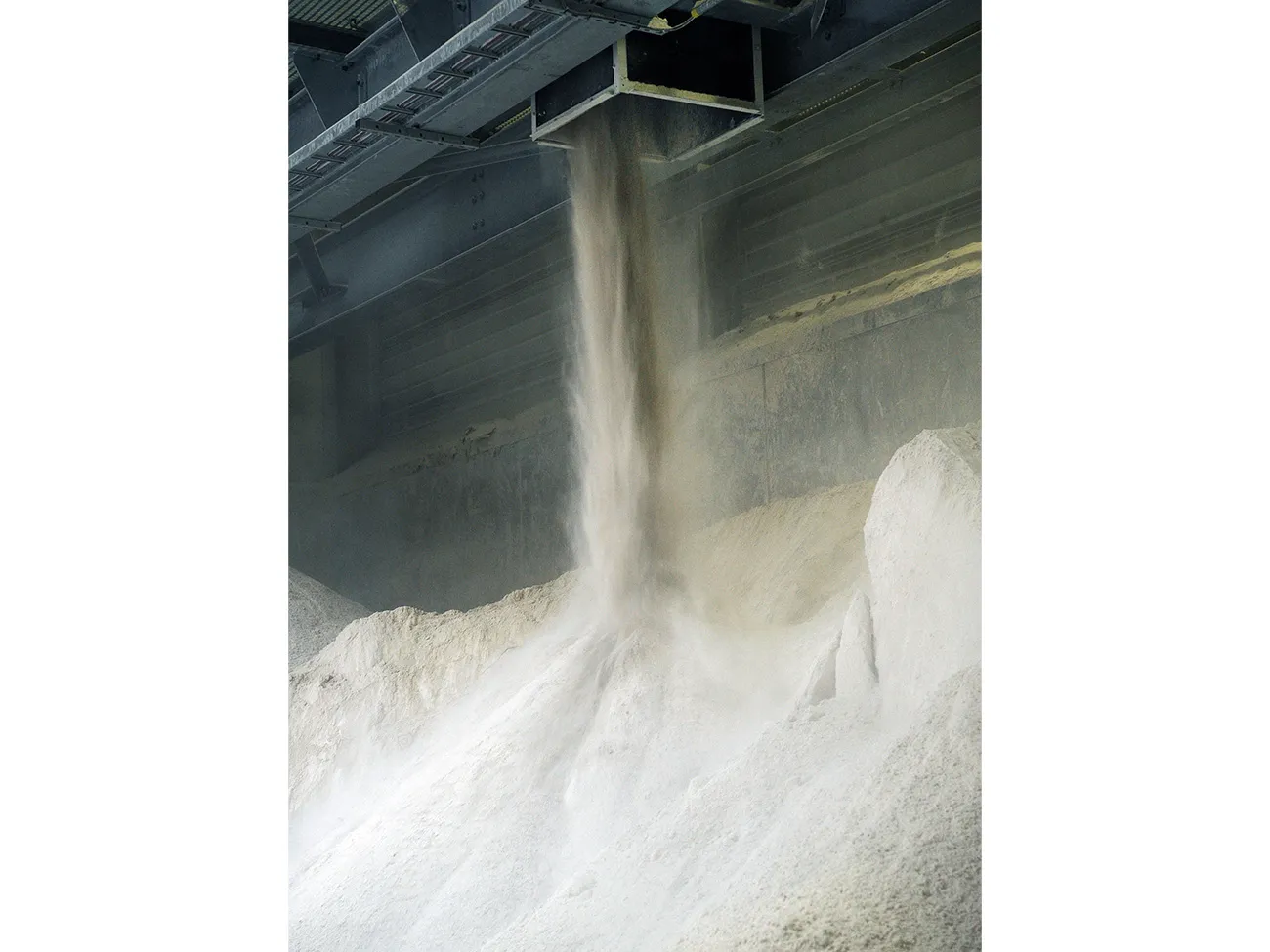
High: plasterboard made from plasterboard
New West Gypsum Recycling België is the first company in the world to produce recycled gypsum granules measuring 1.6 to 4 mm, compared with the industry average of 14 mm. This means the company can now meet plasterboard manufacturers’ requirements perfectly. And did you know that plasterboard can be recycled 100% time and again, without any loss of quality?
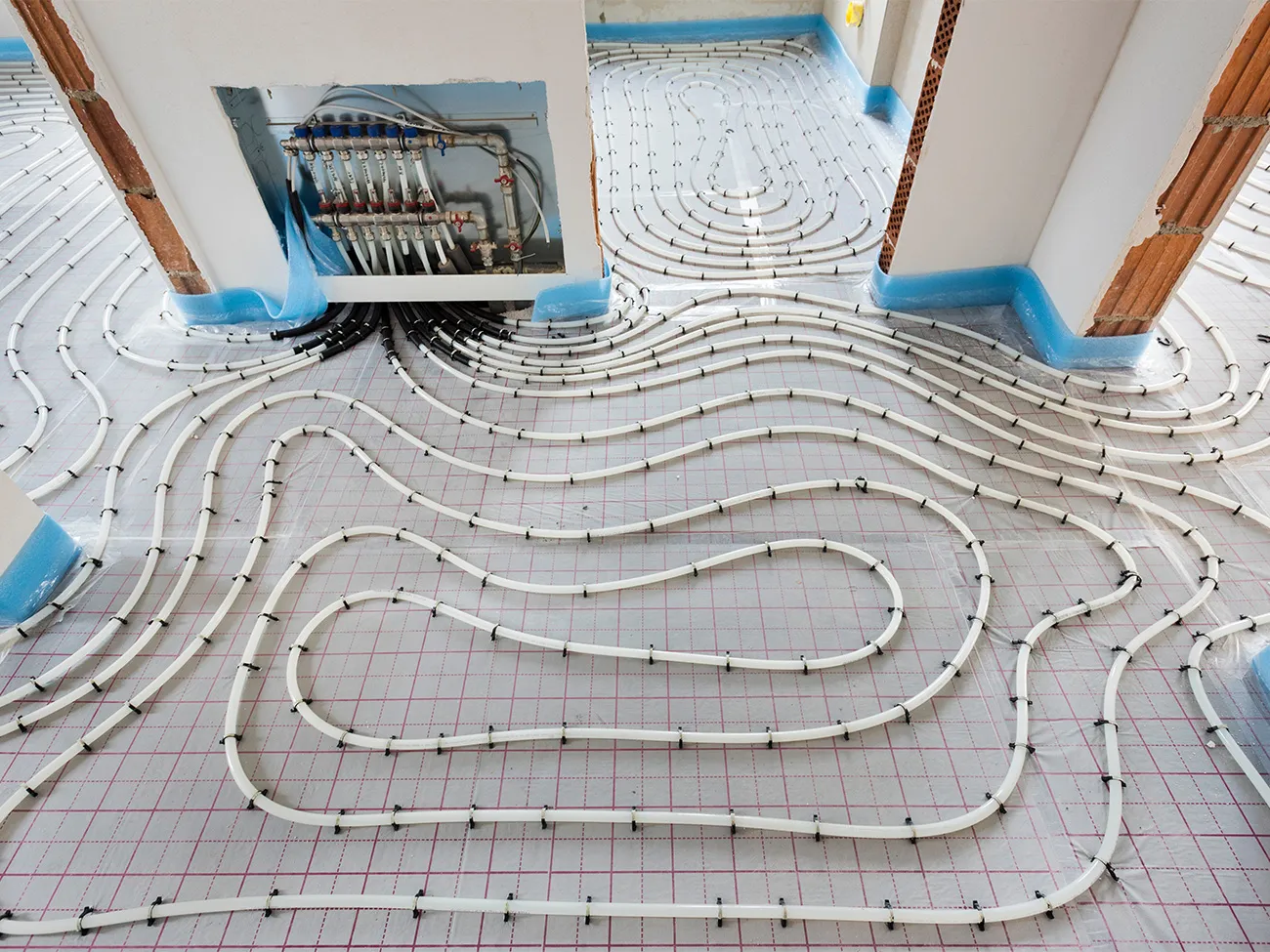
Low: plastic underfloor heating pipes
Some products contain recyclable materials but still cannot be recycled. Underfloor heating pipes are one example. They consist of several layers of plastic that cannot be separated, meaning these recyclable materials go to waste.
Question about this story? Ask your question
Keep following this
Get an email when a new story is published. No account needed.
- ThemeCircular business under changing regulations
- SubjectNews







