












The highs and lows at every link in the circular economy
Recycling is central to a circular economy, ensuring that products and their components are always put to useful use.
This is only possible if we take a considered approach at different stages in a product’s life cycle. Belgium has plenty of excellent examples of circular practices: product developers who focus on ecodesign, companies that make products from recycled materials, and initiatives that encourage the separate collection of different waste streams. But for every good example, there are plenty of poor ones. Billions of new products that cannot be recycled, contain no separately collected materials or are not collected separately still come onto the market worldwide every year. This section highlights some impressive achievements and challenges at every link in the circular economy, in other words, the highs and lows.

High in use: reusing old electrical equipment
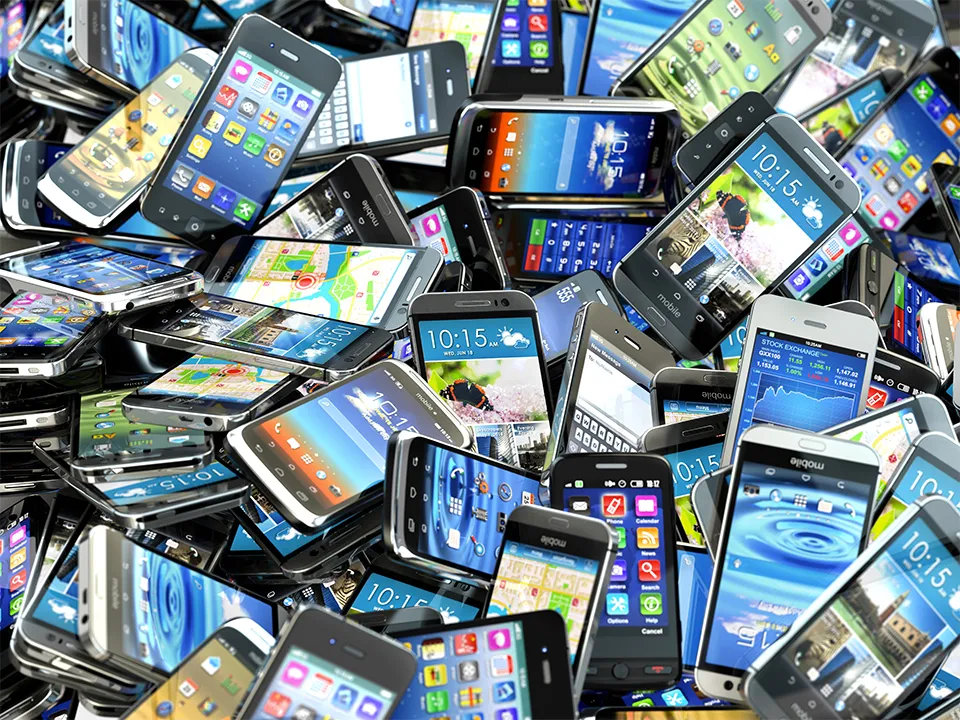
Old computers, laptops, mobile phones and other electrical equipment can be recycled. In some cases, they can also still be reused. Companies such as Out of Use, for example, first assess whether all the materials they receive can be reused before considering recycling.
Low in production: plastic shopping bags
From Rwanda to Belgium, single-use plastic bags are increasingly being banned. In most cases, these are very thin, non-biodegradable bags designed for a specific use, even though reusable alternatives are also available for other types of bag.
Question about this story? Ask your question
Keep following this
Get an email when a new story is published. No account needed.
- ThemeCircular business under changing regulations
- SubjectNews







