












The highs and lows at every link in the circular economy
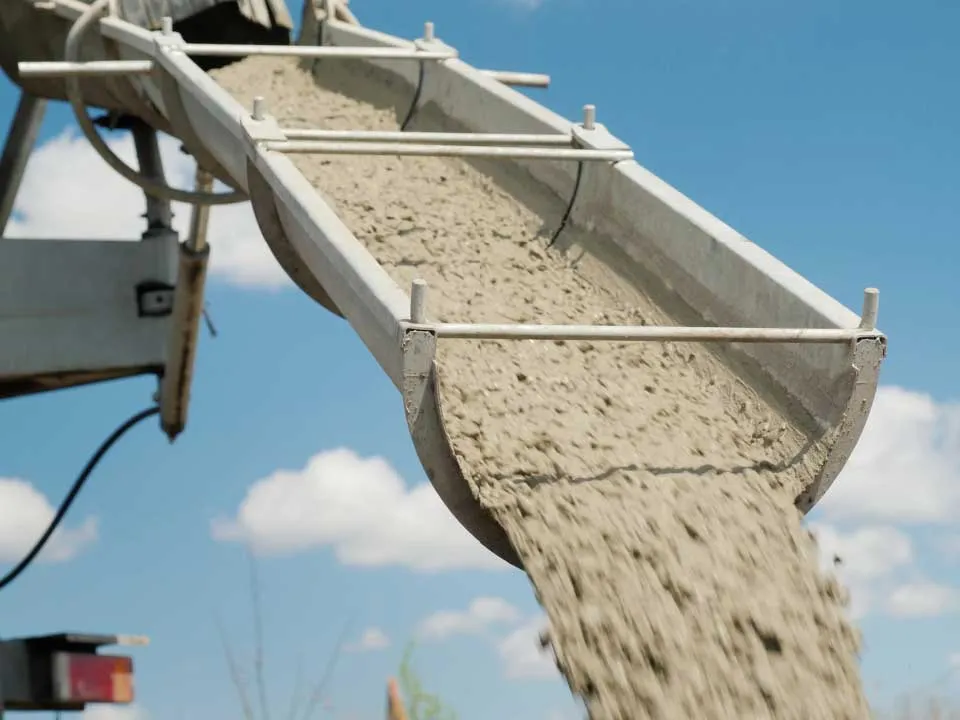
Recycling is central to a circular economy, ensuring that products and their components are always put to useful use.
This is only possible if we take a considered approach at different stages in a product’s life cycle. Belgium has plenty of leading examples of circular practices: product developers who focus on ecodesign, companies that make products using recycled materials, and initiatives that promote the separate collection of different types of waste … But alongside every good example, there are plenty of failures. Billions of new products that cannot be recycled, were not made using separately collected materials or are not separately collected still enter the market worldwide every year … This column highlights a number of outstanding achievements and challenges at every link in the circular economy, in other words, the highs and lows.
High: co-processing
Several companies turn non-recyclable waste into Solid Recovered Fuels (SRF). The waste is put to 100% useful use. On the one hand, combustion generates heat; on the other, the ash left behind after combustion is used as a raw material for cement or lime.
Low: cheap processing
Belgium offers plenty of ways to process waste properly and efficiently. But this comes at a price. With a lack of enforcement to detect wrongdoing, some companies slip through the net and process waste improperly.
Question about this story? Ask your question
Keep following this
Get an email when a new story is published. No account needed.
- ThemeCircular business under changing regulations
- SubjectNews







