












The highs and lows at every link in the circular economy
Recycling is central to a circular economy, ensuring that products and their components are always put to good use. This is only possible if care is taken at different stages in a product’s life cycle. Belgium has many excellent examples of circular practices: product developers who take ecodesign into account, companies that make products from recycled materials, and initiatives that promote the separate collection of different types of waste. But for every good example, there are plenty of poor ones. Every year, billions of tonnes of new products that cannot be recycled, contain no separately collected materials and are not collected separately still enter the global market. This section highlights a number of impressive achievements and challenges at every link in the circular economy, in other words, the highs and lows.
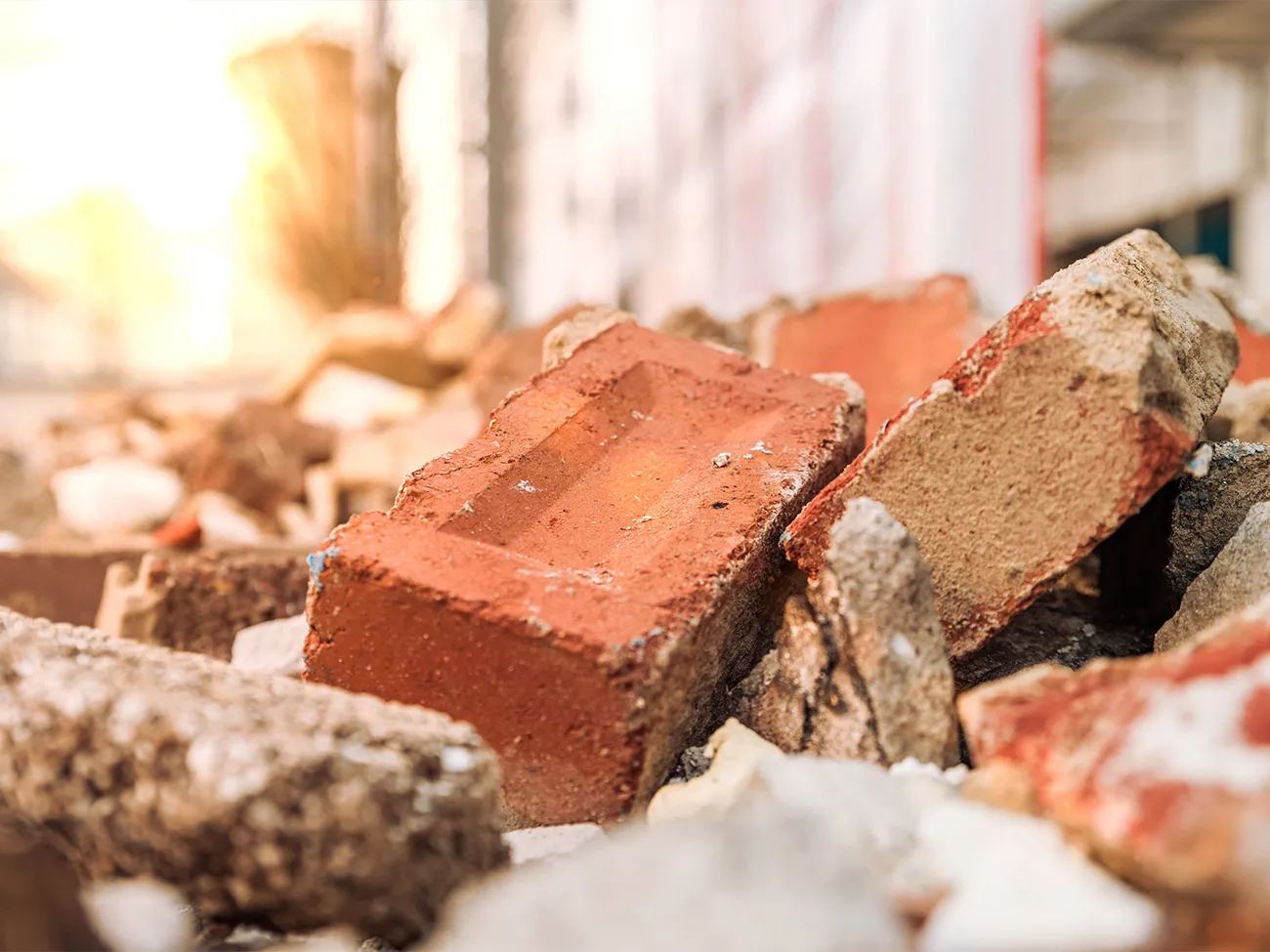
High: selective demolition
On major demolition and renovation projects, demolition waste is increasingly being kept separate and collected selectively. It is essential, however, that the dismantling is carried out thoroughly and efficiently to ensure the different fractions are of good quality.
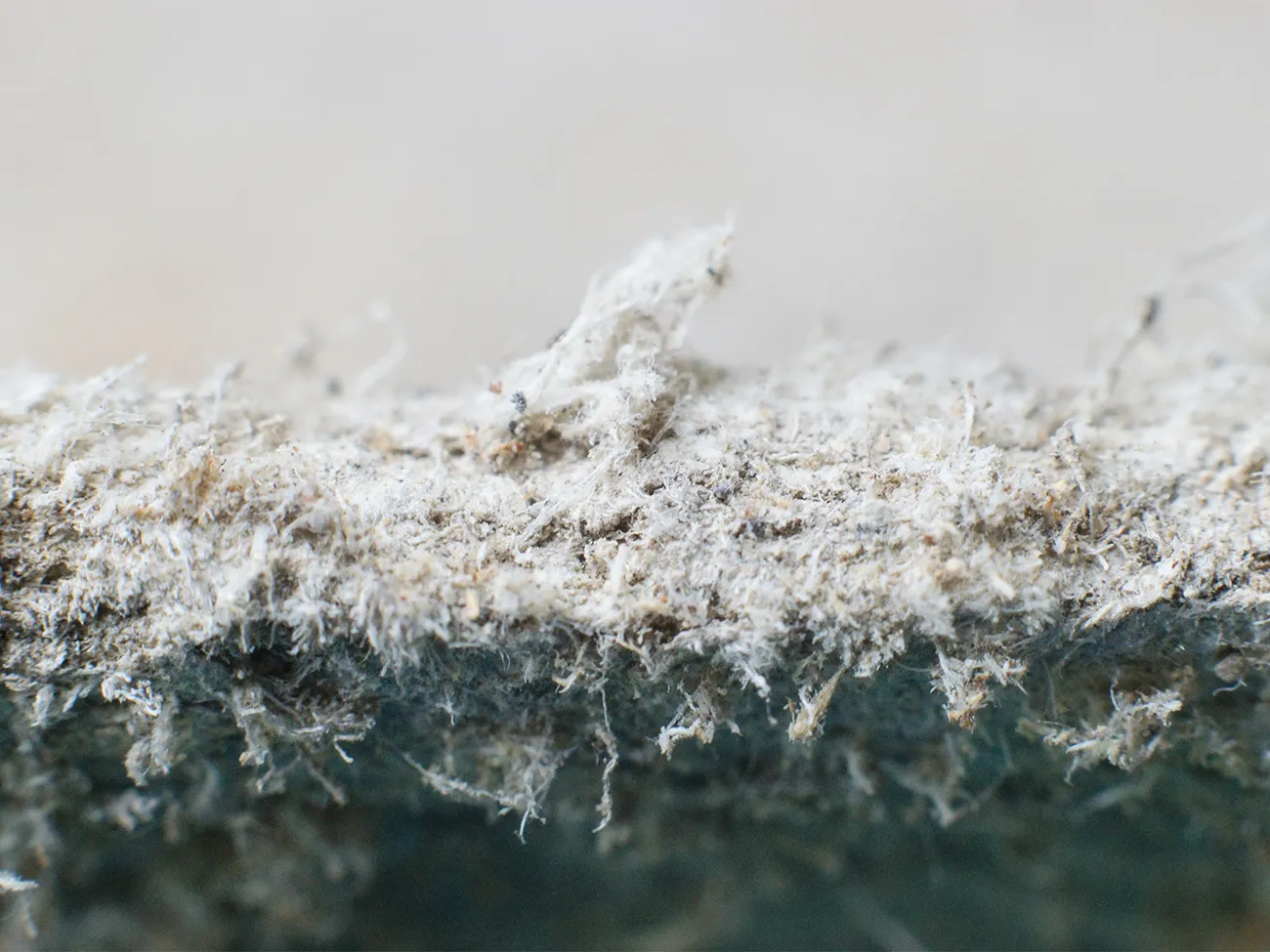
Low: asbestos solution
Asbestos was produced and used in a wide range of applications for many years. Today, due to the high cost of processing, this waste stream is still too often illegally mixed with other waste. Effective enforcement is more than necessary.
Question about this story? Ask your question
Keep following this
Get an email when a new story is published. No account needed.
- ThemeCircular business under changing regulations
- SubjectNews







