












The hidden value in steel scrap recycling
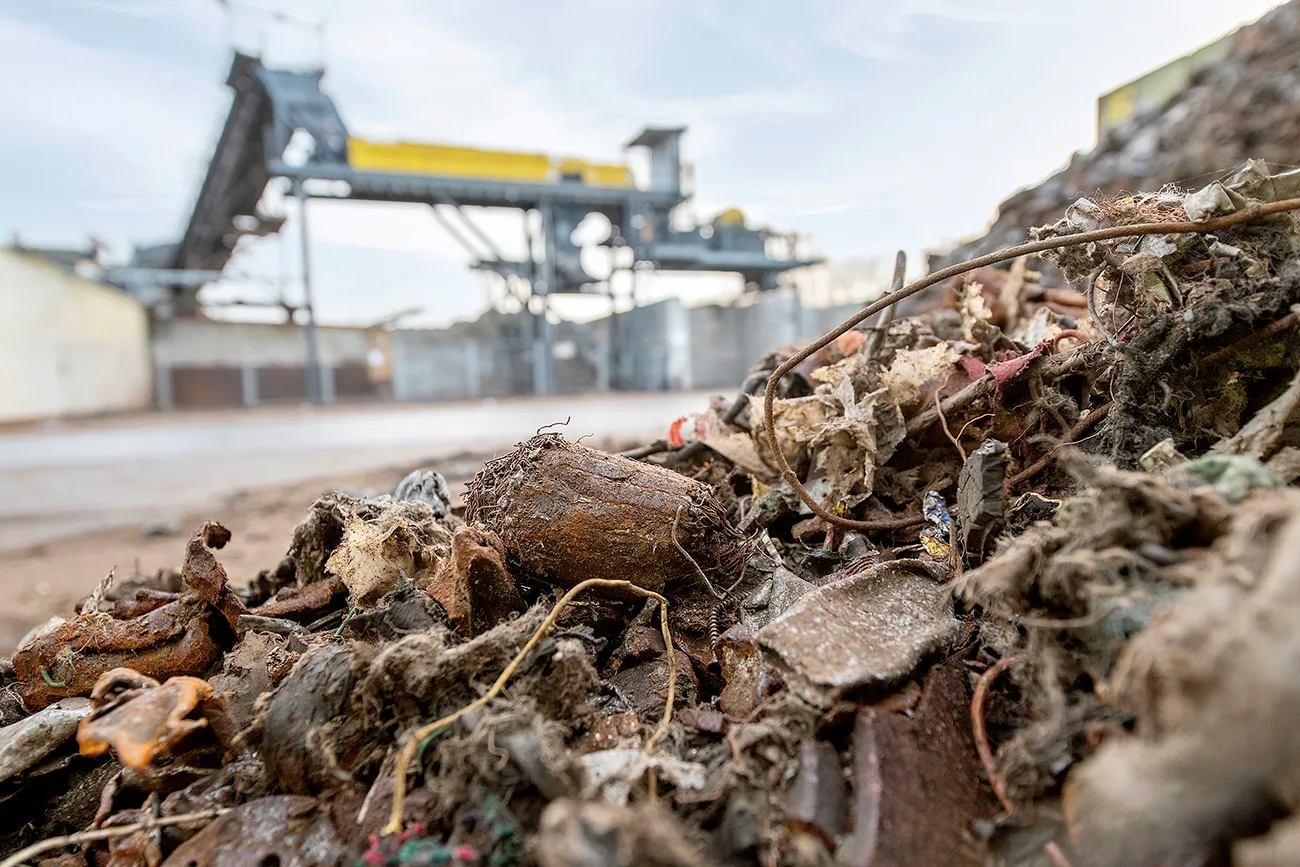
STEINERT sorting systems help produce clean, high-quality steel. It is important to tap into sources of ferrous scrap while avoiding potential penalties at steelworks and optimising the path towards a circular economy.
The steel recycling industry is one of the oldest and most important players in recycling. Electric arc furnaces are a key part of steel production, and the required purity of ferrous scrap remains a challenge for the efficient use of available resources.
Using steel scrap to produce new steel, rather than iron ore or coking coal, conserves natural resources. Using recycled steel saves scarce raw materials and energy. It also protects the environment through significantly lower CO2 emissions and less waste. For every tonne of steel scrap used in steel production instead of primary raw materials, 1.67 tonnes less ore and 0.5 tonnes less energy resources (coal, coke and heavy fuel oil) need to be extracted, transported over long distances and consumed.
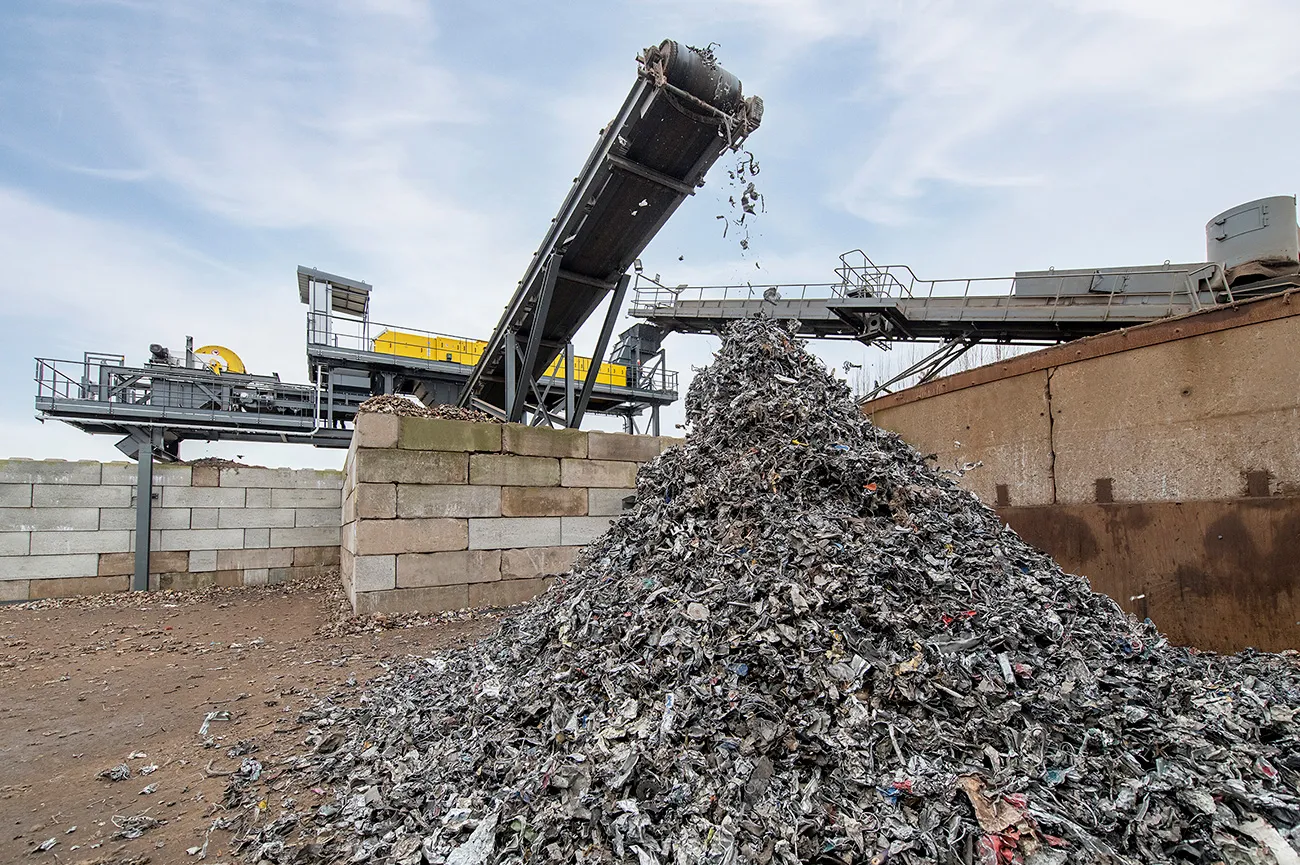
For these reasons, we now also talk about “green steel”. However, to produce recycled raw materials for the processing industry, the materials must first be sorted.
Typical applications:
+ Recovery and separation of ferrous scrap from shredder residues
+ Cleaning of light scrap (E1/3)
+ Recovery and upgrading of ferrous products from e-scrap and lighter mixed scrap
Question about this story? Ask your question
Keep following this
Get an email when a new story is published. No account needed.
- ThemeRecovering metals and creating value
- SubjectNews







