












The circular economy must now move up a gear
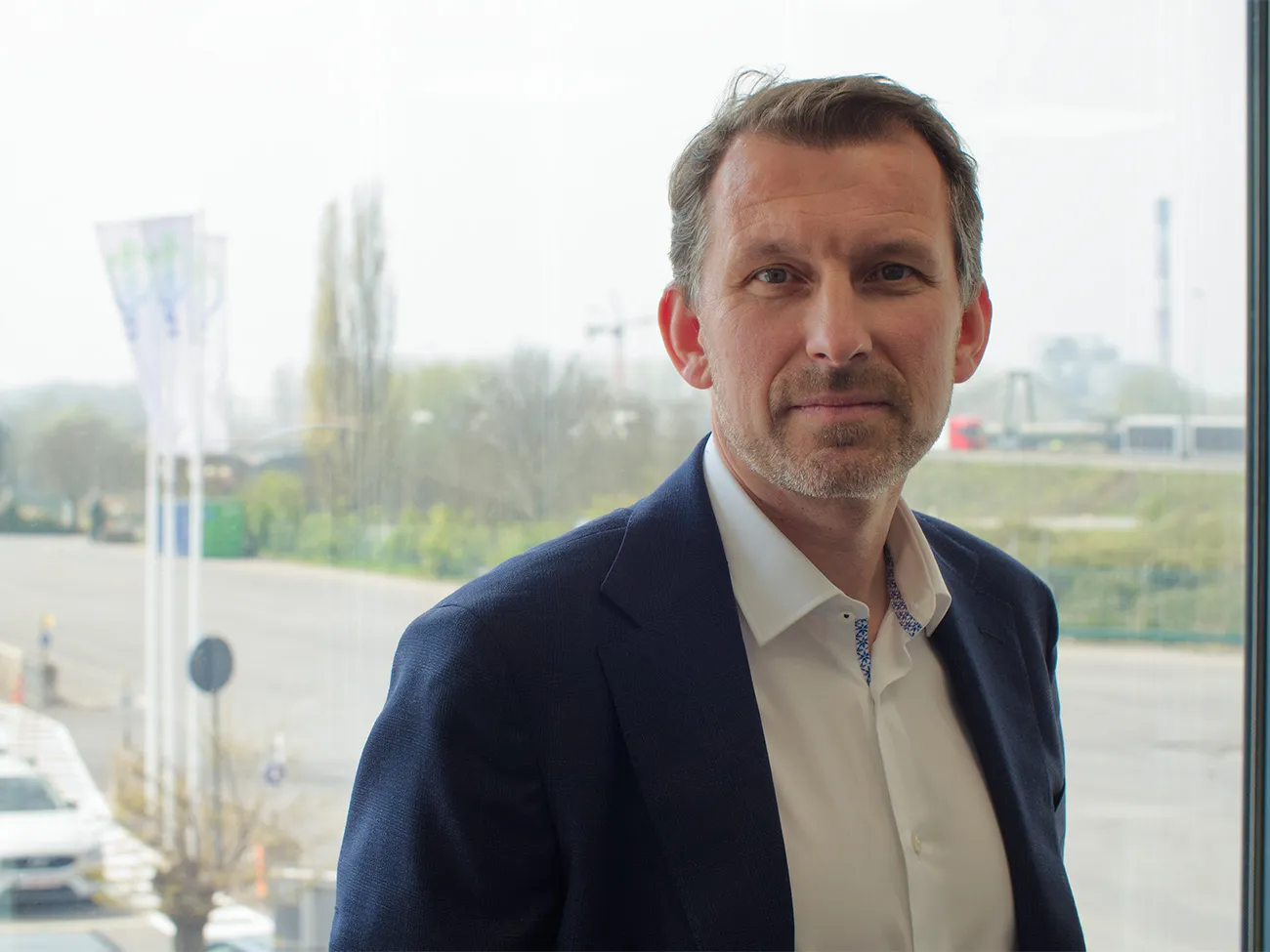
Take our foot off the brake, change up and accelerate. Perhaps even change tack to slow climate change, which suddenly felt very close last month.
It is no coincidence that I draw on so many metaphors and terms from the automotive world. As a ‘newcomer’ to the sector, after twenty years in the automotive industry, I have been pleasantly surprised by the dynamism of the waste processing industry. Above all, I feel a sense of responsibility, because together we can make a difference in the sector and be part of the solutions. We just need to move up a gear.
2021 has been a summer of extreme weather. For a long time, natural disasters seemed like something you saw on television: realities on other continents or the plot of a thriller. But with flooding in Belgium and neighbouring countries, and wildfires in southern Europe, it has become clear more than once that the European Green Deal is urgent. The time to tackle the climate emergency is almost up.
The situation is now clear. More than a quick prayer is needed to limit global warming to 2°C. The global climate plans agreed under the Paris Agreement are expected to contribute no more than 15% towards this target reduction. The circular economy can contribute the remaining 85%. If governments, industry and other key players lead the way in scaling up current circularity, which stands at just 8.6%, to 17% by 2032, we can close the gap and limit global warming to less than 2°C by 2050. The transition to a circular economy must happen quickly.
A sustainable transition is achievable through a combination of drastically reducing the use of primary raw materials, ecodesign, recycling and creating secondary raw materials from waste streams. Too often, and wrongly, recycling is relegated to the background when it comes to the circular economy. Recycling is more than the last resort for a product. Of course, products should first be repaired and reused, but eventually there always comes a time to give a material a second life.
Keeping materials in the loop is the missing link in achieving global climate ambitions. Isn’t it actually quite simple? Think of our products and materials as temporary stores of raw materials. This lets us kill two birds with one stone: limiting the extraction of scarce primary raw materials, while no longer burning those that have already been extracted, but giving them a second life. Recycling therefore plays a crucial role, not only in creating secondary raw materials, but also in producing high-quality alternatives to increasingly scarce materials. By not landfilling or incinerating waste, we keep valuable materials in the product value cycle. If we fail to do so, materials are lost and we generate unnecessary amounts of CO2.
Moving from linear processes to a circular economy requires behavioural change from each of us, from organisations and governments, and especially from purpose- and innovation-driven market leaders in the waste-to-product industry. Flanders wants to be, and can become, an international frontrunner in recycling and secondary materials. VLAREMA 8 is testament to this. But more is needed. I therefore extend a hand to fellow industry players, potential partners and the government to ensure that this ambitious legislation does not remain a dead letter.
Let’s make the most of our pole position to win this race against the clock. And above all, let’s take our foot off the brake and put it on the accelerator!
Question about this story? Ask your question
Keep following this
Get an email when a new story is published. No account needed.
- ThemeCircular business under changing regulations
- SubjectNews







